
Faking Out Reality: Is the truth just getting too weird for us to handle?
In case you hadn’t heard; we’re living in the Digital Age. Therefore we expect – nay, demand! – neat, clean, efficient answers. No more of those messy analogue imperfections. Ours is a world of instant updates, real-time data, and domestic appliances that answer our questions on demand. So when scientists, economists or politicians can’t explain something with crystal clarity – or worse, make it sound like guesswork – our BS detectors start sounding off like crazy.
That’s when the freaky questions start to swirl. Are we being told everything? Are ‘they’ hiding stuff? Are we even in the same reality we were born into?
That instinct, to spin stories from fuzzy-sounding facts, is ancient. We were making up myths to explain the stars, tides and moon back when even Keith Richards was a teenager. So, as a species, it’s not that we’re gullible; we just want our world to make some sort of sense to us.
The place to find some of these new ‘myths’ today is on social media. Let’s take a look at a few of the ideas floating around there lately; the theories they’re proposing vs the facts as we know them and the reasons why these myths keep pulling us into the comment sections.
CERN is opening portals

‘The Large Hadron Collider is messing with time and reality’
Where it comes from:
In 2012, CERN discovered the ‘God particle’, a.k.a. the Higgs boson. Hailed as one of the biggest breakthroughs in modern physics, it was also responsible for a huge new wave in online paranoia. The whispers began almost straight away: maybe the LHC didn’t just find a particle, maybe it cracked reality itself? Or it created a black hole. Or it’s caused the Mandela Effect by flipping us into an alternate timeline. We all died in 2012, and now we’re in the afterglow!
Why it resonates:
CERN is massive, nearly 30km of steel and superconductors, it’s filled with freaky machines and magnets – and it’s buried underground too! For secrecy? Or… safety?
So what are they doing in there? Colliding protons at near light speed of course!
Why on earth are they doing that? They’re searching for ‘missing matter’, ‘invisible matter’ and ‘quantum fields’ naturally.
Huh? This is quite possibly the ultimate impenetrable scientific project currently out there. Absolutely nothing about it makes sense to lay people like us. So, even when we hear truthful answers it sounds like the scientists are lying to us – or at least, obfuscating. And when official science explanations feel distant, complex or aloof, we turn to explanations that are equally obscure – yet feel bizarre enough to be true. Why not? They can’t be any weirder than the reality!
Where it leaves us:
CERN may not be potent enough to crack the fabric of reality. But it has certainly become a strong symbol of how poorly explained science can generate all-powerful myths.
The Mandela Effect
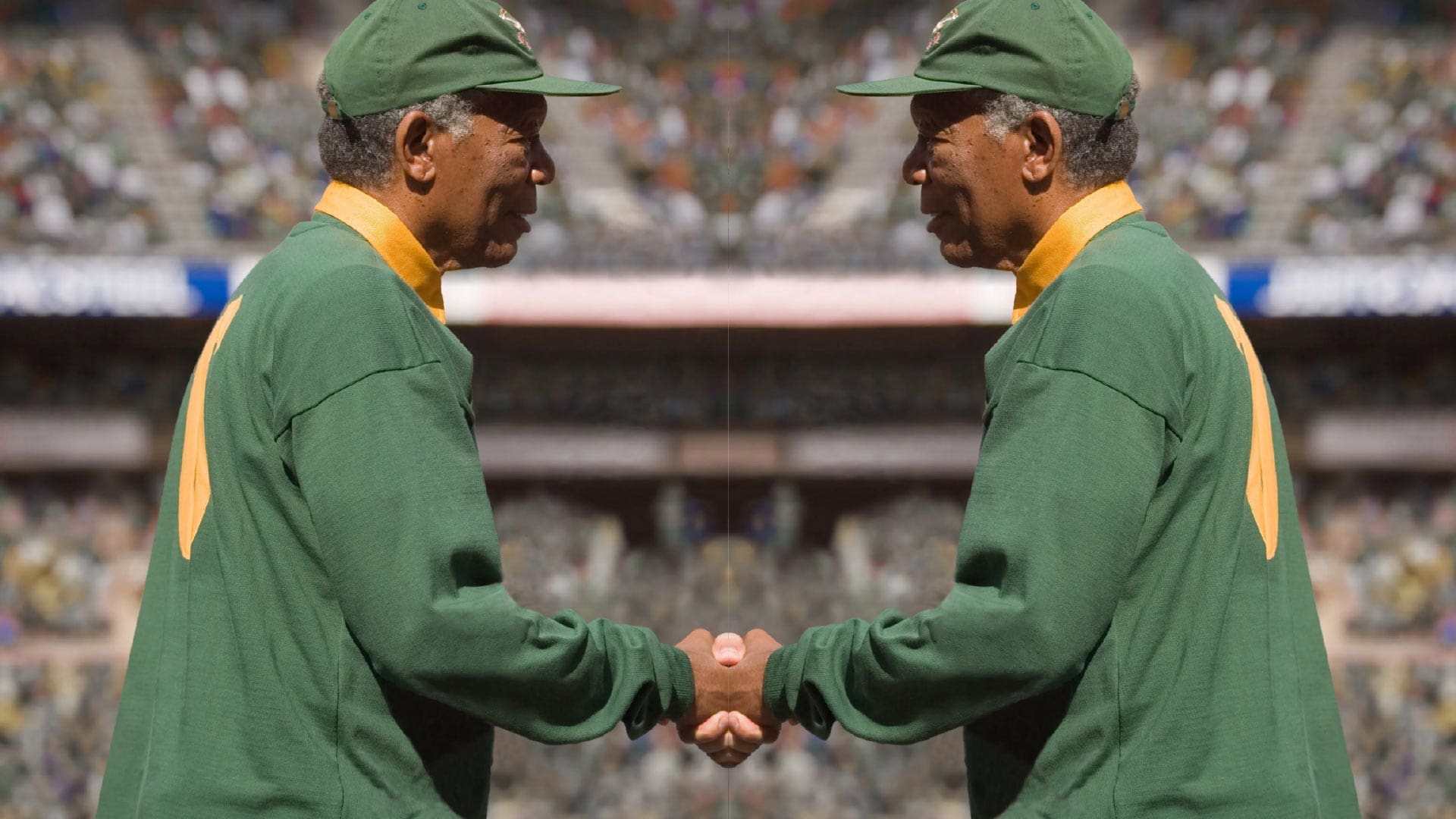
‘We’ve slipped timelines. That’s why the past feels off.’
Where it comes from:
The Monopoly Man used to have a monocle; Curious George once had a tail; Pikachu has a black tip on his and Darth Vader said; ‘Luke, I am your father’.
No they didn’t! All are cases of the Mandela Effect, a term coined by paranormal researcher Fiona Broome who was sure Nelson Mandela had died in prison in the 80s – even though he was released in 1990 and actually died in 2013. One woman’s delusion? Should’ve been, but it turned out she wasn’t alone. Thus the ‘Mandela Effect’ sprung up to become the catch-all description for the ‘deja vu’ of mismemory.
Why it resonates:
If you remember something clearly, it feels real – even if you are remembering it wrong. The Monopoly Man has never worn a monocle, check it out, but Mr. Peanut and Scrooge McDuck do have eyewear. So we have access to a mental association of old timey animation characters (1936/1916/1947 respectively), top hats, wealth and monocles. Plus, if a bunch of people also share that same mismemory, it shakes your sense of certainty. Cognitive bias + group reinforcement = Pop Culture distortion; in this case, the Mandela Effect.
Where it leaves us:
Somehow the conspiracy theorists have tied Curious George’s non-tail to the ‘fact’ that we obviously jumped timeline rails at some point between now and the murky 1940s. We ‘remember’ these true facts and the dastardly Time Lords who secretly moved us all into a new reality, slipped up by not wiping our brains clean of old cartoon memories while they were at it.
Yeah, right. More Kool-Aid please.
Weather manipulation
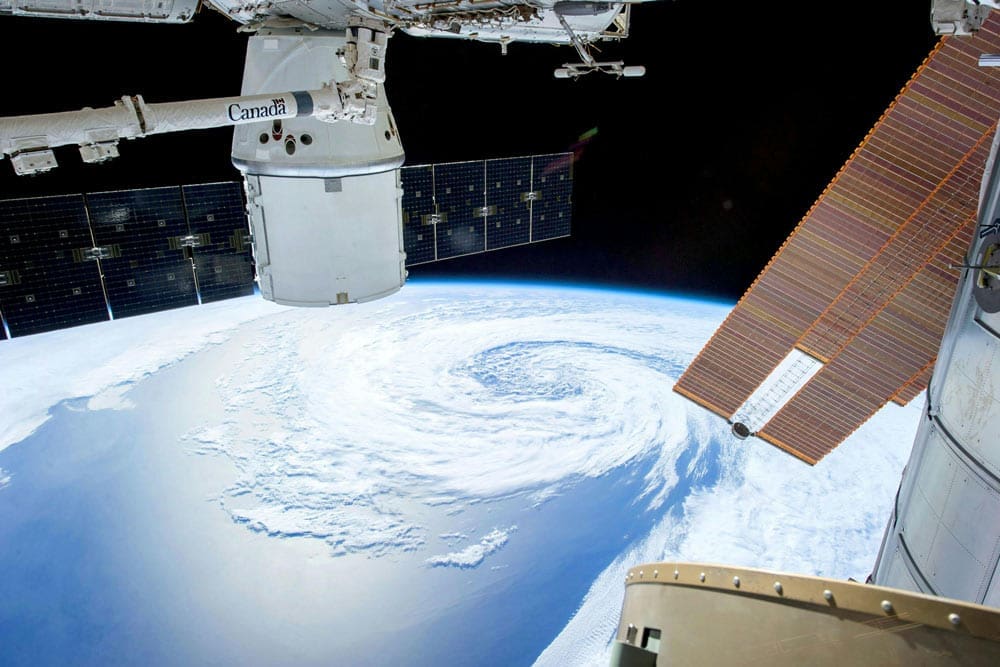
‘These storms aren’t natural – someone’s pulling the strings!’
Where it comes from:
From cyclones that hit one after another to freak snow in spring and dead-quiet storm seasons, people have always suspected someone, somewhere, is pulling strings behind the skies. For decades, cloud seeding, fog dispersal, and frost fighting have given us real-world examples of humans fiddling with the weather – usually for agricultural or aviation reasons. So, if we can already manipulate clouds, who’s to say we’re not instigating earthquakes or steering cyclones too?
Why it resonates:
Because some of it’s true. Project Stormfury tried to weaken hurricanes in the 1960s. China used weather modification to keep the 2008 Olympics smog-free. Winemakers here often use cloud seeding silver iodide spray, hail cannons and/or wind machines. So, once you know the weather can be tweaked, it’s a short slide to believing it’s being weaponised. And when climate disasters pile up – bushfires, floods, droughts – it’s easier to blame invisible actors than accept the alternative: random chaos or slow-burn planetary feedback loops.
Where it leaves us:
There’s no credible evidence that earthquakes or large-scale weather events are being artificially triggered. But the idea persists, not because it’s likely – but because it’s comforting! Believing some human is in control, even maliciously, is more tolerable than believing no one is. So whether it’s the government or a cabal of evil vineyard billionaires with a secret lightning gun, the ‘weather conspiracy’ survives because it gives us an actual villain to hiss.
Tartaria and the Mud Flood
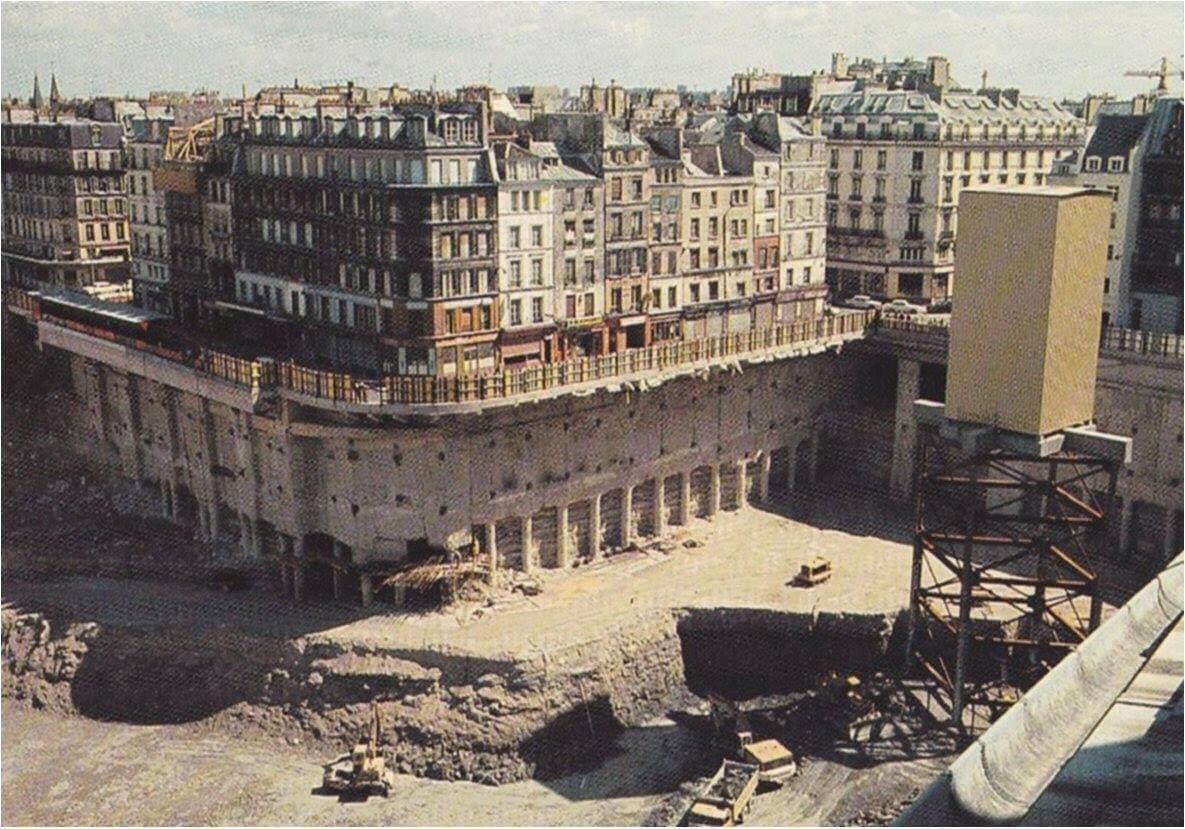
‘Once there was a lost global civilisation – and we covered it up.’
Where it comes from:
‘Tartaria’ was the name 19th-century Western Europeans slapped onto any land east of Moscow – mostly because, aside from the Tatar people, they had no idea what else was out there. Nor did they particularly care. It appeared on some maps of the time as a kind of placeholder, dismissing the vast unknowns of Siberia as irrelevant.
Meanwhile, unrelated questions were being asked: why do the foundations of many grand old buildings go so much deeper than modern ones? A theory emerged – a mysterious, worldwide ‘mud flood’ must have occurred, partially burying these structures. Yet somehow, history forgot to mention it.
Over time, these two ideas merged. The result: a grand Tartaric Empire, destroyed by a deliberate cataclysm, its existence wiped from the record. Who caused the flood? Why the cover-up? No one can say. But the theory persists.
Why it resonates:
The past can feel alien – especially in places with layers of colonisation, imported architecture, or abrupt cultural shifts. And when official history is full of gaps, silences, and contradictions (for many reasons), there’s fertile ground for these narratives to grow.
Where it leaves us:
We may not be hiding Tartaria – but we are reckoning with how history is told. Questioning the past is healthy, as long as we stay open to the messy, human truth behind it.
So What Does It All Mean?
Not every mystery is a conspiracy. Sometimes, the truth is just complicated – or it doesn’t make any sense to outsiders. That’s why we invent myths to explain them away. But that’s nothing new; we’ve done it since the dawn of time. That doesn’t mean you have to buy into them – unless it sounds like fun!