
The Instax Mini Evo Cinema Perfectly Captures Your 15 Seconds of Fame
If you have spent any time lately watching a teenager try to figure out how a cassette tape works, you will know we are living in a strange timeline. The same generation that could navigate a smartphone before they could walk is now obsessed with the clunky, imperfect technology of their parents’ youth. We are seeing a massive resurgence in Walkmans, vinyl records, and good old film cameras. It seems that in a world of AI-generated fakery, the kids are wanting things they can unplug from the matrix. Fujifilm has clearly been paying attention to this shift because they have just released the instax Mini Evo Cinema, and it is designed to give you all that retro goodness without the headache of actually having to find a specialty film lab.
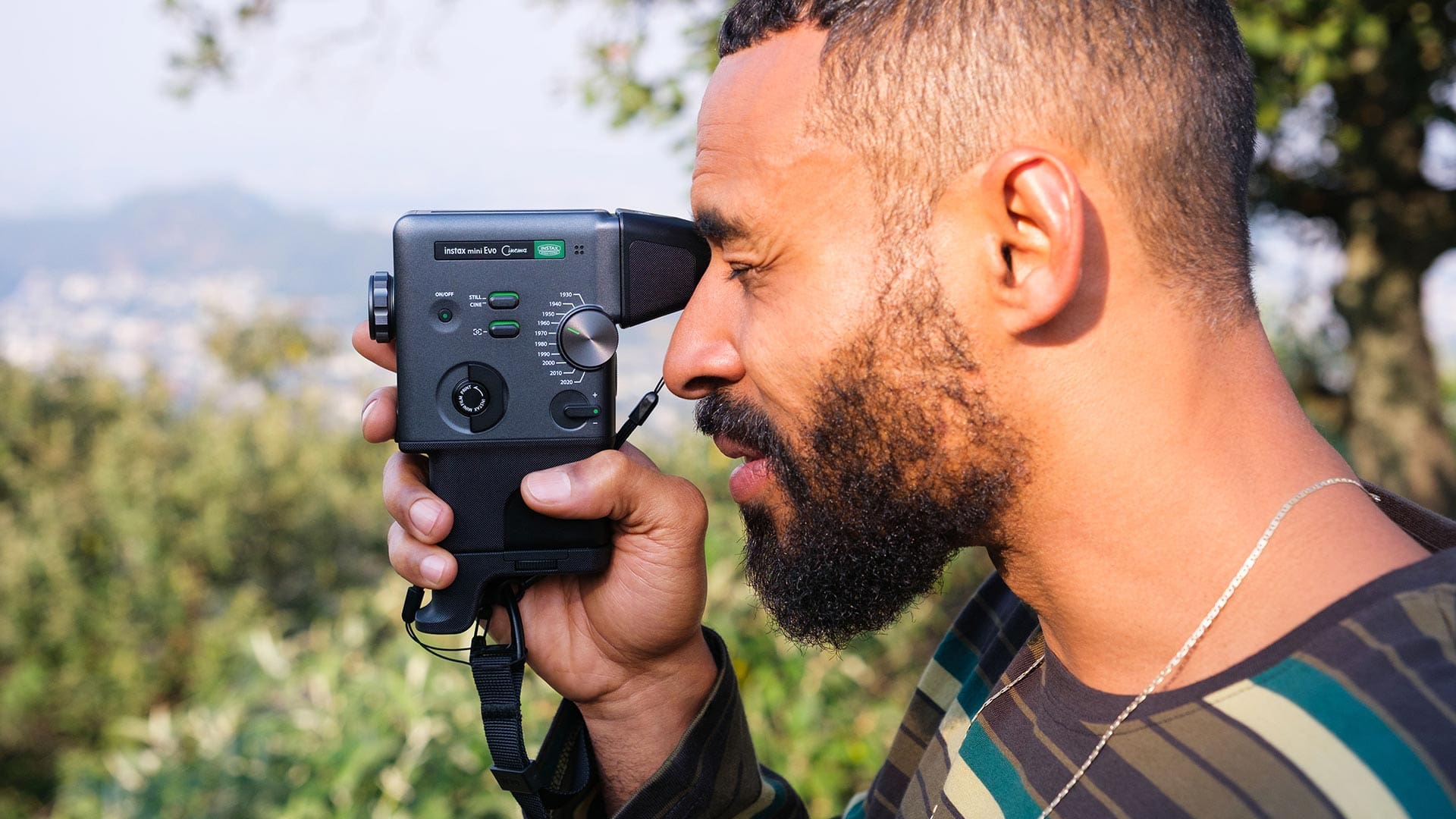
Priced at $699 NZD and available now at participating retailers, this is not just another plastic point and shoot. It is a hybrid device that sits in that sweet spot between nostalgia and modern convenience and still and video camera. While it looks like a vintage 8mm movie camera, complete with a vertical grip that feels surprisingly substantial in the hand, the guts of the thing are purely digital. It features a 1/5 inch CMOS sensor with a primary colour filter and a bright f/2.0 lens. With a 28mm focal length, which is the 35mm equivalent, it is wide enough to capture the vibe of a room but sharp enough to make sure you actually look like yourself. The shutter speed ranges from 1/4 to 1/8000 of a second, and the ISO scales automatically from 100 to 1600, meaning you can actually use it at a dimly lit bar without ending up with a black rectangle.

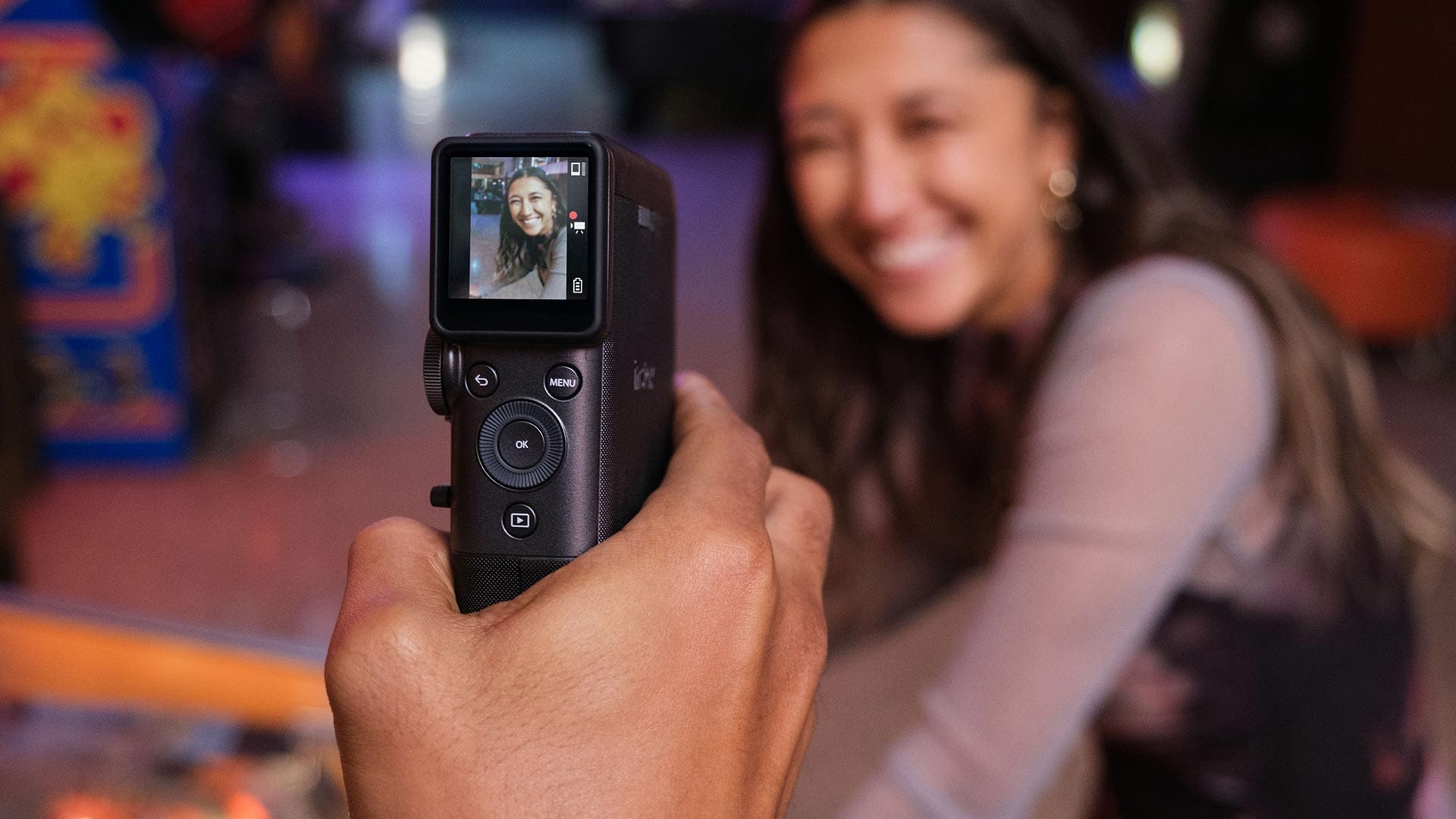
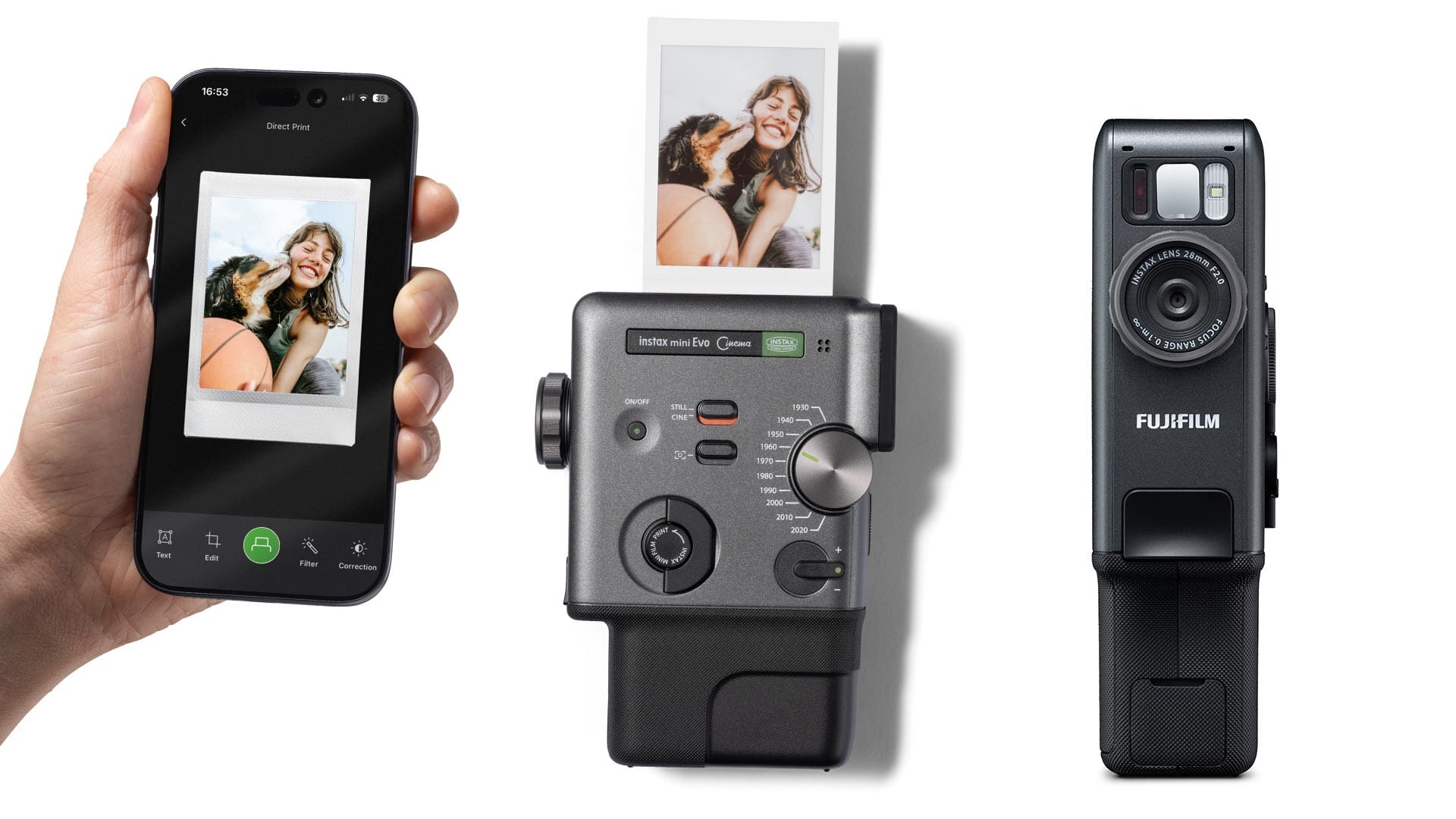
There is also the aptly names Eras Dial which allows you to cycle through ten different decade inspired visual styles ranging from the 1930s through to the 2020s. When you combine those with the degree control functions, which offer ten levels of intensity for each effect, you end up with one hundred unique creative expressions. It is basically like having a century of cinematography in your pocket. Unlike your standard instax, this one lets you shoot short form video clips up to 15 seconds long at a cinematic 24p frame rate. You can then pick the perfect frame, print it out, and the camera embeds a scannable QR code on the photo. When your friends scan it, the physical photo basically wakes up and plays the video. It is a clever way to bridge the gap between a tangible keepsake and the digital world we all still live in.
There is a certain irony in seeing high-tech gadgets mimic the limitations of the past, but there is also a point to it. History shows that constraints often lead to better creativity. Sir Peter Jackson did not start his career with a massive budget and a server farm of CGI artists. He got his start in Pukerua Bay with a Super 8mm camera that his parents gave him. He spent his childhood digging trenches in the garden and figuring out how to make home movies look like Hollywood epics through sheer trial and error. That tactile experience of actually making something with your hands is what this camera is trying to replicate. It forces you to slow down because you only have ten frames in a pack, so you have to make them count.
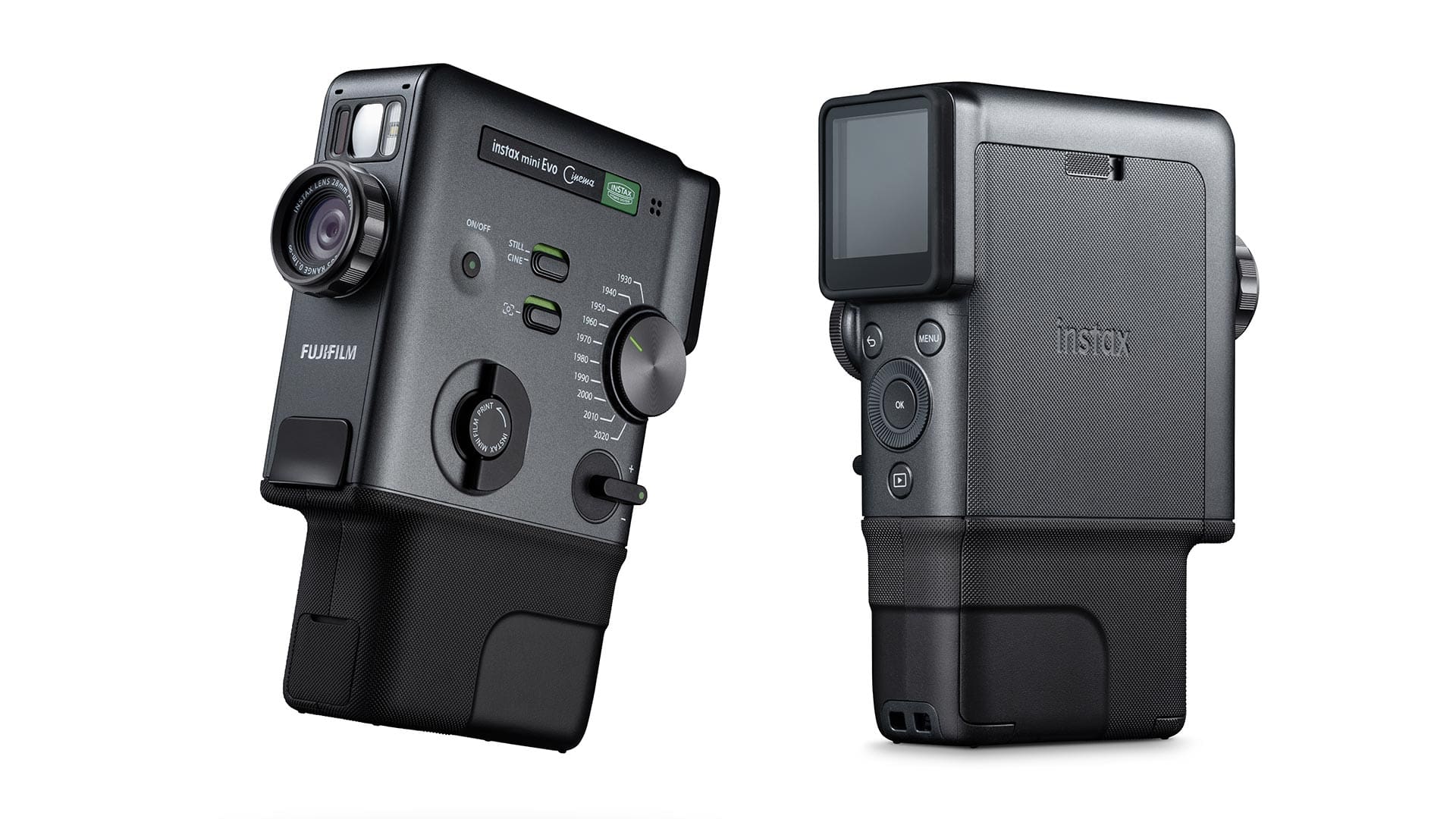
The print quality is surprisingly crisp at 318 dpi, using an internal RGB gradation of 256 colors to make sure those retro filters actually look intentional rather than just blurry. There is even a physical print lever that you have to pull to start the process, giving you that mechanical feedback that a touchscreen just cannot match. In an age where we are drowning in disposable digital content, the instax Mini Evo Cinema feels like an antidote. It is a tool for people who want to create with intention.