Who Cares About Ballet
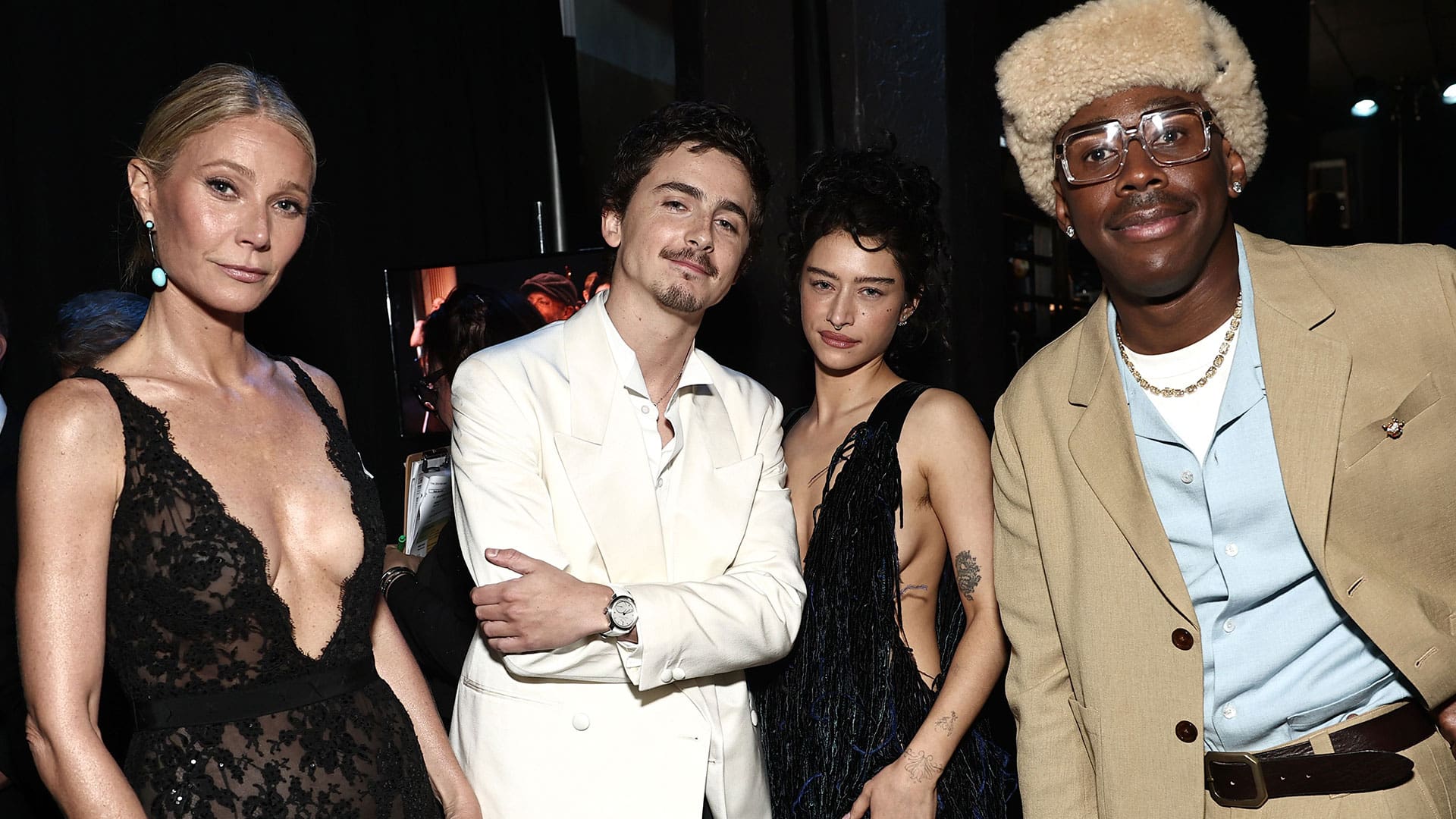
In a recent interview with Matthew McConaughey in a Variety & CNN Town Hall Timothée Chalamet talked about how the craft of movies is changing, and having to meet the audience where it is. One comment in particular kicked off some shirtiness at the Academy Awards with ballerina Misty Copeland who was in attendance rebucking his comments.
He suggested that he didn’t want to be part of an industry whose narrative was a dying one. If you have to beg people to prop up your product out of pity, is it really an industry you want to be a part of? The comparison came at the expense of ballet.
The Academy Awards itself seemed to revolve around his commentary as well with numerous jokes made at his expense. But I’d like to do what no one else could be bothered doing, by giving some more context around what our whipping boy actually said.
“I think I saw an article about a Netflix sort of production guideline, not for all movies, I don’t wanna speak disparagingly, but where they want their biggest action set pieces up front.” he tells McConaughey about how film is changing to suit new habits.
“The logic used to be you save your big action set piece for the end of a movie, and you save the fireworks for the end, but now they want something up front.”
“I also think there’s sort of a reverse thing going on too now. I don’t wanna speak for people that are here, that are younger than me, where people are desiring things that are more patient and that pull you in. I just saw another article that says, “Gen Z is a bigger movie-going audience than a millennial audience,” you know? I feel like a f*cking grandpa saying that.”
But point being, I think even like “Frankenstein,” which is like a hugely popular movie this year, I didn’t think that pacing was extraordinarily fast or anything, but it pulled people in, you know? But it does take you having to wave a flag of, hey, this is a serious movie or something.”
“Some people wanna be entertained and quickly. I’m really right in the middle, Matthew, ’cause I admire people and I’ve done it myself to go on a talk show and go, ‘Hey, we gotta keep movie theaters alive. You know, we gotta keep this genre alive.’ And another part of me feels like, if people wanna see ‘Barbie,’ or ‘Oppenheimer,’ they’re gonna go see it and go outta their way to be loud and proud about it. And I don’t wanna be working in ballet or opera, or, you know, things where it’s like, hey, keep this thing alive.”
“Even though it’s like, no one cares about this anymore. All respect to the ballet and opera people out there.”
“But, yeah, I just took shots for no reason.”
As someone who works in print, I’ve heard comments like this my entire career. Getting defensive doesn’t change your situation. You are merely burying your head waiting for someone to tuck a pink slip into your back pocket. Film is having to compete even harder in an attention economy where people are looking at their phones throughout the entire movie. They are changing to suit because saying “please watch movies so this industry doesn’t go extinct” doesn’t work in the long run. Some things don’t deserve charity. Especially not Hollywood. With the rise of AI many industries are now staring down the barrel of whether they need to beg for their continued existence or adapt. Ballet is a beautiful craft that is entirely shielded by generative AI, but its popularity still isn’t what it once was. I could put the boot in on the specifics if we wanted, it is indeed decreasing in popularity. According to The Conversation in America “half of the 150 ballet companies surveyed were operating in a deficit in the 2023 financial year.”
Australia wasn’t much better with attendance dropping 30% from 2010 to 2024. But this isn’t news and this isn’t helpful to anyone. The question is, how do we make our product one worth wanting, whether it’s a magazine, a small business, ballet, or a multi-million dollar movie with Timothée Chalamet at its head.
Be irresistible. Dune: Part Three releases 18 December 2026 and we can’t wait.