
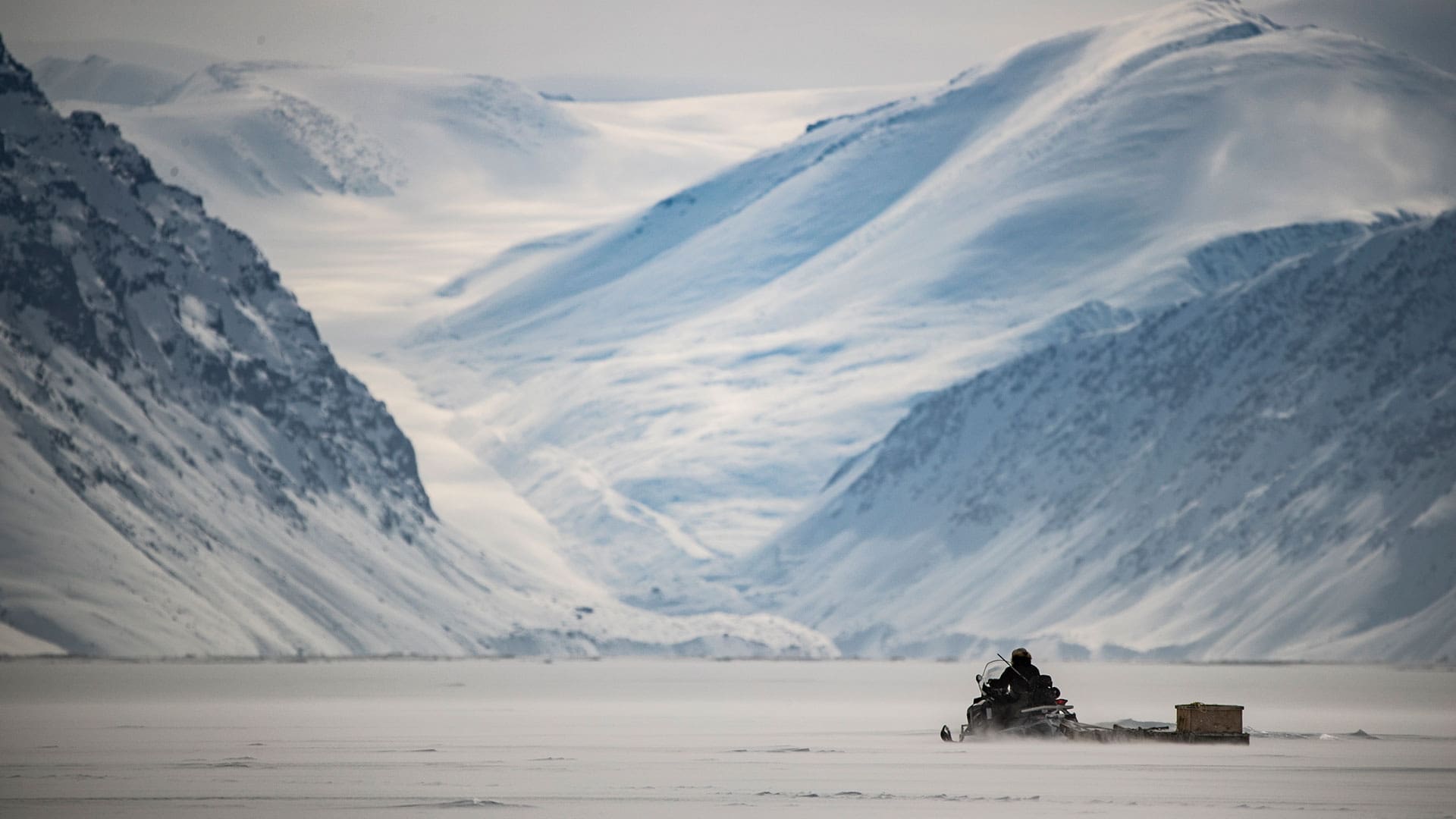
Chill Baby: The World’s Coldest Holiday Destinations
There’s been a historical heatwave in Australia, and it’s been a pretty hot and stifling summer here too. You could make the most of it, put on some togs and jandels, get an ice cream and go to the beach, or you could go to the other extreme and find somewhere really cold to go to or go even better and create your own frozen bucket list from our top 15 coldest places in the world.
You will note that Russia is on the list a few times. And understandably, it might not be the most en vogue travel destination in this day and age, but the cold doesn’t understand geopolitics; it is just what it is. So if you are finding the New Zealand summer just that bit oppressive, relax because some chilly relief is just a hop, skip and a 25-hour flight away.
1. Oymyakon
Sakha (Yakutia), Russia
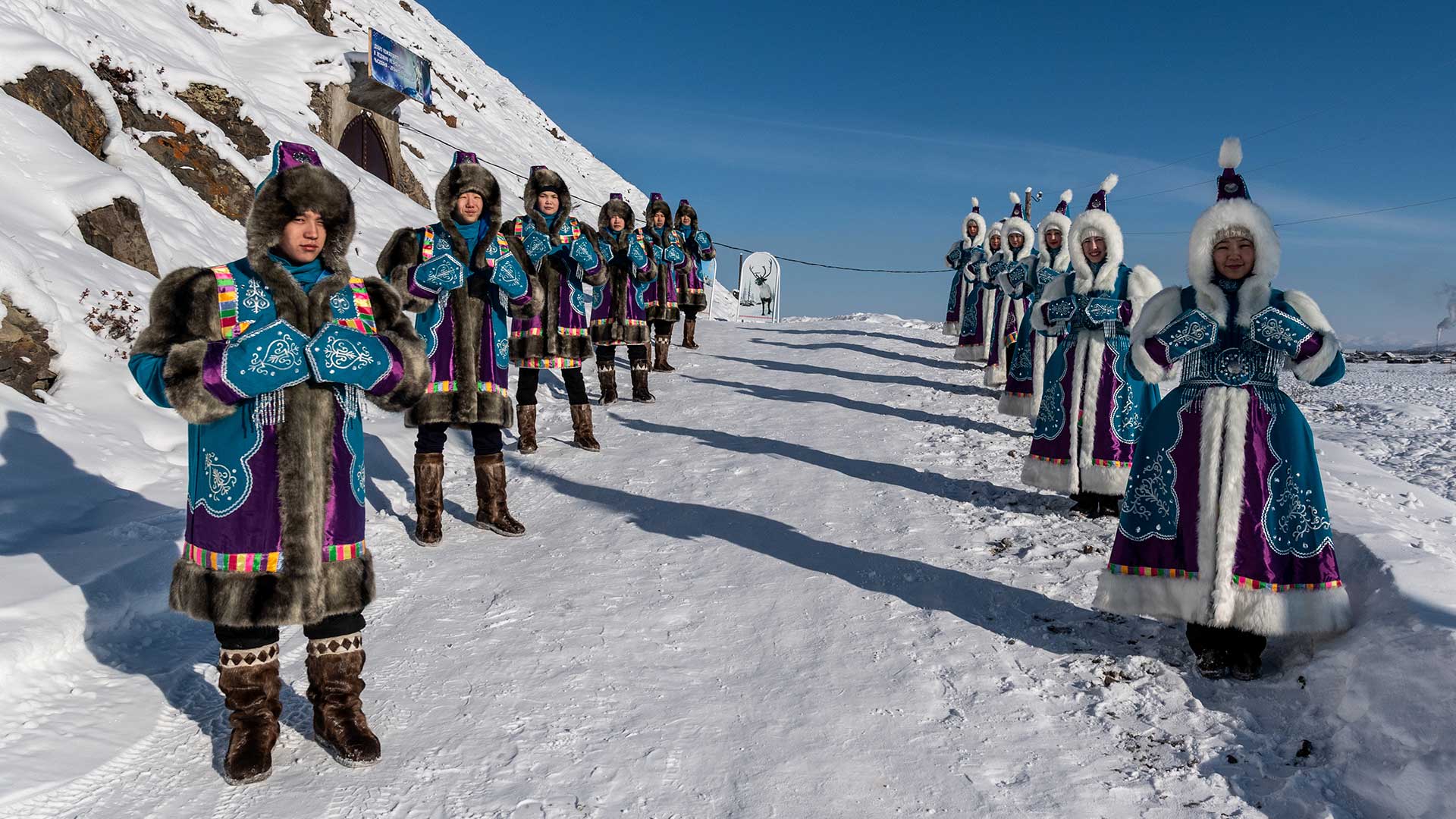
Oymyakon is one of the coldest permanently inhabited places on Earth. Mid-winter averages are brutal: January mean around –45°C, while July is comparatively mild with a mean around 14°C. Travel is usually via Yakutsk, then a long road journey; most visitors go with a driver/guide because weather and remoteness turn small problems into big ones quickly.
There isn’t a deep bench of “hotels” in the usual sense. Most stays are arranged as local guesthouses as part of a tour, or you base yourself in Yakutsk and travel out. In Yakutsk, AZIMUT Hotel Polar Star is one of the better-known options for a stable base. In town, the experience is the point: extreme-cold photos, short outdoor walks with careful exposure management, and local Sakha food that’s built for winter. Pack for face protection and keep electronics close to your body; cold-soaked gear fails fast, and condensation can be an issue when you re-enter heated rooms.
Quick Facts:
Oymyakon is officially recognized as the coldest permanently inhabited place on Earth, with winter temperatures that regularly plummet to −50°C (−58°F) and a record low of −71.2°C (−96.2°F) commemorated by a monument in the village centre.
The village’s name ironically translates to “water that doesn’t freeze,” a reference to a nearby natural thermal spring that allows reindeer herders to water their animals even in the middle of a brutal Siberian winter.
Daily life in Oymyakon involves extreme adaptations; car engines must be kept running 24/7 to prevent fuel from freezing, and residents often rely on a high-protein diet of frozen raw Arctic fish or horse liver because the ground is too frozen for crops or indoor plumbing.
2. Verkhoyansk
Sakha Republic, Russia
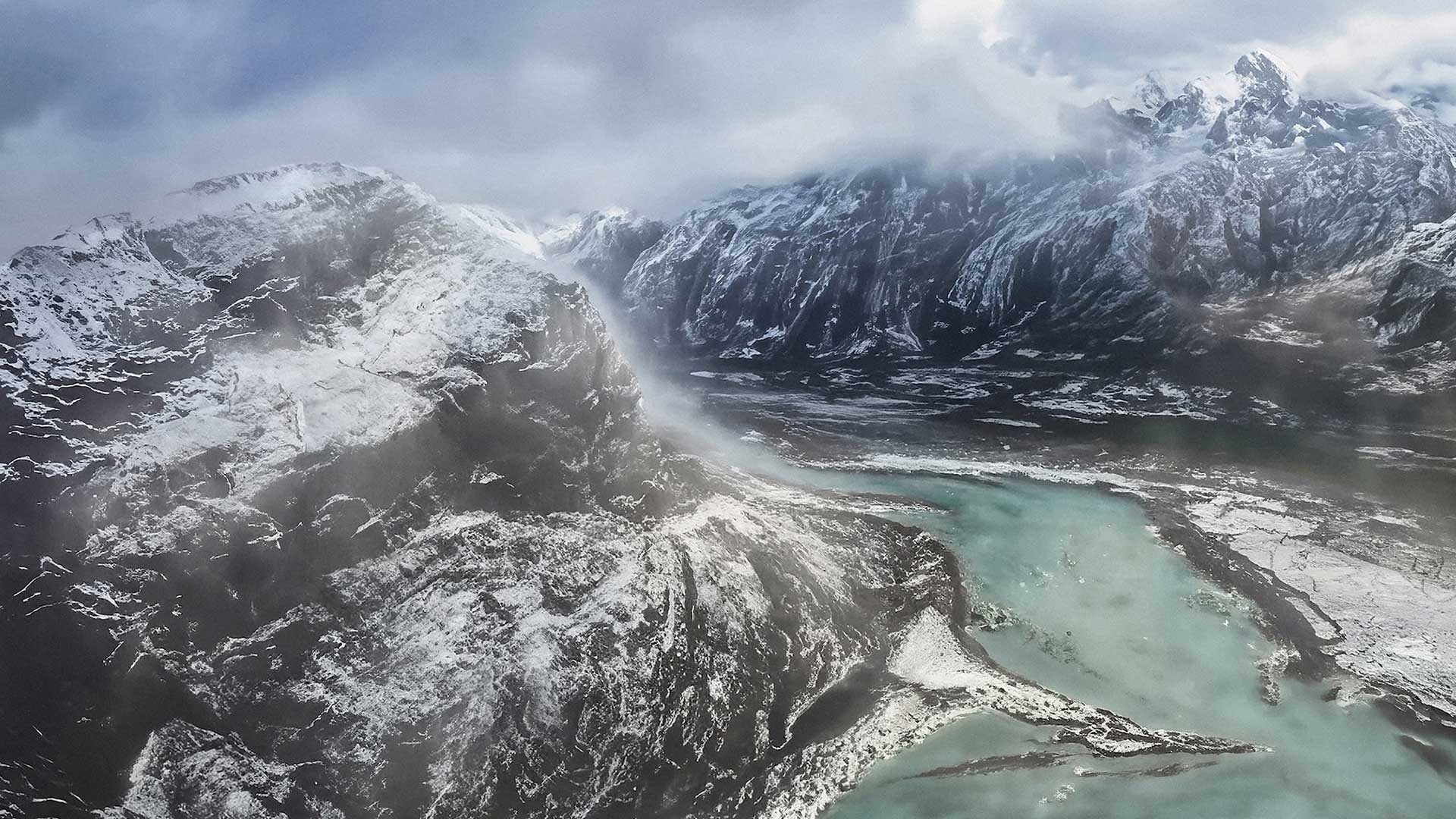
Verkhoyansk sits deep inland with a continental climate that swings hard between seasons. January’s mean temperature is about –45°C, and July’s mean is about 15°C. That “warm” summer number can trick people; nights still cool down, and weather changes quickly. Like Oymyakon, logistics are the main barrier—transport is limited, and most short-term visitors come with a planned itinerary rather than winging it.
Accommodation options are sparse and can change year to year, so trips are commonly packaged with transport and lodging handled together. What you do here is simple and very physical: brief outdoor excursions, river and taiga landscapes, and the novelty of functioning in air that bites. Bring redundant layers and don’t rely on a single heat source (hand warmers, spare gloves, backup battery kept warm). If you’re filming, plan short takes and warm-up breaks; cold affects autofocus, screens, and even how plastics behave.
Quick Facts:
Verkhoyansk holds a Guinness World Record for the greatest temperature range on Earth, having recorded a bone-chilling low of −67.8°C (−90°F) and a sweltering high of 38°C (100.4°F), creating a staggering variance of 105.8°C.
The town is famously known as the “Pole of Cold,” a title it historically contested with the nearby village of Oymyakon, and it was used for centuries by the Tsarist and Soviet regimes as a place of political exile because its remote location and brutal climate made escape virtually impossible.
The region is a global hotspot for palaeontology, as the rapidly thawing permafrost frequently reveals perfectly preserved mammoth remains, including a famous 2013 discovery nearby where scientists found a carcass with liquid blood and exceptionally well-preserved muscle tissue.
3. Yakutsk
Sakha Republic, Russia
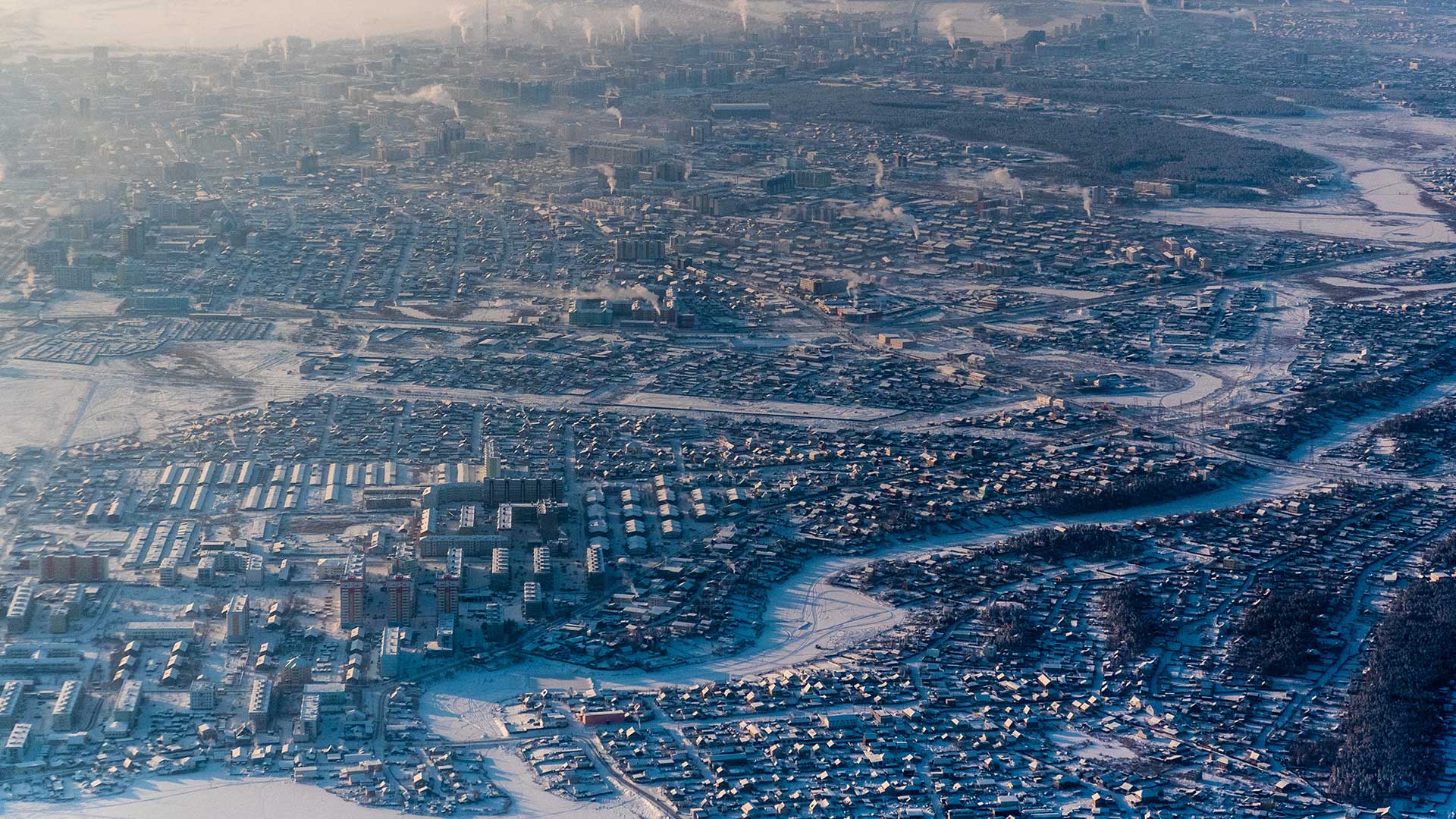
Yakutsk is a relatively easy gateway to “deep cold” tourism in the Sakha region. Average monthly temperatures range from about –36.9°C in January to 19.9°C in July. That combination of very cold winters, surprisingly warm summers also explains why locals are serious about building on permafrost and managing freeze, thaw cycles.
AZIMUT Hotel Polar Star is a common pick and gives you predictable heating, services, and transport help. In winter, the main draw is experiencing extreme cold safely: city walks, local museums, and organised day trips out toward colder settlements if you’re aiming for a “Pole of Cold” photo. Plan your days around daylight and temperature: short outdoor blocks, then warm-up time. If you go in shoulder seasons, watch for slippery conditions.
Quick Facts:
Yakutsk is widely recognized as the coldest major city on Earth, where winter temperatures regularly plummet to −50°C (−58°F), creating a “frozen fog” so thick it limits visibility to just a few metres.
Because the city is built entirely on continuous permafrost, every major building is constructed on concrete stilts to prevent the heat from the indoors from melting the frozen ground and causing the structure to sink or collapse.
The region is a global powerhouse for paleontology and mining, housing the Mammoth Museum which displays perfectly preserved specimens found in the ice, and it serves as the gateway to the massive Mir Mine, one of the largest excavated holes in the world.
4. Longyearbyen
Svalbard, Norway
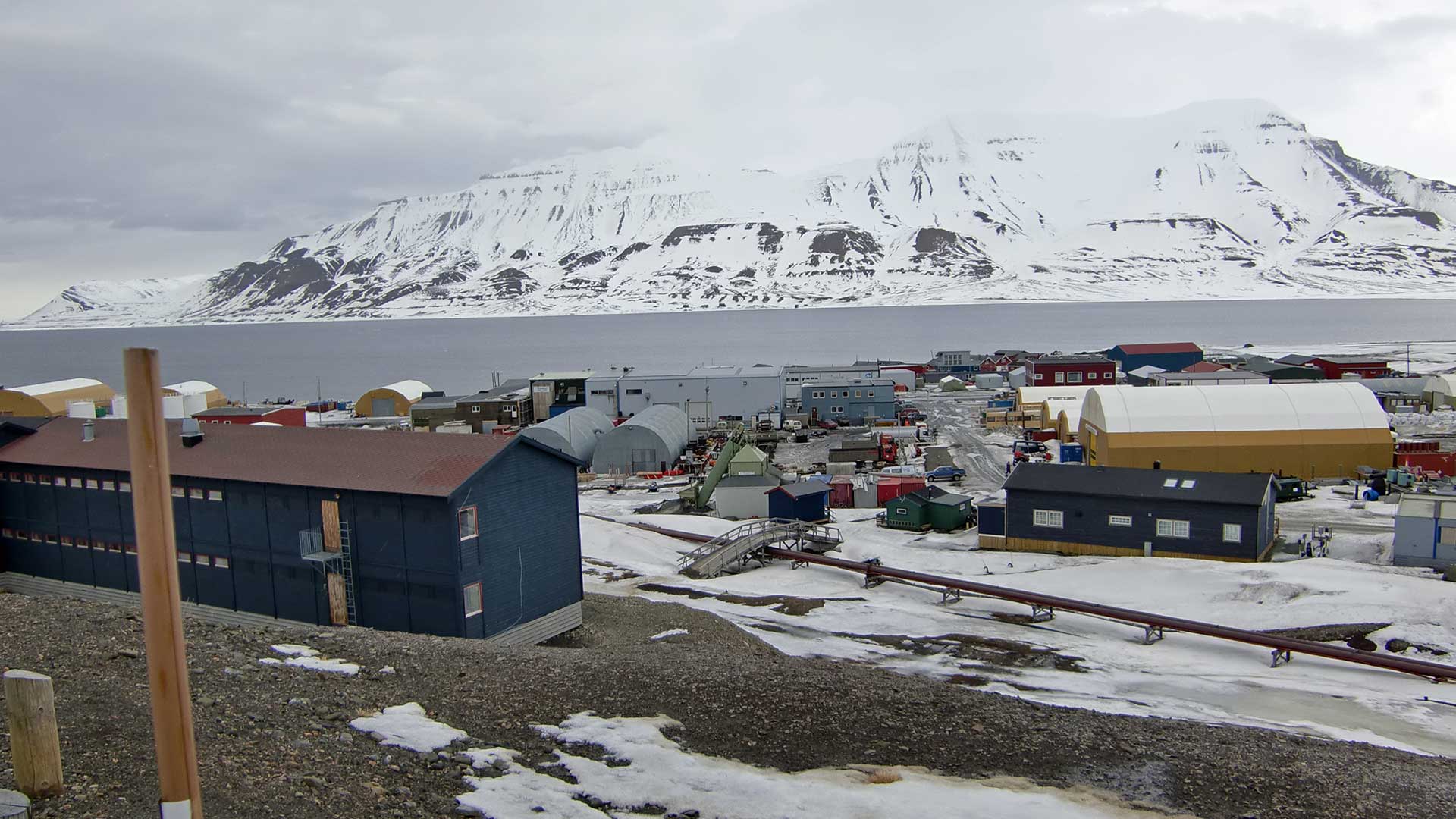
Longyearbyen is a frontier town with good infrastructure but it’s in the high Arctic and polar-bear rules apply outside the settlement. In January, the mean temperature is about −8°C, and in July it’s around 8°C. It’s not Siberia-cold, but wind and humidity can make it feel sharper, and the environment is genuinely Arctic.
Two well-known stays are Radisson Blu Polar Hotel Spitsbergen and Funken Lodge. What you do depends on season: winter is for northern lights, snowmobiling, and dog sledding; summer brings 24-hour daylight, boat trips, and hiking with guides. Don’t plan independent wandering beyond town unless you’re properly equipped and trained. Also, book activities early in peak seasons because capacity is limited and weather can cancel plans, compressing demand into fewer workable days.
Quick Facts:
Longyearbyen is famous for being the site of the Svalbard Global Seed Vault, a “doomsday” facility carved deep into a permafrost mountain that stores over a million seed samples to safeguard the world’s food supply against global catastrophes.
It is one of the few places on Earth where carrying a high-powered rifle is legally required for anyone travelling outside the town limits, as the area is home to a significant population of polar bears that occasionally wander into human settlements.
The town is subject to a unique set of “Arctic laws” due to the extreme environment; for example, it is famously said that it is illegal to die in Longyearbyen because bodies do not decompose in the permafrost, leading to a policy where terminally ill residents are flown to mainland Norway for care and burial.
5. Utqiagvik
Alaska, USA
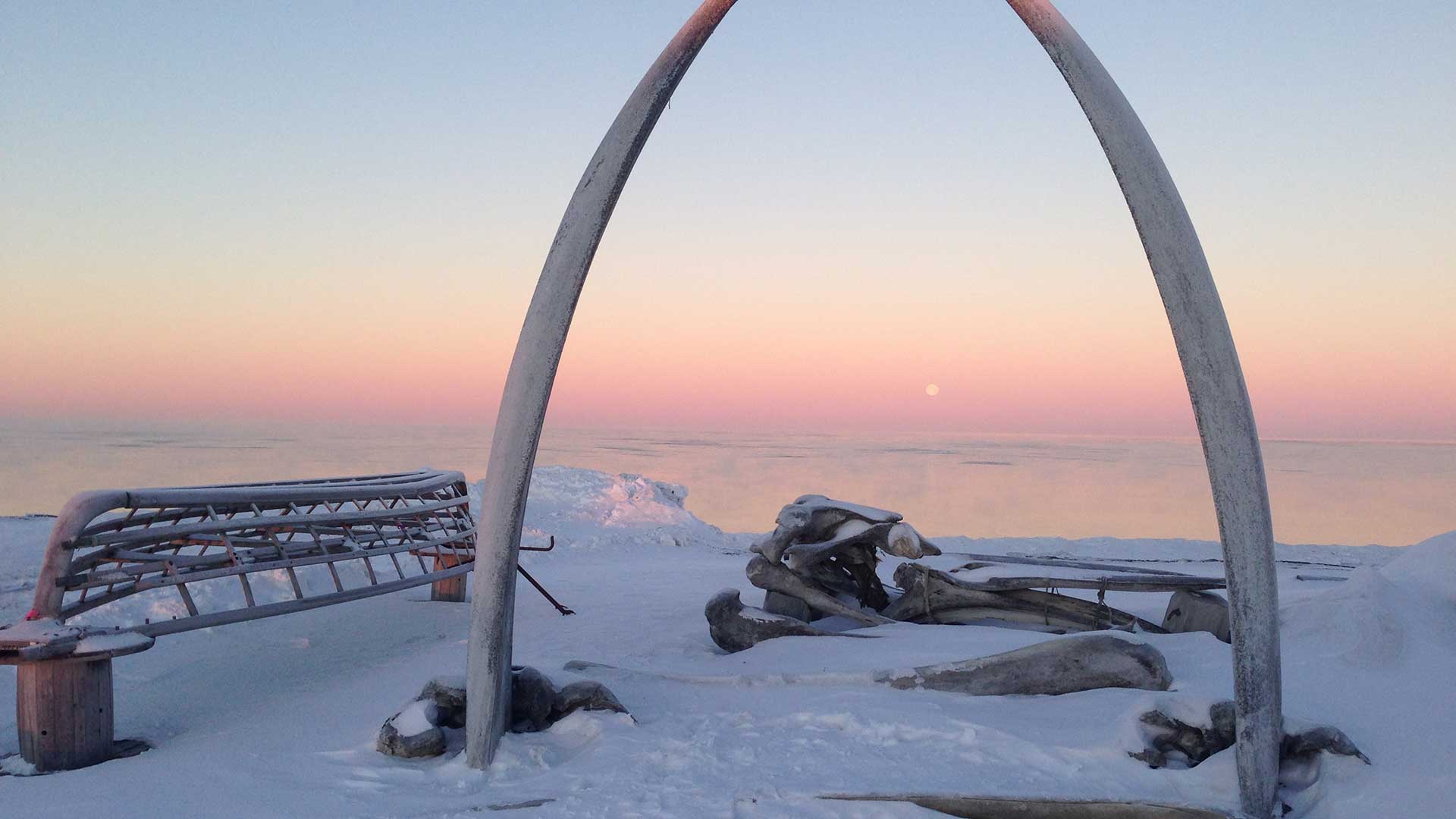
Utqiagvik is the northern edge of Alaska, and it’s shaped by sea ice, wind, and long periods of darkness. January’s mean is about –24°C and July’s mean is about 5°C. This is a place where wind management matters as much as temperature; exposed skin time can be very short on bad days.
Top of the World Hotel is one of the recognisable accommodation options in town. Tourism here is often cultural and seasonal: Iñupiat heritage, Arctic Ocean viewpoints, and guided experiences timed around light and conditions. In winter, keep plans flexible because weather delays are normal. In summer, it’s still cold, but travel can be easier and you’ll see more of the landscape. Bring eye protection for glare off snow and ice, and don’t underestimate dehydration; cold air plus wind quietly dries you out.
Quick Facts:
Utqiaġvik is the northernmost city in the United States, located so far north that the sun sets in mid-November and does not rise again for 65 consecutive days, a phenomenon known as the polar night.
Formerly known as Barrow, the community voted in 2016 to officially restore its traditional Iñupiaq name, which means “the place where snowy owls are hunted” and reflects thousands of years of indigenous history on the Arctic coast.
The city is a global hub for climate change research, housing the Barrow Environmental Observatory where scientists monitor the thawing permafrost and shifting sea ice patterns that directly impact the local subsistence whaling culture.
6. Yellowknife
Northwest Territories, Canada
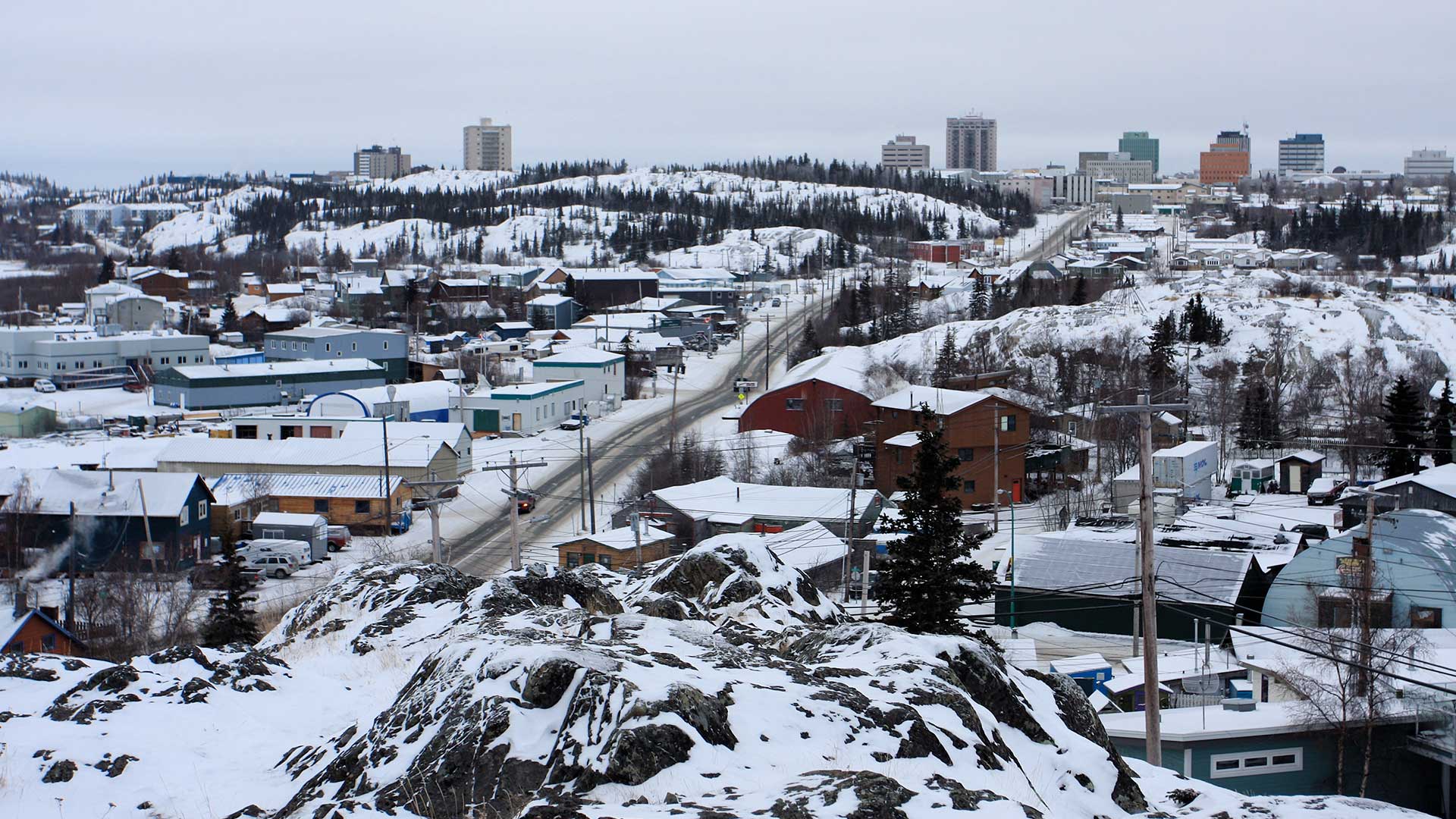
Yellowknife is a cold-weather city that’s comparatively easy to reach and set up for visitors chasing aurora season. January’s mean is about –25°C; July’s mean sits around 17°C. That summer warmth is real, people sometimes forget they’ll need both deep-winter gear and lighter layers depending on when they go.
The Explorer Hotel is a central, established option and is often used as a base for tours. Winter highlights are aurora viewing (often outside town to reduce light pollution) and ice-road and lake experiences when conditions allow. For practical planning: pick accommodation with reliable airport transfers and ask about late-night check-in, because flight schedules and weather don’t always match tidy hotel hours. If you’re photographing aurora, bring spare batteries and keep them warm; cold reduces capacity fast.
Quick Facts:
Yellowknife is widely considered the Aurora Capital of North America because its flat landscape and semi-arid climate result in incredibly clear skies, offering a 90% chance of seeing the Northern Lights for visitors who stay for just three nights.
The city is currently home to one of the largest and most expensive environmental projects in Canadian history: the Giant Mine Remediation Project, which involves managing 237,000 tonnes of toxic arsenic trioxide dust, a byproduct of gold mining, by freezing it permanently underground using specialised cooling pipes called thermosyphons.
It’s also tightly tied to modern diamond history, Ekati (Canada’s first diamond mine) helped kick off the NWT’s diamond era.
7. Churchill
Manitoba, Canada
Churchill is famous for wildlife tourism, especially polar-bear season, and it sits on the edge of Hudson Bay where weather changes quickly. January’s mean temperature is roughly –24°C, and July’s mean is about 12°C.
The Tundra Inn is a known, centrally located stay. If you’re going for polar bears, book far ahead; the season is finite and demand is concentrated. Summer travel shifts toward beluga viewing and broader coastal ecology. Bring serious outerwear even in shoulder periods and follow local guidance on where you can go on foot. Wildlife rules are strict for a reason. Also plan for schedule buffers: transport disruptions can happen, and you don’t want a tight onward connection forcing you to miss your main tour day.
Quick Facts:
Churchill is famously known as the Polar Bear Capital of the World, as it lies directly on the migration path of bears waiting for the Hudson Bay to freeze; the town even operates a unique Polar Bear Holding Facility (locally called the “Bear Jail”) to safely relocate animals that wander too close to residents.
Despite its tiny population, the town is a major deep-water Arctic port and serves as a world-class destination for beluga whale watching, with over 57,000 whales entering the Churchill River estuary every summer to feed and give birth in the warmer waters.
The shoreline is home to the massive Prince of Wales Fort, an 18th-century stone fortress built by the Hudson’s Bay Company that took 40 years to complete and features walls over six metres thick to survive the brutal Arctic environment.
8. Iqaluit
Nunavut, Canada
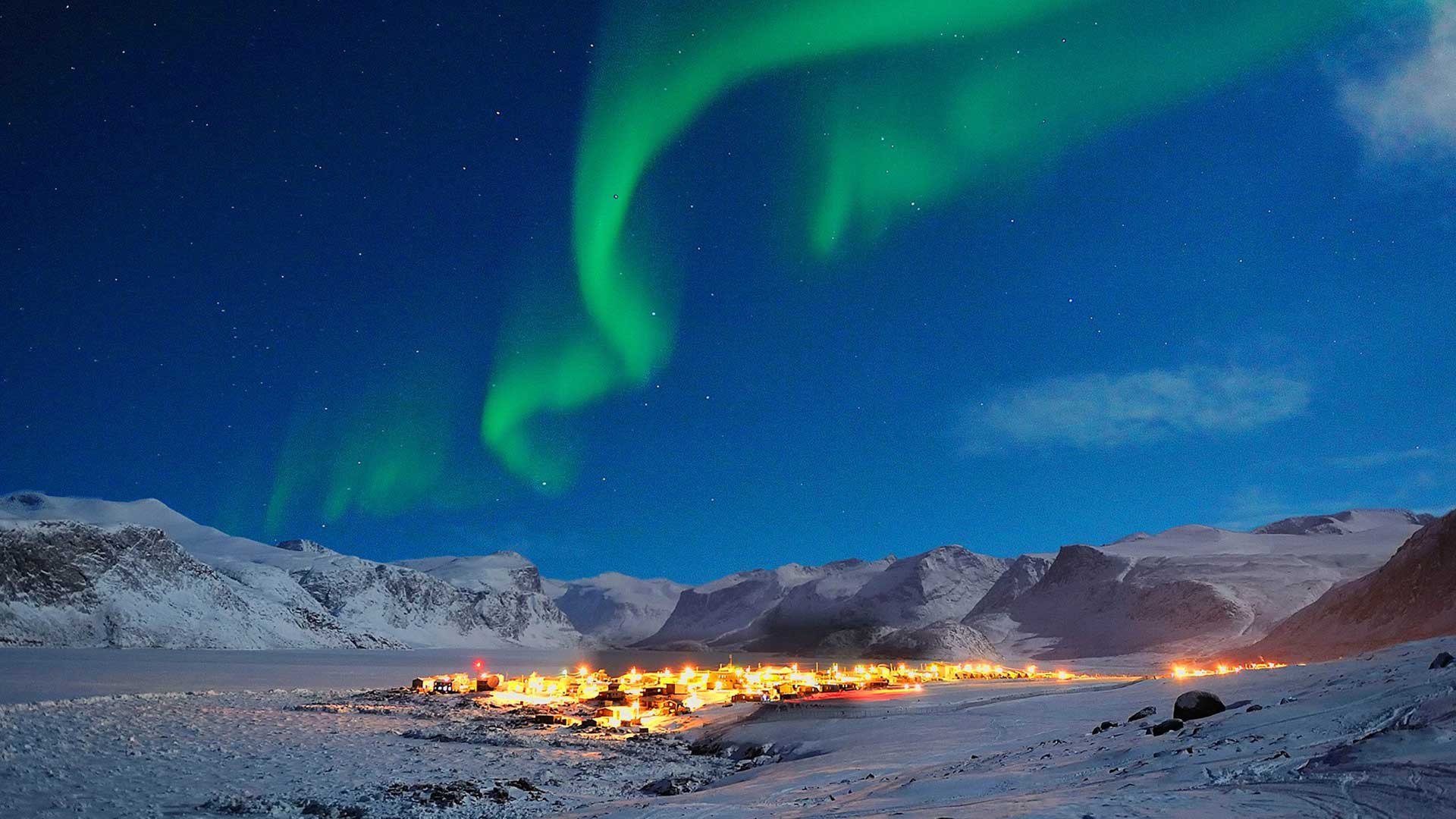
Iqaluit is a working Arctic capital that gives you a real sense of modern life etched into the extreme. Winter is long: February averages sit around –27°C (mean), while July averages around 8°C. It’s cold, but it’s also windy, and the wind-chill is what usually catches visitors out.
The Frobisher Inn is one of the best-known hotels and a practical base for local transport and day planning. Visitors often come for northern lights, snowmobile culture, and the stark coastal geography. The key tip is to treat logistics as part of the trip: flights can be delayed, and services are sized for the local population, not peak tourism. Pack medications and essentials in carry-on, and bring a spare charging method that doesn’t depend on cold-soaked power banks. If you want guided outings, organise them before you arrive; options exist, but last-minute availability isn’t guaranteed.
Quick Facts:
Iqaluit is the only capital city in Canada that is not connected to any other settlement by road, meaning every vehicle, piece of furniture, and crate of food must be brought in by plane or by seasonal sealift barges during the short summer window.
The city experiences some of the highest tides in the world at Frobisher Bay, where the ocean water can rise and fall by as much as 12 metres (39 feet) twice a day, often leaving massive cakes of sea ice stranded on the rocky shoreline at low tide.
It also briefly became a very unlikely global meeting room: Iqaluit hosted the G7 finance ministers meeting in February 2010, which required extra infrastructure support.
9. Whitehorse
Yukon, Canada
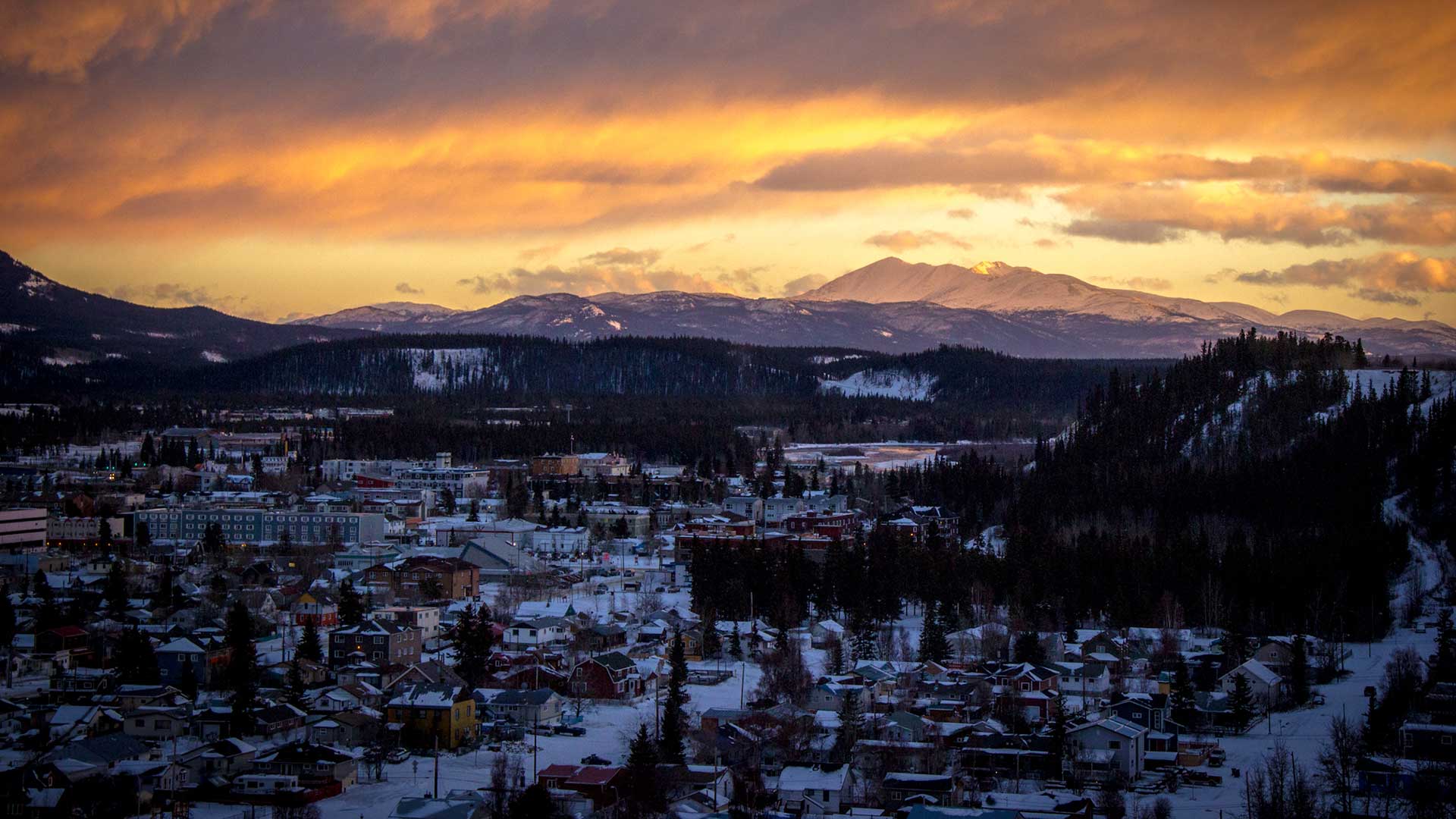
Whitehorse isn’t the absolute coldest on this list, but it’s one of the most accessible “proper winter” bases for the North. January’s mean is about −16°C, and July’s mean is around 14°C. That makes it a good entry point for travellers who want cold without committing to extreme remoteness.
Raven Inn & Suites is a strong central option, and there are other established properties in town that cater to winter travellers. The classic program here is aurora viewing outside the city, hot springs trips, and winter day excursions on frozen landscapes. Rent winter-rated gear or bring boots with real insulation; wet feet ruins everything fast. If you’re driving, ask explicitly about cold-weather vehicle readiness (block heater, emergency kit). The payoff is that you can get a serious northern winter experience with comparatively reliable services and transport.
Quick Facts:
Whitehorse is renowned as “The Wilderness City” because, despite being the largest city in Northern Canada, it has over 700 kilometres of marked trails within city limits and is surrounded by a vast, unspoiled natural environment.
The city holds the Guinness World Record for the capital city with the cleanest air in the world, a ranking it received from the World Health Organization in 2011.
Whitehorse is home to the longest wooden fish ladder in the world, a 366-metre (1,200-foot) structure built to help migrating Chinook salmon bypass a hydroelectric dam on the Yukon River, where visitors can watch the fish through a viewing window during migration season.
10. Kiruna Jukkasjärvi
Swedish Lapland
Kiruna is a mining town turned winter-tourism hub, and nearby Jukkasjärvi has become shorthand for “sleeping in ice.” Average temperatures are around −12°C in January and about 13°C in July. Cold, yes, but the region is also set up for visitors, which makes it easier to do demanding activities safely.
ICEHOTEL in Jukkasjärvi is the headline stay, particularly for winter. You can also base yourself in Kiruna and day-trip depending on your plan. Things to do are straightforward and seasonal: aurora nights, snowmobile routes, cross-country skiing, and Sami cultural experiences via reputable operators. A solid tip is to plan for darkness in winter; your active hours may be shorter, and photography schedules matter. If you’re going for the Icehotel rooms, book early; the finite inventory is the point, and it sells accordingly.
Quick Facts:
Kiruna is currently undergoing one of the most ambitious urban relocations in history, as the entire city centre is being moved three kilometres east to prevent it from being swallowed by the world’s largest underground iron ore mine.
Just 17 kilometres away, the village of Jukkasjärvi is home to the world-famous ICEHOTEL, which has been rebuilt every winter since 1989 using massive blocks of “snice” and clear ice harvested from the pristine Torne River.
The region is a premier hub for space research and northern lights tourism, hosting the Esrange Space Centre, Sweden’s only rocket range, and providing some of the highest statistical chances in the world to witness the Aurora Borealis due to its position north of the Arctic Circle.
11. Ilulissat
Greenland
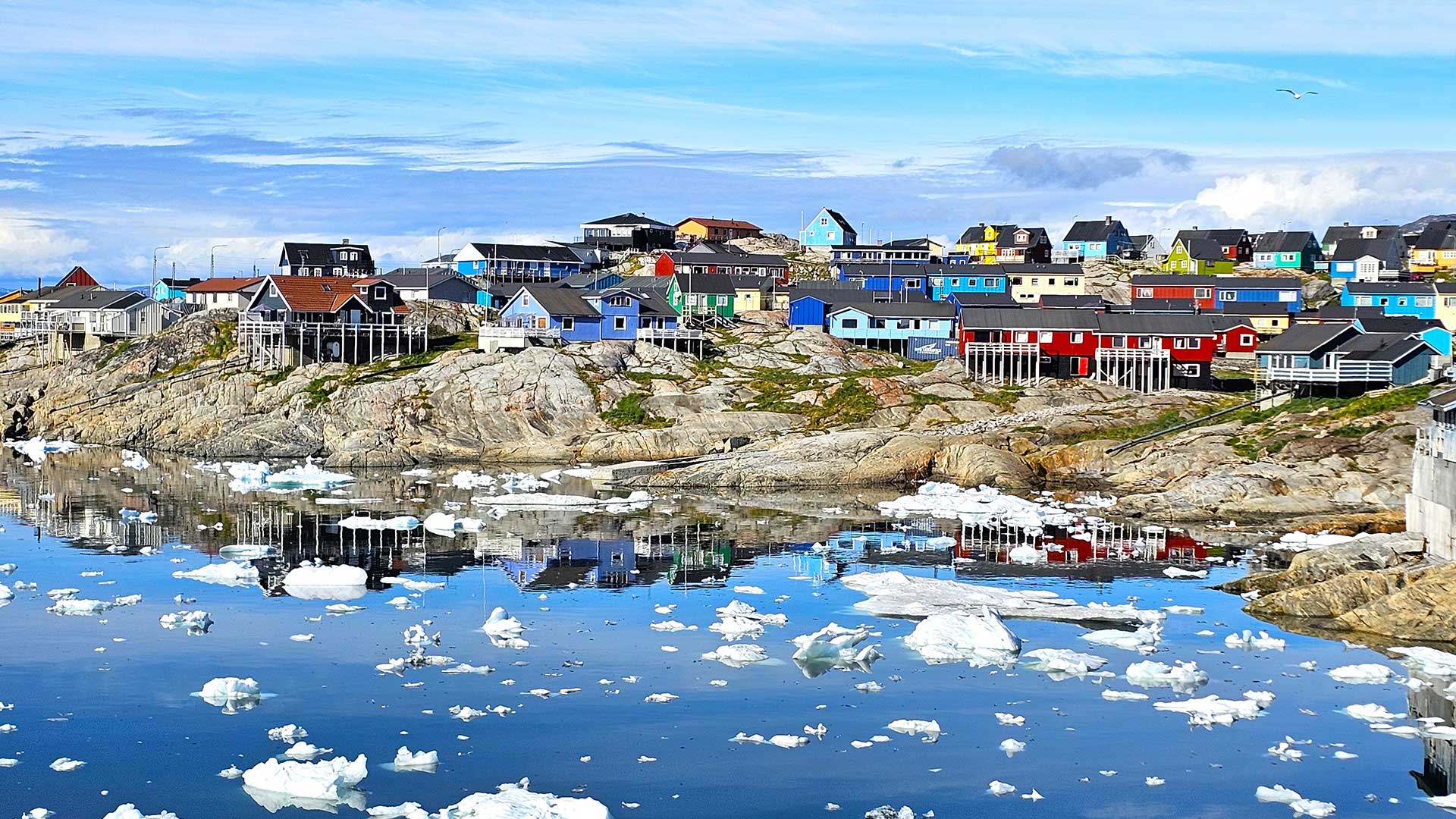
Greenland might be particularly topical at the moment, but it has a lot more than critical resources and strategic military positioning going for it. It is a stunning tourist destination also. Ilulissat sits next to a world-class iceberg factory: the town looks out toward ice-choked waters fed by nearby glacial systems. Temperatures hover around –15°C (mean) in February, while July averages around 7°C (mean). Summer is still cold by most standards, but it opens up boat access and longer hikes.
Hotel Arctic is one of the best-known places to stay and is often used by visitors doing iceberg and fjord excursions. The main activities are about the geography: guided hikes with safe route choices, boat trips among ice (seasonal), and long, slow viewpoint sessions where you just watch the ice move. Bring sunglasses and eye protection; glare is real. Also bring a windproof outer layer even in summer—coastal conditions can flip quickly. If you’re prone to seasickness, plan ahead; the best iceberg viewing is often on water.
Quick Facts:
Ilulissat is home to the Ilulissat Icefjord, a UNESCO World Heritage site where the massive Sermeq Kujalleq glacier—one of the fastest and most active in the world, calves enormous icebergs that can tower over 100 metres above the water’s surface.
The town’s name literally translates to “Icebergs” in the Greenlandic language, and it is famously the birthplace of the renowned polar explorer Knud Rasmussen, whose childhood home has been converted into a museum dedicated to his Arctic expeditions and Inuit culture.
Despite its modern amenities, the town maintains a traditional Arctic lifestyle where sled dogs outnumber the human population in the winter, and it remains one of the few places on Earth where you can witness the massive “iceberg graveyard” where bergs ground themselves on the fjord’s underwater moraine for months.
12. Kangerlussuaq
Greenland
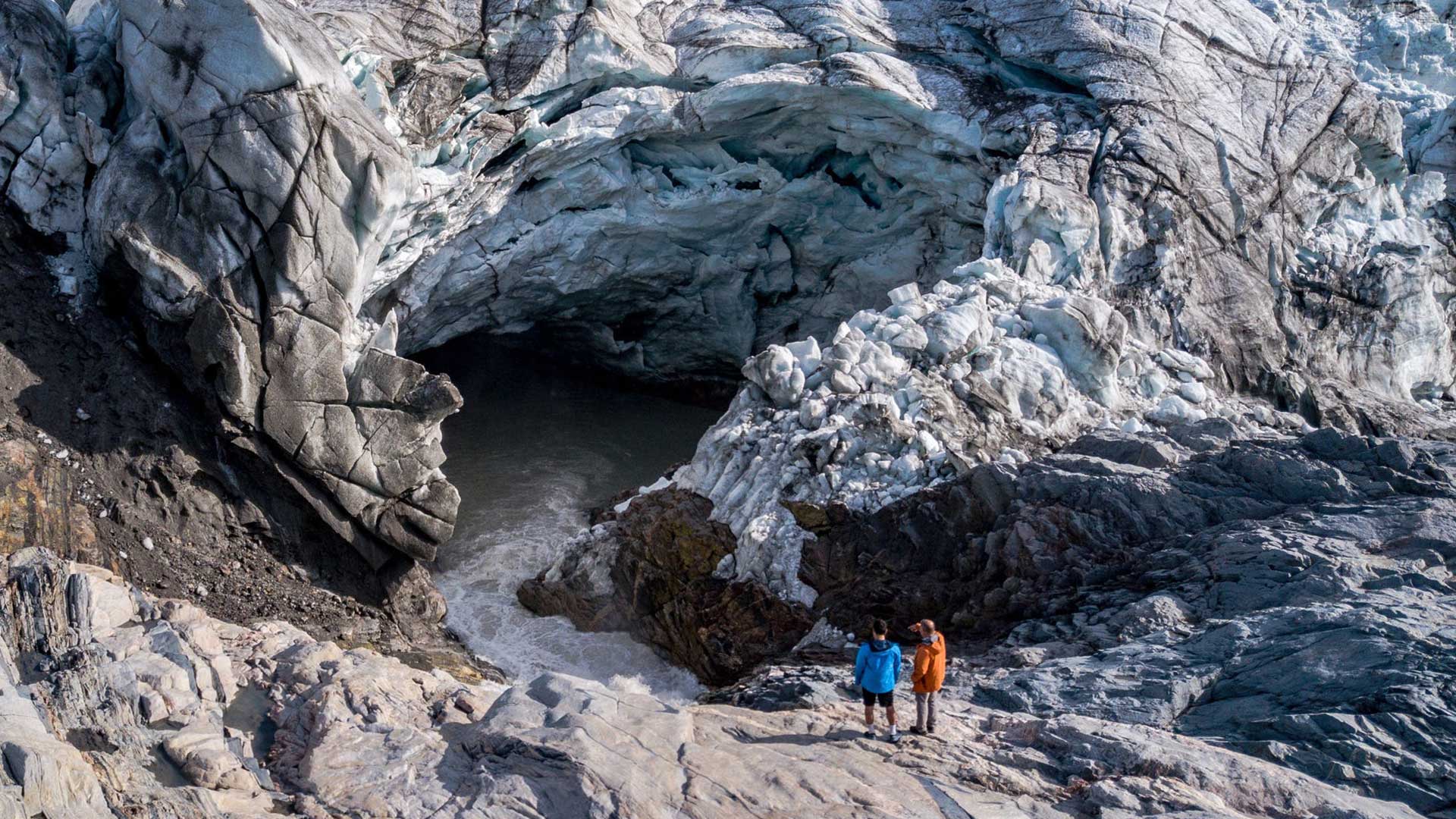
Kangerlussuaq is known less for “town charm” and more for access: it’s a key aviation gateway and a launch point for ice-cap and tundra trips. February’s mean is around –19°C, while July’s mean is about 12°C. The inland position makes it drier than you might expect for Greenland, and that changes how the cold feels.
Hotel Kangerlussuaq is the obvious, practical stay because it’s built around transit and excursions. The classic outing is going out onto the Greenland Ice Sheet with a guide, plus wildlife spotting on the tundra. Tip: treat this as an expedition-light destination—bring layers you can adjust, and don’t assume you can buy specialist gear locally at the last minute. If your plan is to connect onward to the coast (like Ilulissat), build in buffer time in case weather squeezes flight schedules.
Quick Facts:
Kangerlussuaq serves as Greenland’s primary air transport hub because its inland position, far from the coast, provides a stable microclimate with very little wind and nearly 300 clear days per year, making it the most reliable place for flights to land on the island.
The town originated as a U.S. military base known as Bluie West-8 during World War II and the Cold War, and visitors can still explore remnants of this history, including old hangars and a nearby crashed American fighter jet from 1968.
It is one of the few places in Greenland where you can drive directly onto the Greenland Ice Sheet via a 25-kilometre gravel road, which is also the longest road in the entire country, leading to a region famous for its massive population of over 10,000 wild musk oxen.
13. Astana
Kazakhstan
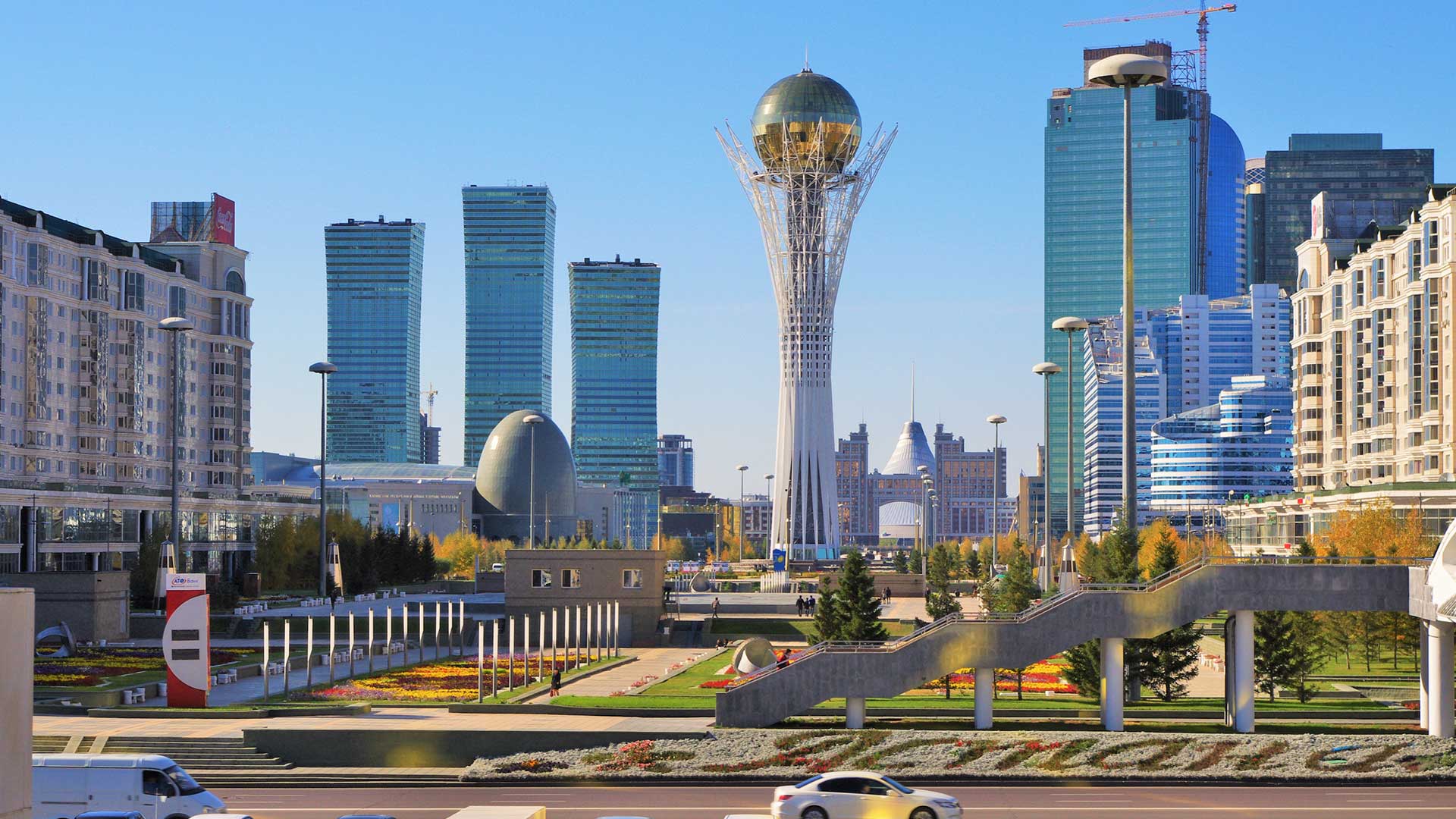
Astana is a cold-capital city rather than a remote outpost, which makes it a different kind of winter trip: urban, modern, and windy. January’s mean sits around –15°C, while July’s mean is about 20°C. The cold here is often amplified by open spaces and wind corridors, so “only –15°C” can feel harsher than it reads.
For higher-end stays, The St. Regis Astana is a well-known option; Hilton Astana is another straightforward international brand base. If you want a specific “geographical marvel,” the EXPO-2017 legacy site includes Nur Alem, a giant spherical building that became a museum/science venue. Winter tourism is mostly about indoor architecture, museums, and food, with short outdoor bursts. Pack traction or choose boots with good grip as icy pavements are common.
Quick Facts:
Astana holds the Guinness World Record for the most name changes for a capital city in modern times. It has been known as Akmolinsk, Tselinograd, Aqmola, Astana, and Nur-Sultan before officially reverting to Astana in 2022.
The city also features the World’s Largest Tent with a Maldivian Beach. The Khan Shatyr Entertainment Centre is a massive, 150-metre-tall transparent tent designed by Norman Foster. Inside, it houses an indoor “Sky Beach Club” where the temperature is kept at a tropical 35°C (95°F) year-round, featuring real sand imported from the Maldives even when it’s −40°C outside.
The architectural centrepiece of the city, the Baiterek Tower, stands exactly 97 metres tall to commemorate 1997, the year the capital was moved from Almaty, and is shaped like a mythical tree holding a golden egg that represents the sun in Kazakh folklore.
14. Ulaanbaatar
Mongolia
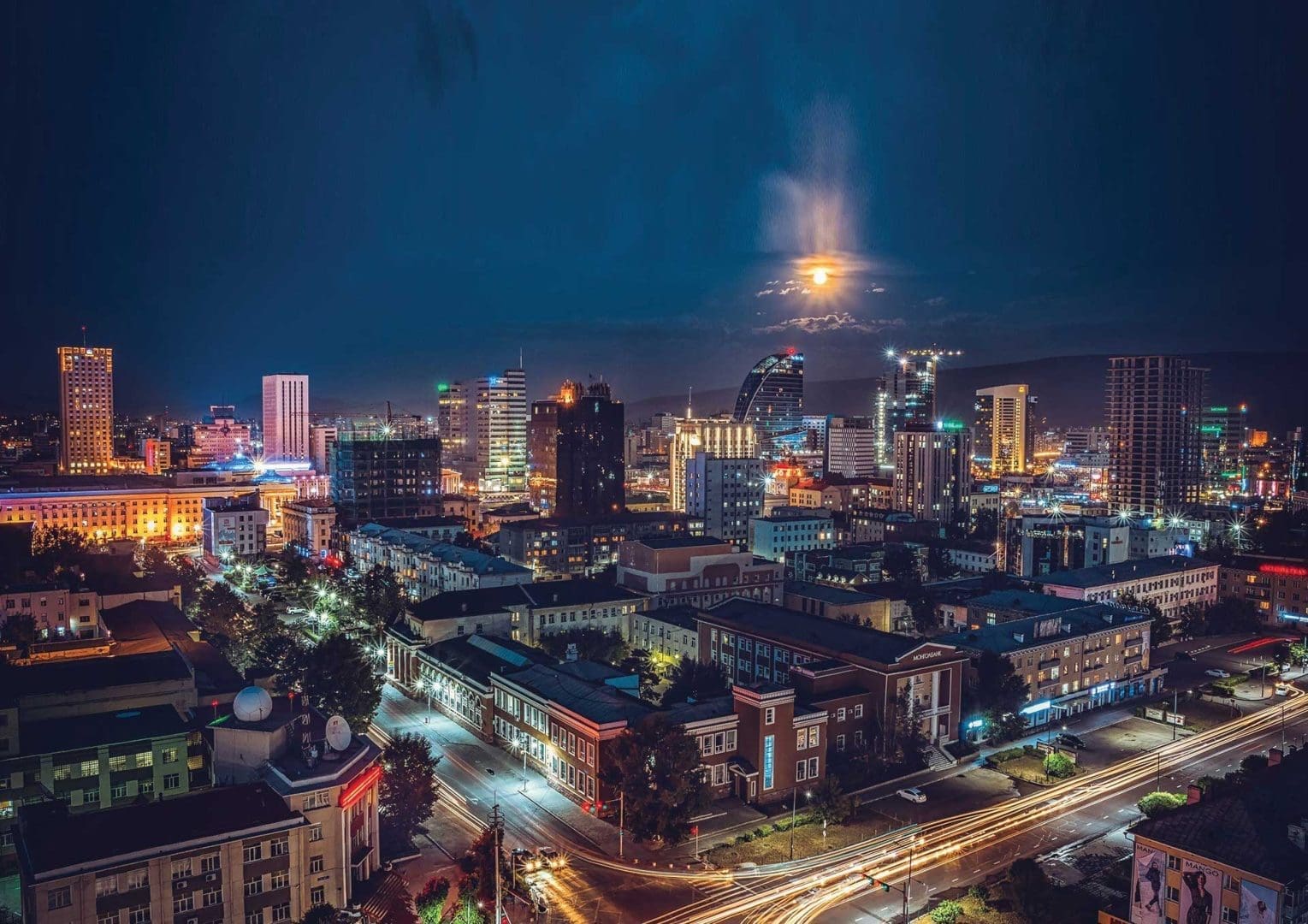
Ulaanbaatar is often described as one of the coldest national capitals, and winter can be long and dry. January mean is about –23°C, while July mean is roughly 17°C. The city sits in a valley, and cold air can pool, so mornings can feel especially sharp.
For accommodation, Shangri-La Ulaanbaatar and Kempinski Hotel Khan Palace are two established options that give you predictable services and transport help. In winter, keep plans practical: museums, monasteries, and guided day trips timed around daylight. If you’re adding a short steppe experience, do it with operators who are explicit about vehicle readiness and heating, distance plus cold changes the risk profile fast. Air quality can be an issue in winter; check local conditions and pack what you need if you’re sensitive.
Quick Facts:
Ulaanbaatar is officially the coldest national capital on Earth, with an average annual temperature of approximately −0.8°C (30.6°F) and winter lows that can plummet to −40°C (−40°F).
Originally founded in 1639 as a nomadic Buddhist monastic centre, the entire city relocated 28 or 29 times over a 140-year period before permanently settling at its current location in 1778.
Despite rapid modern development, over 60% of the city’s population lives in “ger districts,” expansive residential areas consisting of traditional Mongolian felt tents that lack access to central heating and running water.
15. Danmarkshavn
Greenland
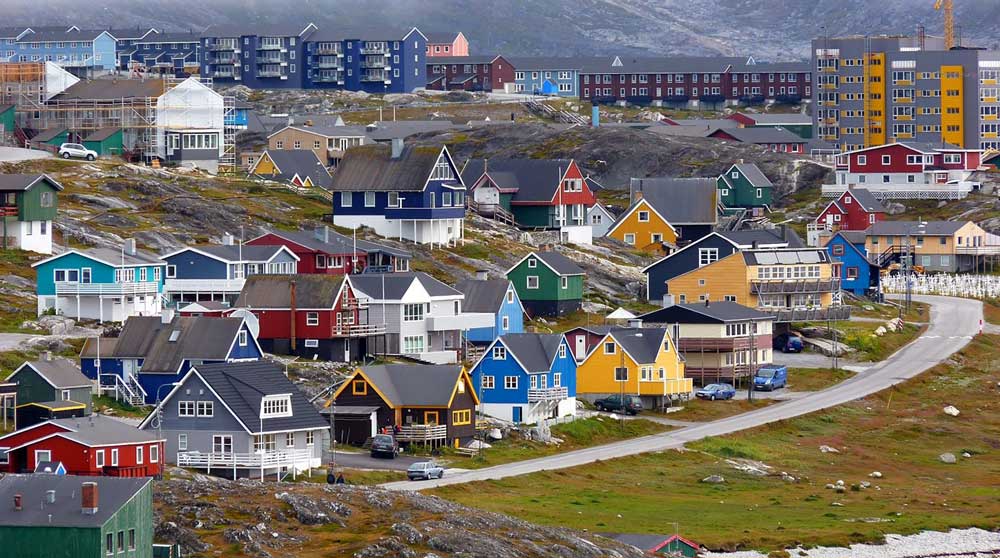
Danmarkshavn is the outlier: it’s not a conventional holiday stop, it’s a remote station area on Greenland’s northeast coast. January averages show a mean around –20°C, and July averages a mean around 5°C. That’s cold even in “summer,” and wind is a constant factor.
There isn’t regular tourist accommodation in the normal way. Visits are typically expedition-based (specialist cruises or arranged logistics), and access is tightly constrained by geography and conditions. Treat it like a polar logistics problem first and a sightseeing trip second: layered clothing, face protection, and strict respect for operational rules. What you get, if you can get there, is high-Arctic landscape, sea ice, low light angles, and a sense of scale that’s hard to find anywhere else. If your goal is “cold and wild” with simpler access, choose Svalbard or West Greenland; Danmarkshavn is for people who already know they want the hard mode.
Quick Facts
Danmarkshavn is one of the most isolated inhabited outposts in the world, typically home to a permanent staff of only six to eight people who operate its small weather station year-round.
The station is known as the northernmost point on the coast of the Greenland Sea that can be reached by a non-icebreaking vessel, a feat that is only possible for a short window in August—and even then, resupply ships only visit every other year. That’s quite a Temu delivery time.
Established in 1948, the site was originally chosen as a winter harbour for the “Danmark” expedition ship in 1906, and today it serves as a critical link in global weather forecasting by collecting data in a region where winter temperatures regularly drop below −40°C.