
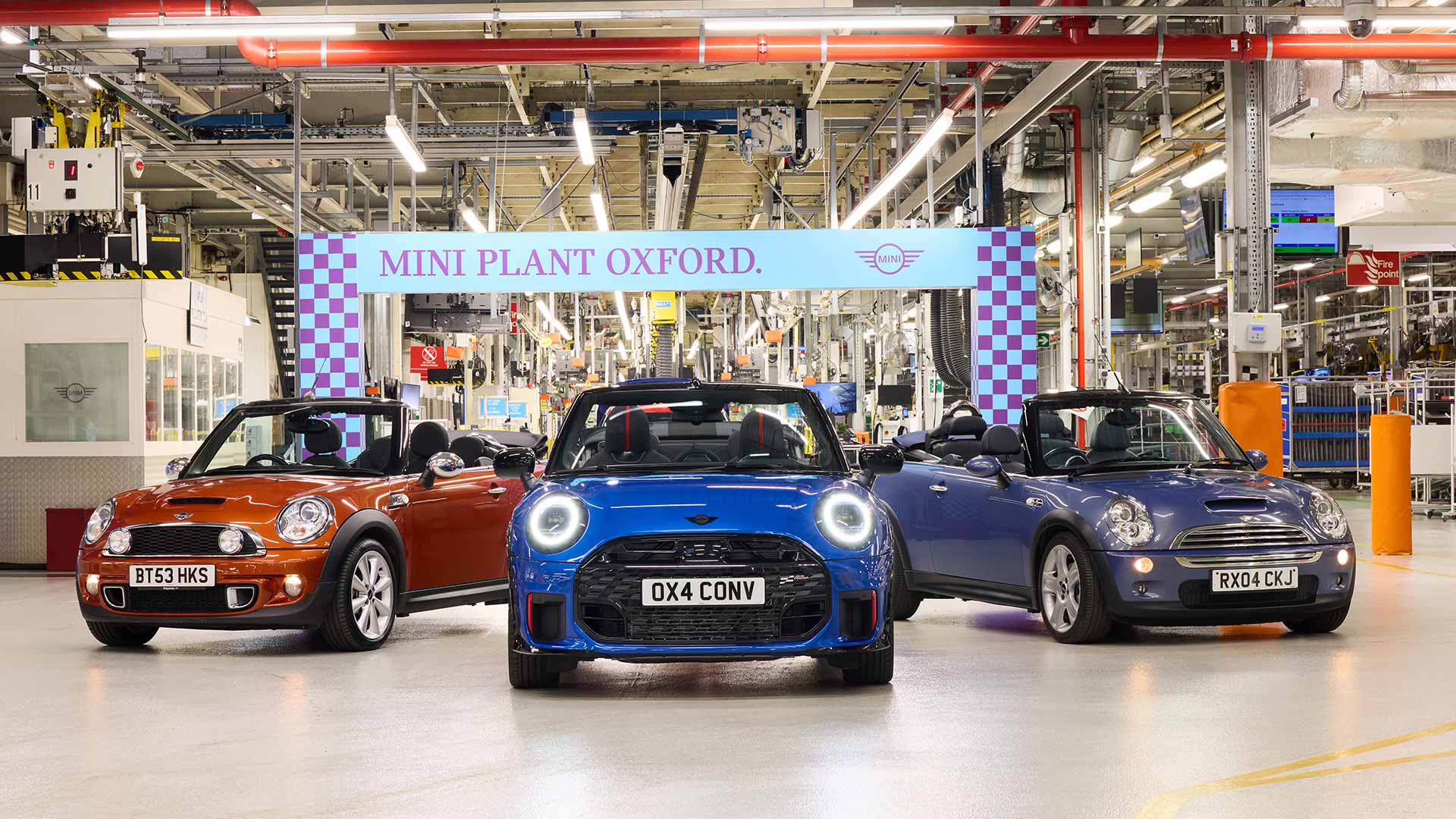
Oxford Plant: MINI Factory tour
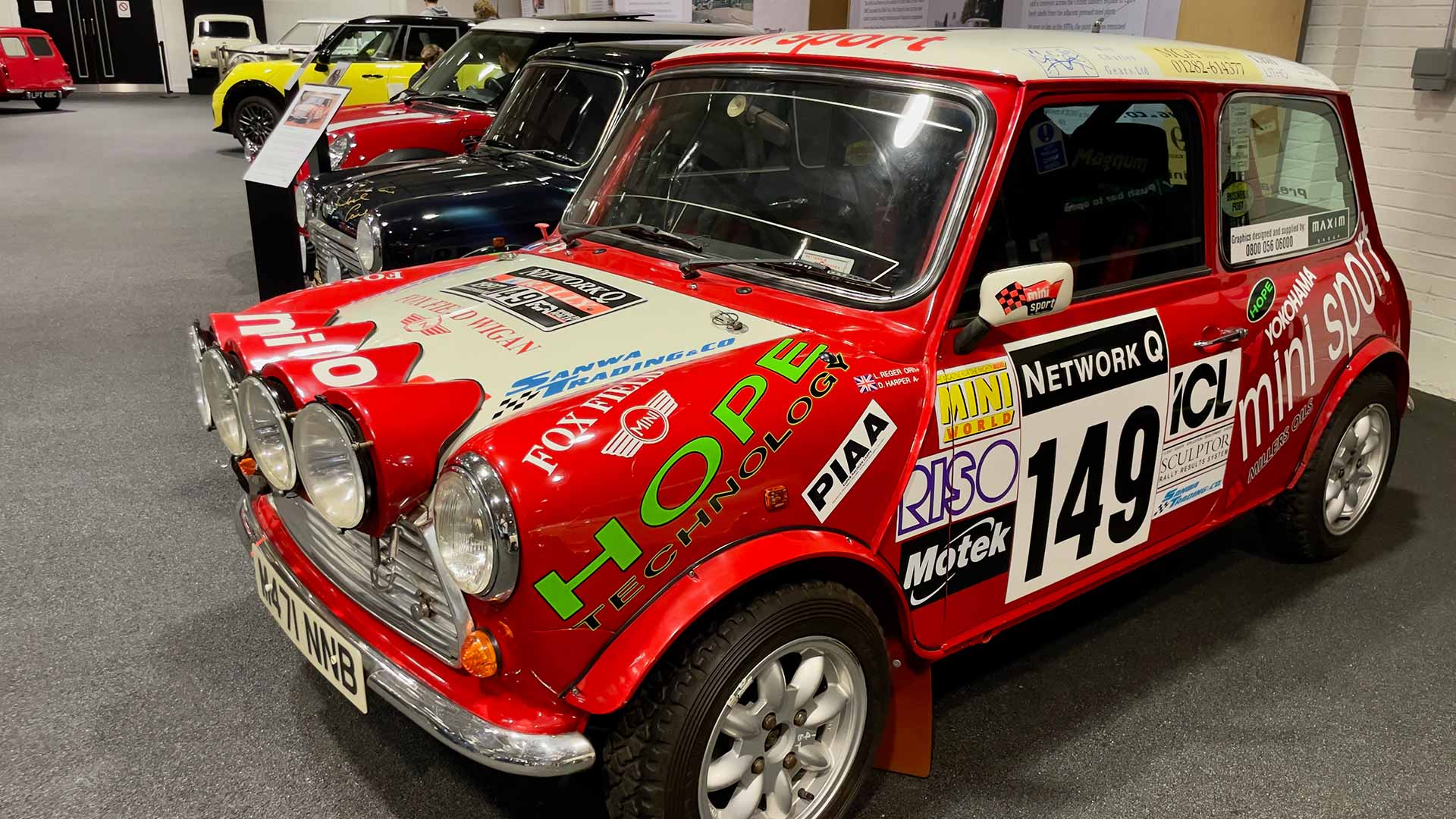
The Oxford plant has been building cars since 1913 in the same spot, and it’s built everything from the Morris Oxford Bullnose to models for brands as diverse as Austin, Rolls-Royce, Range Rover, Honda based Triumph models and MG. In many ways it’s been the heart of local automotive production lines. English car manufacturing may have been a stormy story, yet with BMW fully owning the iconic British brand since 2000, MINI has settled into its rhythm. I was lucky enough to get a tour.
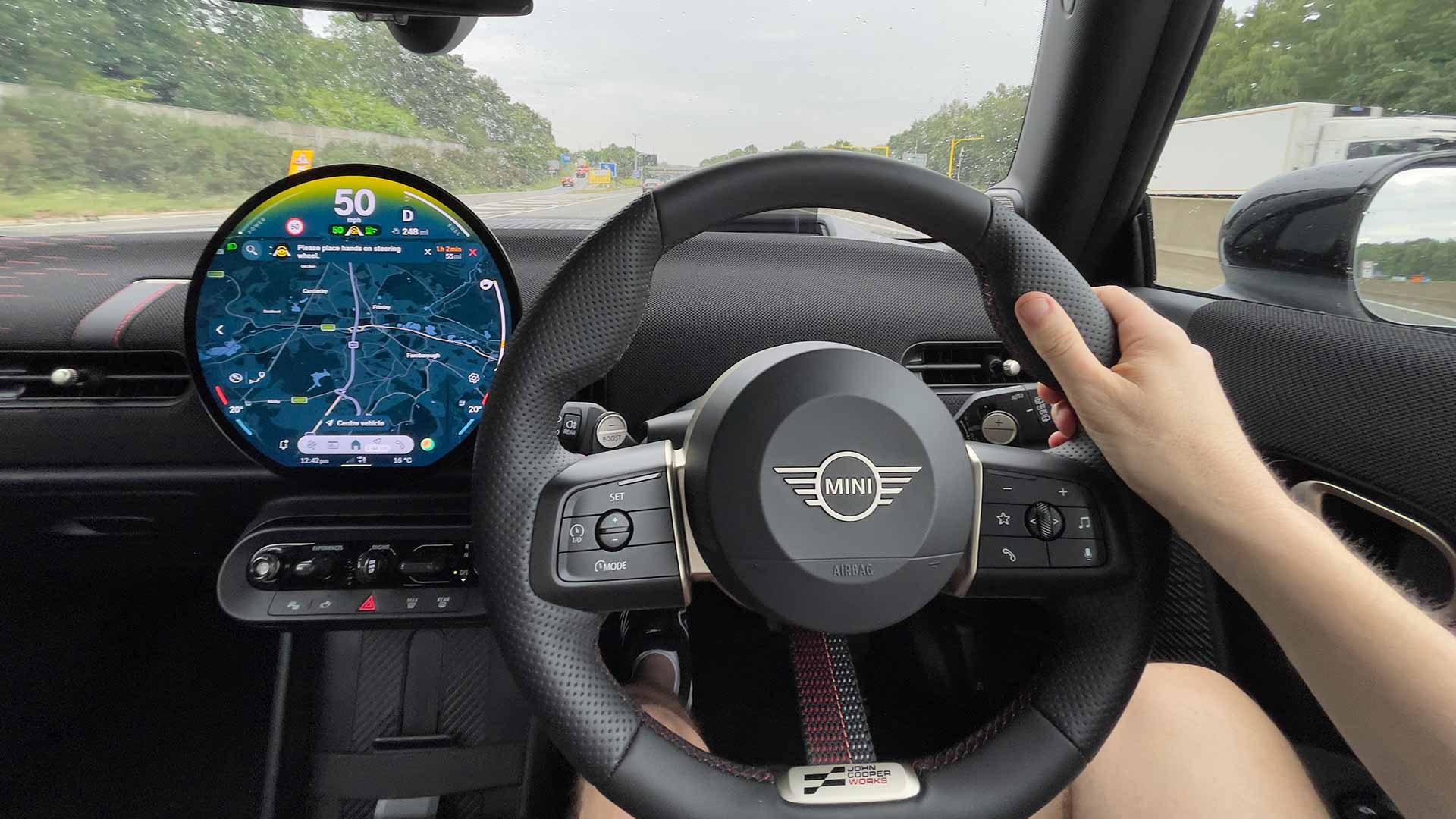
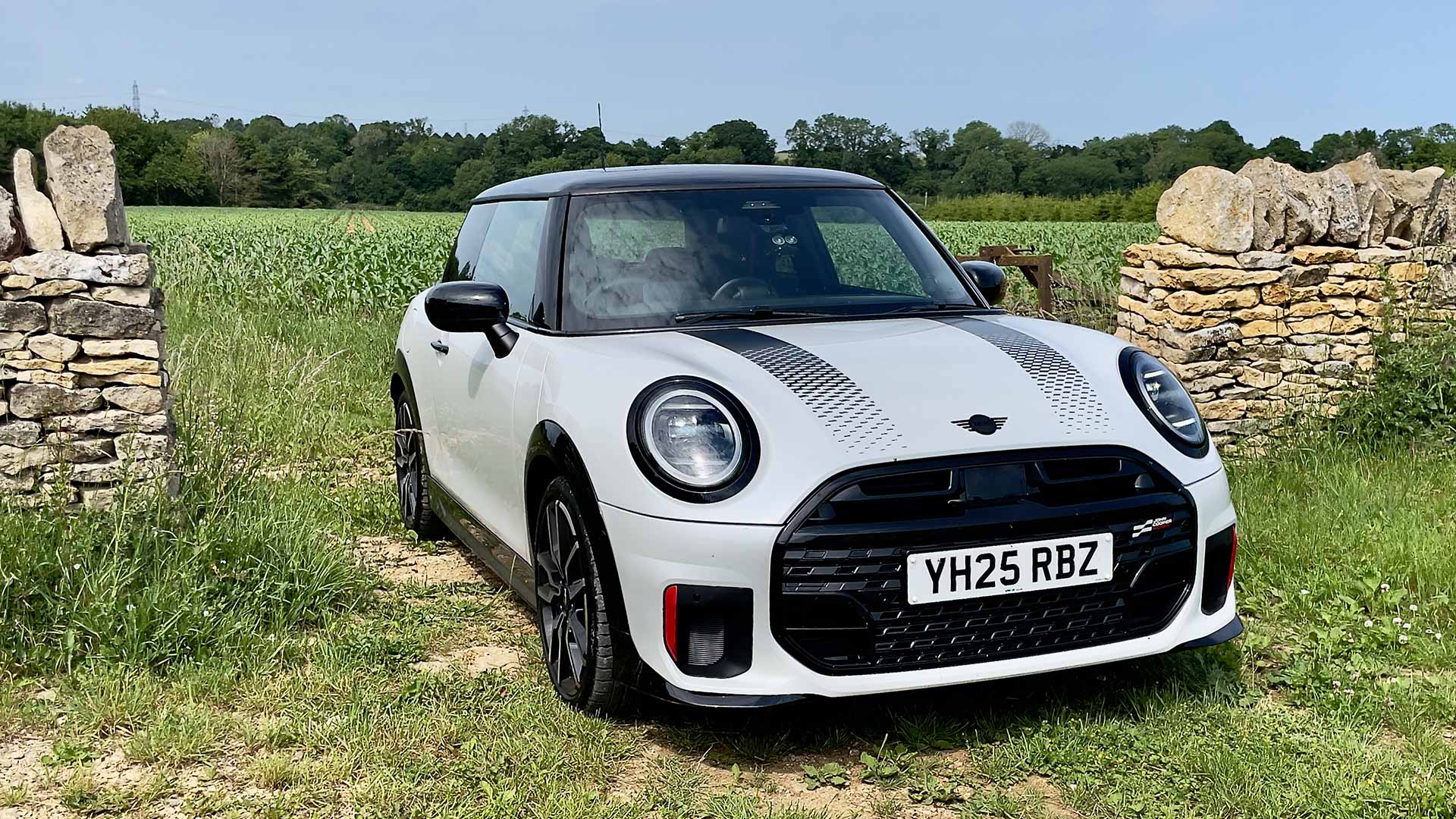
London. 8:30 am. It’s important to take the bus in the correct direction, especially during rush hour traffic. Recognizing my mistake, I leap out, cross the street, and wait for the one in the opposite direction. I crawl through London traffic to the great Waterloo station, for an easy 40 minute train to the UK Mini headquarters in Farnborough. Reception is ready. Security is ready, and i’m handed the keys to an adorable brand new white 2 door JCW Cooper S. The first stop on my travels is driving this MINI back to the factory where it was born, in Oxford. I punch the directions into the built-in sat nav and It’s a short trip to the factory.
Oxford. 2:30pm. Donning high-vis for the facility walk, a group of 20 follow Peter throughout the plant for the next 90 minutes. The same building has been in use all these years, so a few clever tricks fit the line into the space. First, you notice that the line is a snake, weaving backwards and forwards along the length of the factory and occasionally going up a level. The second thing you notice is all different models are built on the same line: two-door, four-door, cloth or tin-top, different colors and options. Peter explains this very modern line enables complete customization of virtually any one of the Mini models. As a body progresses through the line, the workers are instructed with components to fit. They run everything on a just-in-time model, and automated floor walking robots deliver components as they are needed. Yet it’s the assembly robots that own the stage. Hundreds of bright orange arms waving around taking the cars from raw panel to finished bodies.
A few other things that stand out: the line is very clean with white floors. It’s barely industrial; no oil, no smoke, no smell, just metal, upholstery and ‘new car’. There’s a sense of calm productivity throughout the factory. At regular intervals, the associates on the line move to different stations to vary up their activities. Occasionally, machines flip over the body of a car; humans don’t do the heavy lifting; they handle the finer points. A major juncture on the journey of each vehicle is ‘The Merge’, where workers fit wheels and the engine which is made at a plant up the road. The line lowers the car, workers add fluids and then drive the brand new car over the ‘finish line’ for a test. A car rolls off every few minutes, and the plant operates 24 hours a day, across three shifts, six days a week.
After the official tour, I’m able to spend some time with Graham, a veteran of 30-plus years at the factory. He loves it and has had all kinds of roles. He fills in a few gaps as I pepper him with questions, and you can tell he’s proud of the vehicles that roll off the line. He’s got nothing but praise for the team and the system they operate.
As I climb back into my loan car, which rolled off this very line just 1,000 miles ago, I remain impressed to see the process and quality of manufacturing. It turns out I’m not the only one to be impressed. Mini noted this and now customers are able to follow their car through the manufacturing process with cameras positioned at each stage for remote viewing pleasure. Another factor stay with me : watching all of the people at the plant and their pride in their work. That human touch that ensures each car leaving the Oxford plant is a continuation of MINI’s legacy.