
The Veyron Reborn
Twenty years ago, Bugatti didn’t just drop a new car into the supercar ecosystem; it dropped a new unit of measurement for what a road car could be. The Veyron arrived with 1,001 hp, a top speed north of 400 km/h, and a level of refinement suggesting you could do all of that, then roll straight into a hotel driveway without needing earmuffs or a chiropractor.
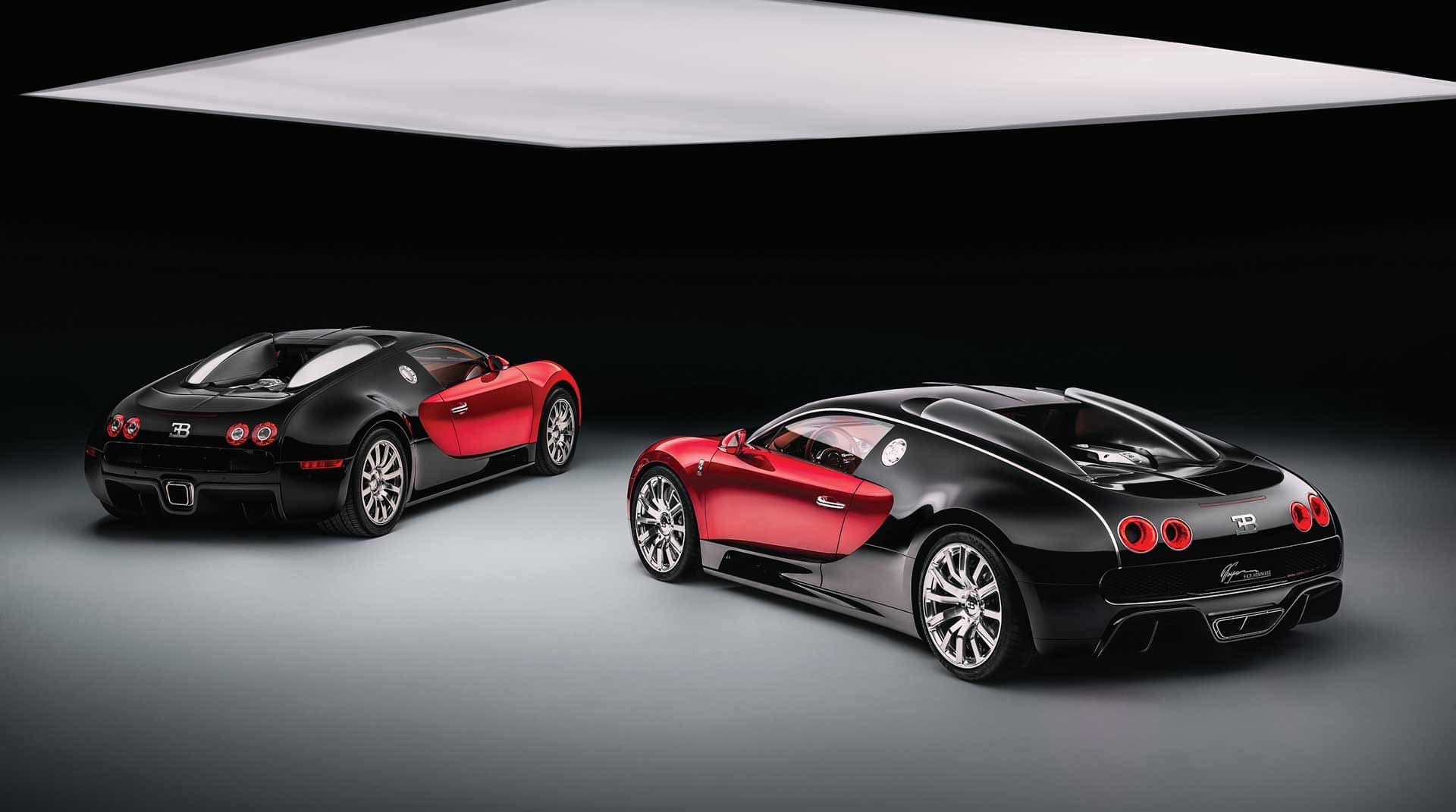
Now, Bugatti is marking that moment with the F.K.P. Hommage, the second creation under its Programme Solitaire banner. As the name telegraphs, this isn’t only a tribute to the Veyron’s impact, but to the person who effectively forced it into existence: Prof. Dr. Ferdinand Karl Piëch, the engineering maximalist who drove the Volkswagen Group’s most ambitious mechanical ideas.
Bugatti’s origin story for the Veyron started as a sketch on a Japanese bullet train, where Piëch drew the initial W-engine concept. This tied neatly into his broader engine legacy at VW, from the brand’s unusual VR architecture (most famously the compact VR6) through to the W8 and W12 applications, before culminating in the ultimate expression of the idea: the quad-turbocharged W16. By staggering cylinders in a short, wide-bank configuration, engineers compressed what would normally be a massive engine into an astonishing 645 mm, allowing the Veyron’s wheelbase to remain a compact 2,700 mm.
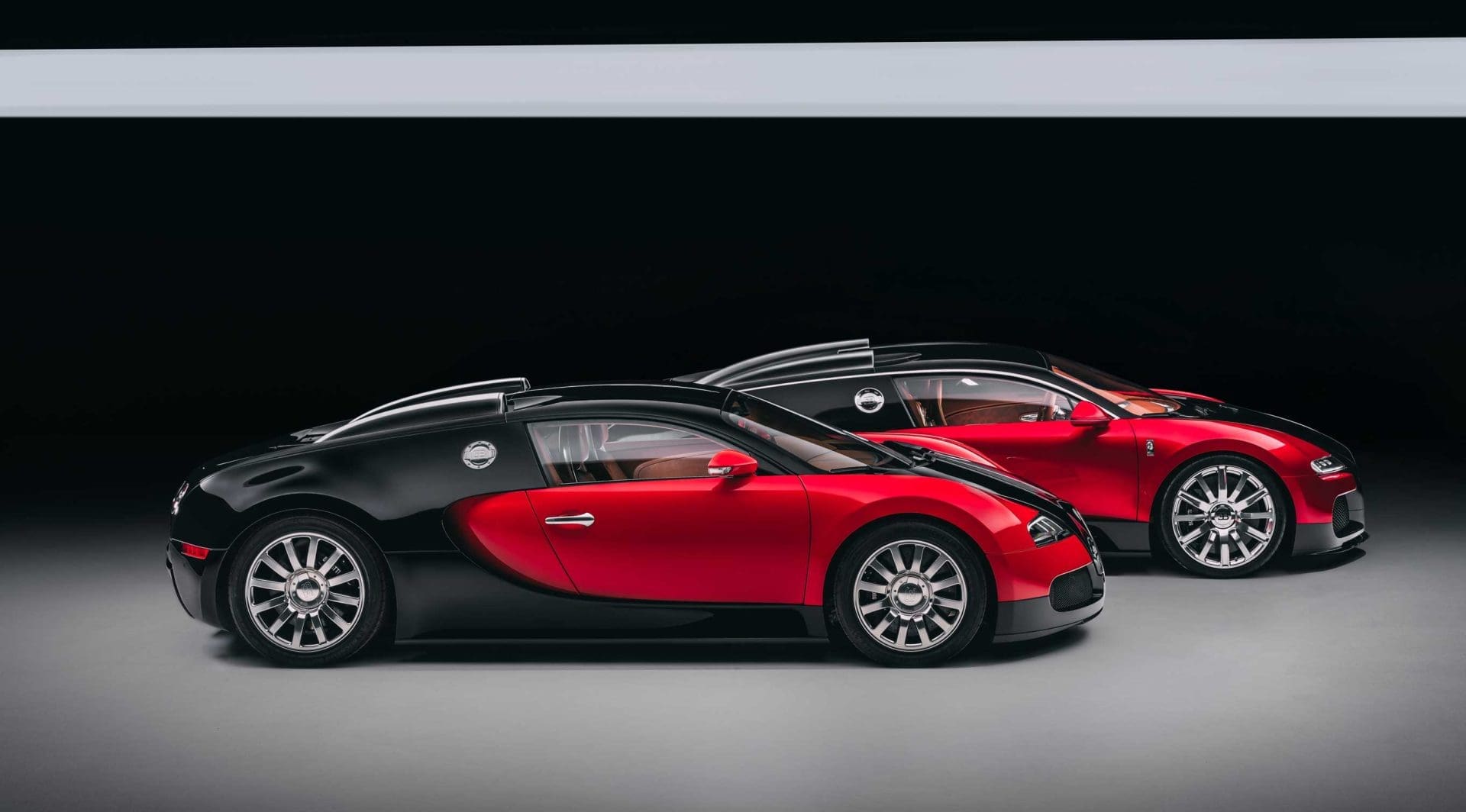
Design-wise, the Veyron never chased the prevailing supercar silhouette. When it first appeared as a concept at the 1999 Tokyo Motor Show, the look developed by a young Jozef Kabaň under Hartmut Warkuß’s direction avoided the sharp, forward-tilting “wedge” school that had dominated for decades. The Veyron almost reclined: composed, self-assured, and strangely calm for a car that could turn tires into vapor on request.
The F.K.P. Hommage takes that original posture and reinterprets it with today’s tools and tolerances. It sits on the highest evolution of the W16 platform, utilizing the 1,600 PS (1,578 hp) tune first introduced in the Chiron Super Sport. This is the final, fully weaponized chapter of W16 development, featuring larger turbochargers, upgraded intercoolers, and a reinforced gearbox built to handle the immense torque without protest.
From a distance, it reads as a Veyron; up close, it is an obsessive masterclass in refinement. The horseshoe grille is a 3D sculpture machined from a solid block of aluminum. The panel lines and two-tone color split have been rethought to align with new surfacing, making the division feel cleaner and more intentional. Wheel sizing has moved with the times: 20-inch at the front and 21-inch at the rear, paired with the latest Michelin technology to sharpen its stance.
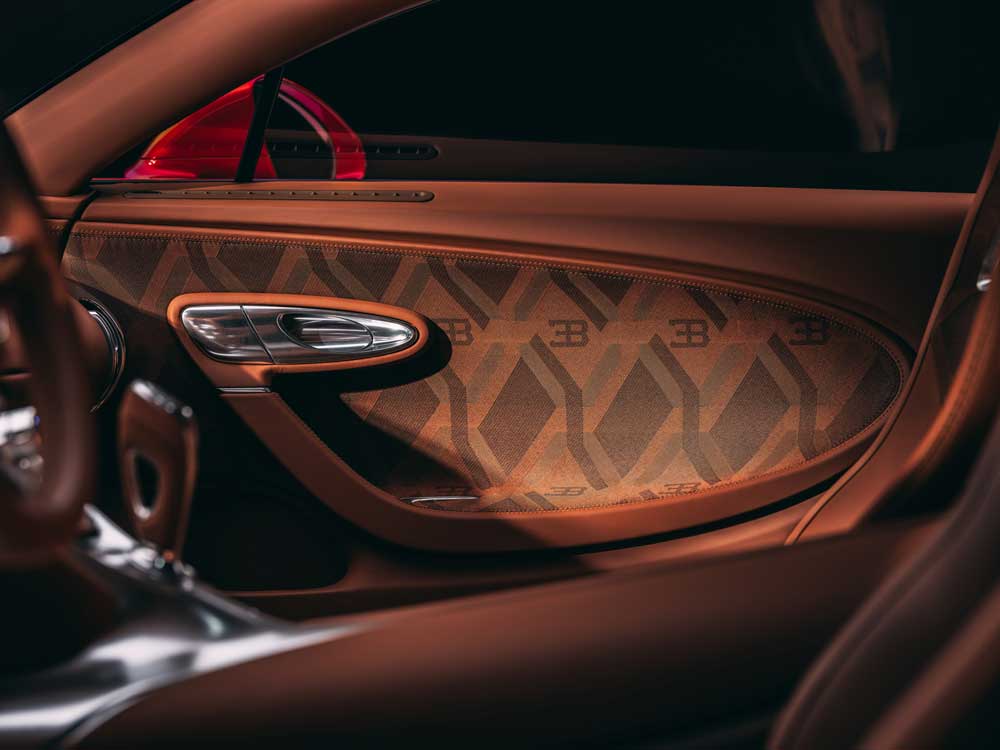
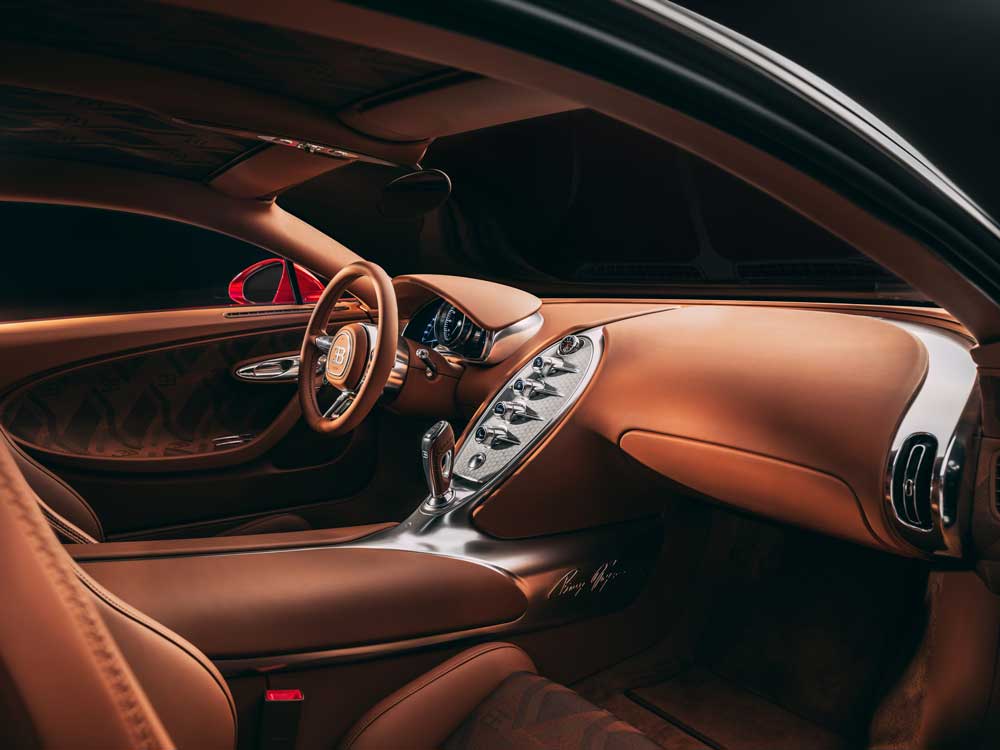
Inside, Bugatti has opted for a full reset. The steering wheel returns to a circular, Bauhaus-leaning character that nods directly to the Veyron, while the center console is machined from solid aluminum. In a move toward “Car Couture,” the cabin features bespoke fabrics woven in Paris—an approach Bugatti has championed since the Tourbillon.
The pièce de résistance, however, is the integration of an Audemars Piguet Royal Oak Tourbillon into the dashboard. Mounted on a dedicated “island” finished in engine-turned polish, the 41 mm timepiece features a self-winding mechanism—a gondola that rotates on a diagonal axis several times per hour, powered by the motion of the car itself. It is extravagantly unnecessary, mechanically obsessive, and therefore perfectly aligned with the spirit of the original Veyron.

La Grande Année 2014
Vinification in barrels: expertise preserved by Champagne Bollinger
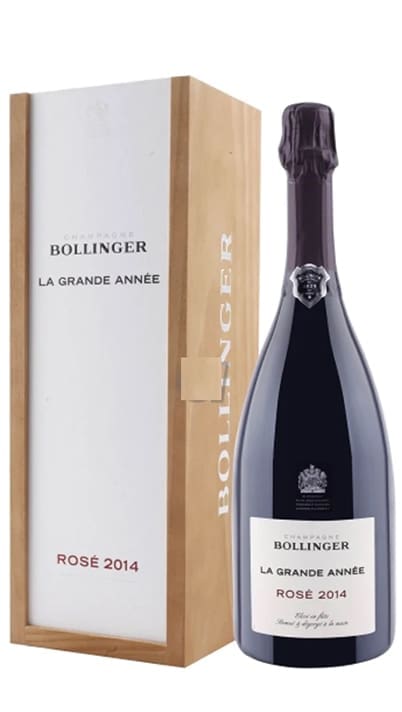
La Grande Année Rosé 2014
La Grande Année, a champagne craftmanship