

Wairarapa’s New Easter Weekender: Morning Glory Announces First Line-up
There is a particular kind of stubbornness that sits right at the heart of New Zealand’s best independent events. It is not the glossy kind. It is not backed by a tidy grant application or a risk-free venue agreement. It is the grind of being told “no” over and over, then going back anyway.
That is the story behind Morning Glory, a new two-night Easter festival landing in the Wairarapa on Friday 3 April and Saturday 4 April 2026, built, funded, and willed into existence by promoter Luke Westmoreland after nearly two years of setbacks. “I got knocked back so many times I lost count,” Westmoreland says.
The original pitch was simple: create a festival with proper production, a real camping culture, and the kind of late-night and sunrise energy that makes people talk about it for years. The reality was less romantic. Councils that “wouldn’t touch it”, leaked event info, and conditions that came with strings attached. Even once the music side began taking shape, bigger shows would step in and take the same artists. “Artists kept getting sniped, councils kept shutting doors,” Westmoreland says. “Then Wairarapa opened theirs and everything clicked.”
That yes came via Wairarapa Racecourse, with the venue team and local council stepping in early, and an owner Westmoreland credits simply as Matt, who backed it from the start. The result is Morning Glory 2026, set for Easter weekend, with a clear point of difference in a crowded festival market: total independence. “Morning Glory 2026 is now locked for Easter weekend 3–4 April at Wairarapa Racecourse, two nights, fully independent, zero council or government grants, zero flashy handouts,” the release states. For Westmoreland, the independence is not a branding line. It is the only way it could happen. “This is 100% independent because it had to be, no one else was going to build it for us,” he says.
That commitment shapes everything from the programme to the tone. Morning Glory is being pitched as a festival that begins earlier, goes later, and leans into the full weekend experience. The line-up is only part of the hook. The rest is what happens around it. A secret Friday night pre-show is promised “on the full rig” for campers, with the line-up kept under wraps until the lights come up. The festival is also promoting something almost unheard of in modern New Zealand event logistics: “The only place in NZ legally pouring on Good Friday.” Then there are the sunrise sets, designed to live up to the festival name. “Sunrise house sets at actual sunrise,” the release promises, alongside two nights of camping and a schedule that swings between playful and unexpectedly wholesome. The festival is teasing “10 a.m. paddock laser tag, breathwork, sauna village, wellness zone, surprise art and a stack of other chaos still under wraps.”
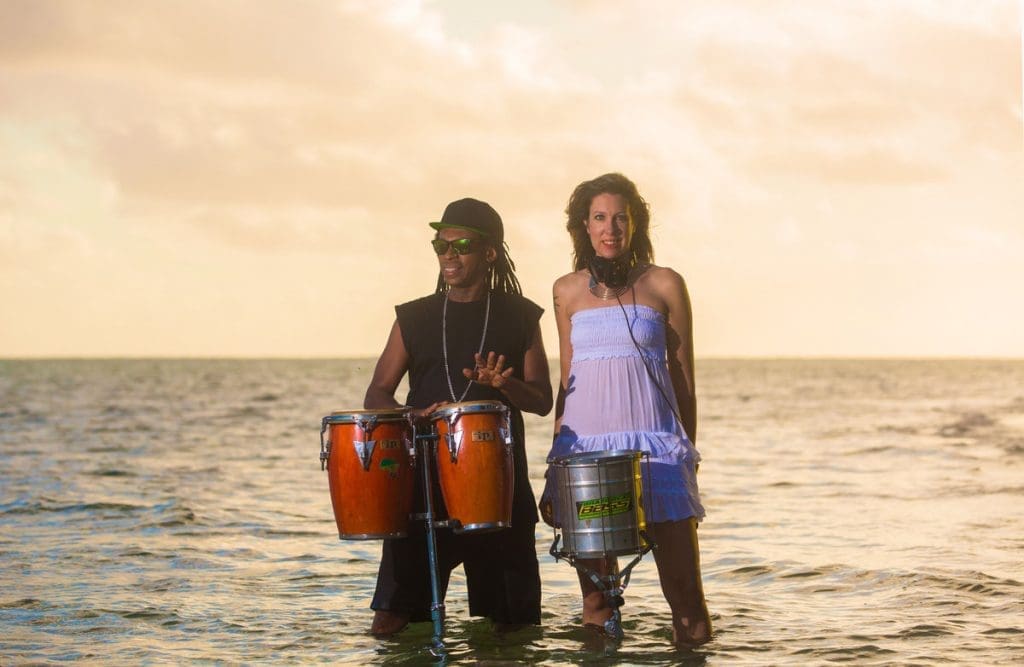
Brazil Beat Sound System
The first line-up drop is lean but deliberate, spanning house, bass, global rhythms and party-forward selectors, with a second wave confirmed for January. At the top is Chris Keeene, an Auckland DJ and producer known for crisp, contemporary electronic sets that travel well between clubs and festival stages. He is joined by FFAR, a DJ and producer whose rise has been built on forward-leaning house and a strong online following, translating particularly well to Wellington dancefloors. BrazilBeat Sound System brings something more physical, blending DJ-driven momentum with live percussion and a bass-first sensibility that works in open air on a big rig. Sweetpants adds a familiar local wildcard, a selector with long-standing dancefloor and radio credentials, capable of moving between playful curveballs and precision-built peaks. Then there is Not My Sister, a newer project but one already making noise, a Wellington-based DJ influenced by funk and disco who leans into vocal-driven, groove-heavy house with an uplifting edge, the sort of sound that thrives at golden hour and again when the sun returns. The festival calls this list “the lineup that survived the snipers”, and it reads like a first chapter rather than the full story.

Murry Sweet Pants
Morning Glory is also a reminder of how hard it has become to launch a new festival without institutional support. The risk profile is brutal. Costs rise first, ticket sales catch up later. Promoters are expected to run tighter operations, deliver higher production values, and shoulder more compliance, often with less margin and less patience from the market. Westmoreland’s response has been to build a crew and back the culture. The release credits the people who stepped in before it was safe: “Matt at Wairarapa Racecourse, the first yes and the rock ever since,” alongside Manuka Phuel, who “backed it when it was still just late-night voice notes,” and Mauri Productions, described as “throwing open the contacts books and coming on as show runner.” It also mentions “a ridiculously long list of mates who keep turning down easier money because they want in on this one.”
For the region, Morning Glory is a timely addition to the wider Wairarapa events calendar, pulling people over the hill for accommodation, food and beverage spend, and a weekend that begins on Friday and runs into Sunday departures. Westmoreland is leaning into that underdog energy in his pitch to the public, too. “Want to back a genuine, no-handouts, proper Kiwi underdog? This is it.” Tickets are already on sale, with first-release tickets and limited Good Friday Escape Pass camping upgrades flagged as moving fast, and a second line-up wave due in January.
Morning Glory is not pretending to be everything to everyone. It is aiming to be a very specific thing, for a very specific kind of person. Someone who wants the full weekend, the full rig, the sunrise, and a festival that feels like it was built by humans, not committees. And in a landscape where independence is often talked about more than it is practised, that might be the point.
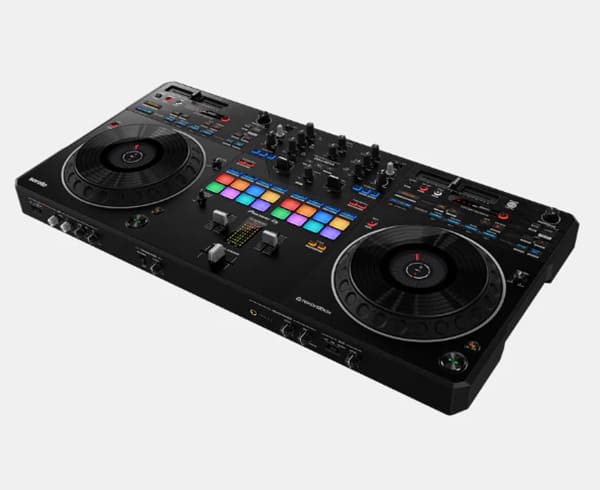
DDJ-REV5
$2,499.00
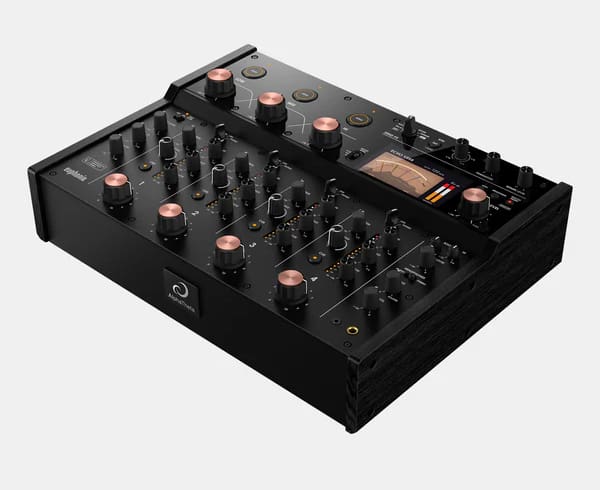
Euphonia
$7,299.00

TSA6881F
$159.00
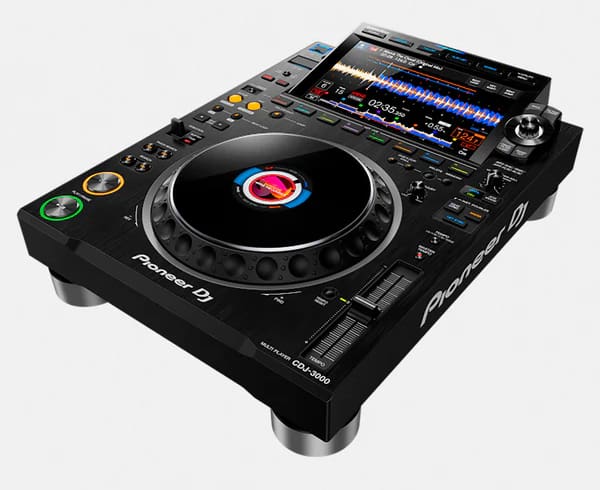
CDJ3000
$4,999.00