
The Curious Case of Brad Pitt’s Taste
Photography by Scott Garfield
Everyone has an actor whose films they have seen more often than anyone else’s: Jason Statham if you like gritty gangster or revenge action, Timothée Chalamet if you are into arthouse cinema, or Nicolas Cage if you just want a few surreal laughs. For me, it has always been Brad Pitt — not because he is the world’s greatest actor (he is not bad, but he is no De Niro either; remember Meet Joe Black?), nor because of how good-looking or cool he is.
It’s his taste — in scripts, clothes, even women — because it has matched mine for 35 years and counting.
Okay, okay! So I’m not an Oscar-winning actor, haven’t raced any Formula One cars, produced any renowned films or dated famous women such as Gwyneth Paltrow or Angelina Jolie. And when I turn up to a New Zealand film set, I get handed a polystyrene cup of Cona coffee instead of a glass of champagne and a proper trailer. But I still see enough similarity in our interests that I have watched more of Brad’s films than those of any other actor over the years. By far.
Bra(n)d Pitt
Why is that? The answer lies in another question: what is a Brad Pitt movie? What does one typically look like? There is not much similarity, aside from Brad appearing somewhere in each of them. How else do you neatly put films as disparate as Thelma & Louise, Se7en, F1, Ocean’s Eleven, Fight Club, Interview with the Vampire, Snatch and Once Upon a Time in Hollywood into the same basket?
Brad Pitt does what he has always done: makes films that interest him. When Backstage asked why he had not simply become a conventional blockbuster star, he said, “It was less about a career than finding the films I wanted to see.” That is the only explanation I can think of that makes sense of his filmography. It also helps explain some of his role choices: Anthony Hopkins absolutely owned him in Meet Joe Black, Morgan Freeman was far more memorable (and believable) in Se7en, and Brad limited himself to a cameo in True Romance — the coolest film around at the time. You got the sense that Brad liked the scripts so much he would have hung around on set to watch the films being made even if he had not been in them.
Creating a New Normal
What drew Brad to his roles again and again was the uniqueness of a script, and Se7en is a fantastic example. Andrew Kevin Walker wrote it while working at Tower Records in New York. David Koepp recommended the script to his agent, and it eventually reached David Fincher. Brad told The Guardian, “I was waiting to find something really interesting, and that wait led me to Fincher and Seven.” Brad was a massive drawcard for the film, helping transform a brutal, unconventional thriller into a mainstream blockbuster — an extraordinary feat for a movie with such disturbing subject matter and imagery. Then there is the legendary story that Pitt threatened to walk if the producers flinched from the infamous head-in-a-box climax involving Gwyneth Paltrow’s character. That is not the normal behaviour of a dutiful A-lister who knows where his bread is buttered. It is not exactly Johnny Rotten behaviour either, but it appealed to me as someone who wished he could tell his bosses they were wrong more often, yet valued continued employment too much to exercise that right.
Brad has never let his status as a Hollywood superstar get in the way of making unorthodox films. Can you imagine Tom Cruise, himself no stranger to jumping the rails occasionally, appearing in movies as comparatively experimental as 12 Monkeys, Fight Club or Snatch? They may seem orthodox now only because they are familiar and popular, but at the script-approval stage they would have been stacked in the “risky” pile on any agent’s desk, let alone in Brad’s folder at Creative Artists Agency. Yet Brad has never seen risk as a negative in his career. “So much of making movies is about discovery,” he told The Daily Actor. “If you know everything going in, then it’s not worth doing. I’m interested in finding people who have a voice.”
Diverting the Gaze
Then there are the roles he has played. Remember, Brad’s breakout role was the ultimate object of the female gaze: a cowboy-hat-wearing himbo offering Geena Davis her first taste of forbidden pleasures. Where could he go from there? Surely down the James Bond/George Clooney route of tuxedos, wisecracks, lingering looks and meaningful goodbyes?
Um, no. Brad’s first role after winning office workers’ hearts the world over was Floyd, a scruffy, stoned couch ornament more interested in cleaning products than advancing his career.
But wait, there’s more: he also played a twitching, manic psychiatric patient, a gay vampire with a pronounced lean and, of course, the ultimate sex symbol guaranteed to turn on all the girls — Death.
Brad! Brad! Brad! What are you doing? Whatever interests him, of course. I have to say, there was never a dull moment trying to predict who or what Pitt would play next. Even David Bowie had no idea what Brad might get up to, which was so cool. Imagine conquering Everest, standing at the top with everyone cheering you on, then looking over at K2 and saying, “See you guys — I’m going to check that one out.”
The one thing he has never done is a Marvel or superhero movie. His mate George Clooney did; even Robert Downey Jr. has. But not Brad. “It’s just not my interest,” he has said.

Redefining Cool
Then came Fight Club. We all thought Brad was pretty awesome by then, and we figured we knew what “cool” looked like too: guys on motorbikes wearing black leather jackets and sporting surly grimaces …
We had no idea. Tyler Durden changed everything in the space of 139 minutes. How had we not known that “cool” really meant hanging out in dingy basements with overweight losers, spouting simplistic phrases as though they were philosophy, and picking fights with strangers just to lose deliberately? Of course. That was what cool was supposed to look like, and we ate it up with a spoon.
Brad Pitt’s extraordinary turn as Tyler catapulted him into the stratosphere as an idol for men, just as he already was for women. He was now breathing the rarefied air only Marlon Brando, Steve McQueen and Clint Eastwood had occupied before — briefly. Yet, because Tyler was not radically different from the oddball characters Brad had played previously, Pitt’s cool felt permanent. You can see it in every role he has played since Fight Club: Achilles’ badass cool in Troy, Rusty Ryan’s easy cool in Ocean’s Eleven, and even Brad’s deliberate dorkiness as Chad in Burn After Reading, which plays as meta-cool. Cool, cool, unmissable cool. The dude cannot seem to miss.
Reflecting Glory
That is why the producers knew exactly whom to cast in the lead role in F1, even if it made little logical sense.
Look at Formula One drivers today: most are in their early twenties, as they almost have to be to handle the physical demands and insanity of the job. Whisper it quietly, but — with the notable exception of Lewis Hamilton — they are not especially cool either. Verstappen, Antonelli, Piastri and Lawson are more engineering nerds than fighter pilots. Again, they have to be to cope with all of today’s technology.
Yet that is not how the public sees F1. The obvious solution was to bring in Brad Pitt, concoct a long-winded second-chance story about a gnarly old driver finally making it on the circuit and — boom — a new legend was born. But why was Brad necessary? Should the movie not simply have been about hot young prospects bashing heads on their way to the top?
Because Brad is the only actor in Hollywood capable of making Formula One as cool as it ought to be. As in Once Upon a Time in Hollywood and Fury, his presence lifts a film from so-so to memorable. Moneyball is basically Brad Pitt sitting through a series of meetings, listening to experienced baseball people and saying, “Maybe so, but I don’t care what you think. We’re doing what my nerdy mate Jonah Hill proposes.” But Brad has mastered the art of portraying contempt down to the way he sits in a chair, and he possesses an inherent cool, so we watched the whole thing and marvelled at it afterwards.
Time to Dust Off Plan B
As successful as Brad has been, he still needs a Plan B — a production company, that is; his acting career is doing just fine, thanks for asking. Plan B Entertainment has allowed him to push through even more stories he finds interesting, including 12 Years a Slave, Moonlight, Minari, The Tree of Life and The Big Short. These films were far less likely than titles such as the Ocean’s franchise to turn a megaprofit and, without Pitt’s assistance, were not even guaranteed to be made. Two of them won the Academy Award for Best Picture, so it looks as though Hollywood shared Brad’s taste. My favourite was The Big Short, in which Brad did not get in the way of the bitterness and anger many of us feel towards the banking industry and its rorts. A major studio would have been less likely to allow that level of unwatered-down emotion — or even to broach the subject at all. You do not bite the hand that feeds you, after all.

Heart of the Beast
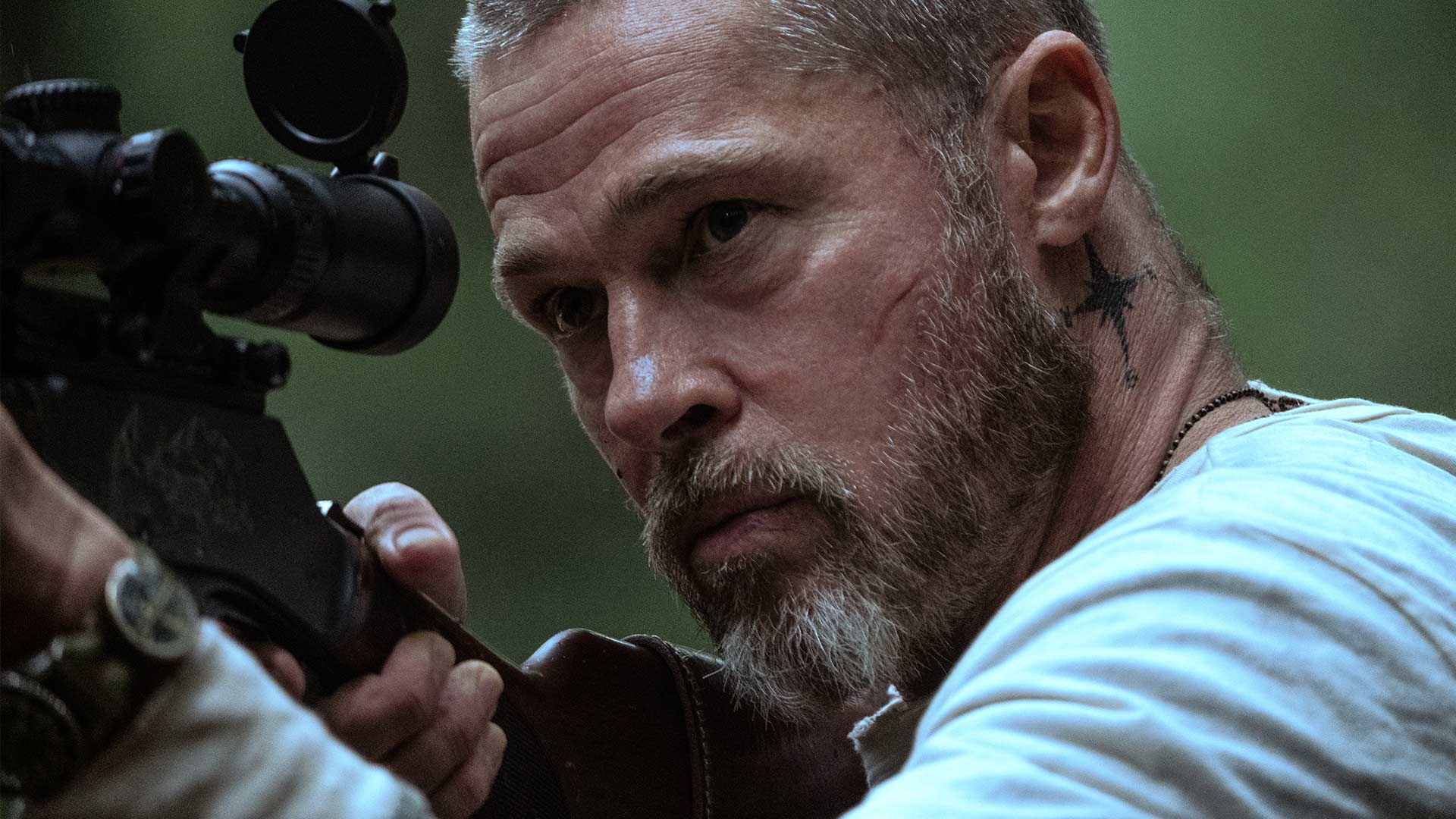
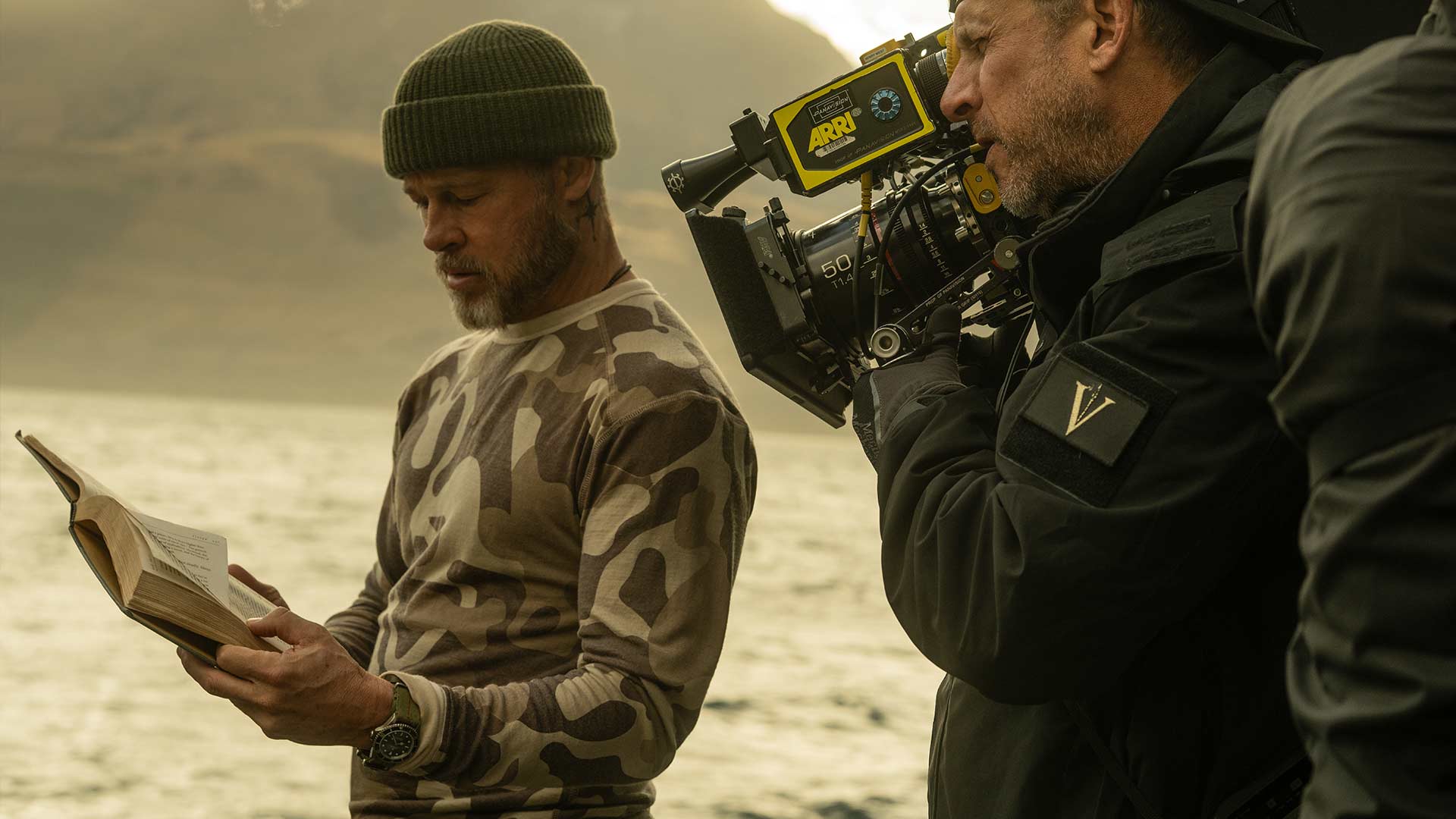
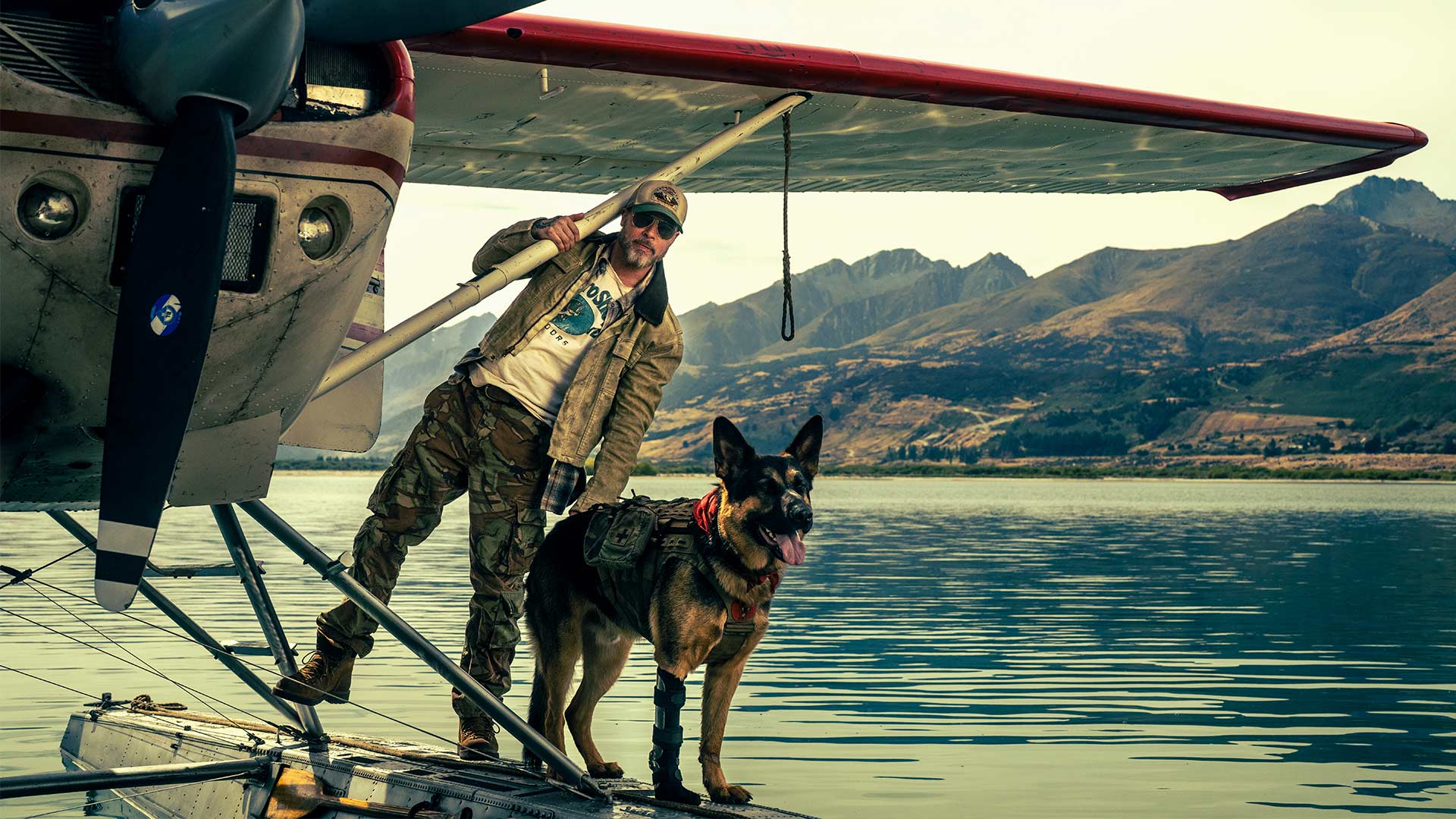
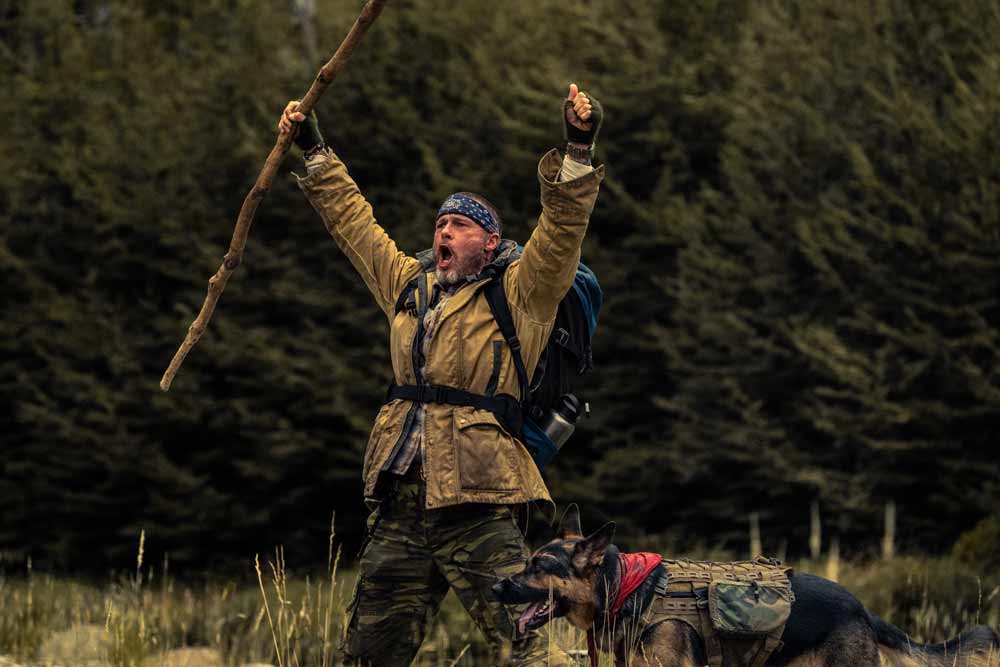
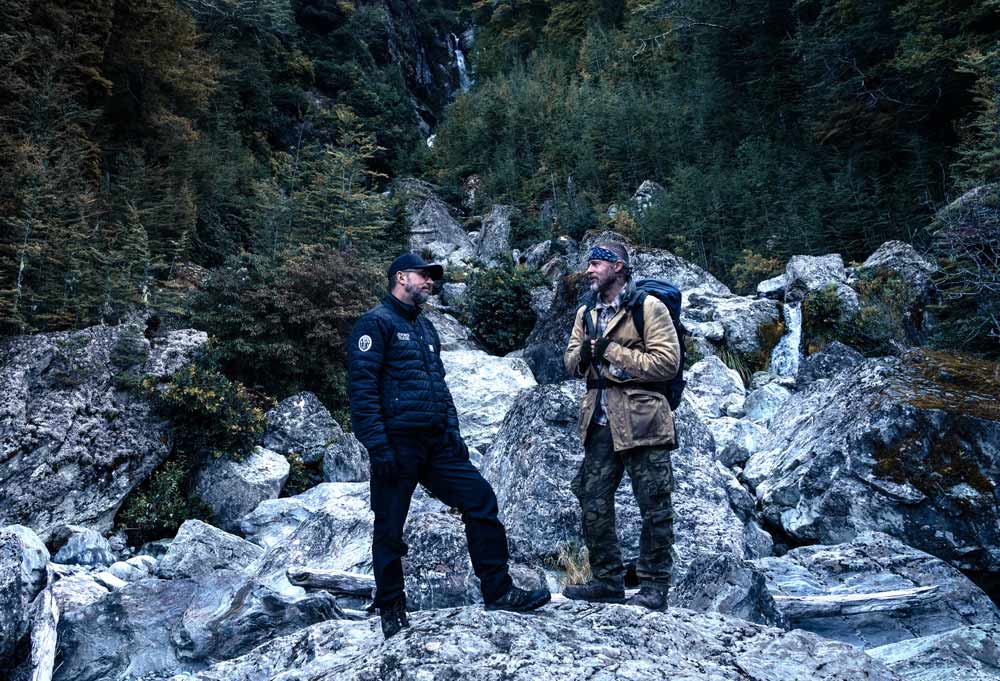
Brad’s latest Plan B vehicle has him breaking one of his own rules — why not, when it is his company? — by starring in the project. Heart of the Beast features Pitt as a retired Special Forces officer stranded in the Alaskan wilderness, with New Zealand’s South Island serving as a convincing stand-in. Directed by his Fury collaborator David Ayer, the film was shot from March to May at locations including Mount Aspiring, Lake Wakatipu, Queenstown, Glenorchy and Milford Sound. Brad teams up with a combat dog played by a local mountain-rescue dog named Uber in a desperate struggle for survival against the elements. The trailer arrived in June, and the film is due in New Zealand cinemas on 24 September.
Will it be a stunning new chapter in Brad Pitt’s career or a so-so footnote? It is hard to say before release, but one thing I do know is that I will be there on 24 September, rain or shine. I have seen too many of Brad’s movies to break my streak now. Besides, it does not matter whether the film is great or filler; I know it will be something that interests me. Brad’s taste in scripts has never failed me yet.
Top Pitt Films
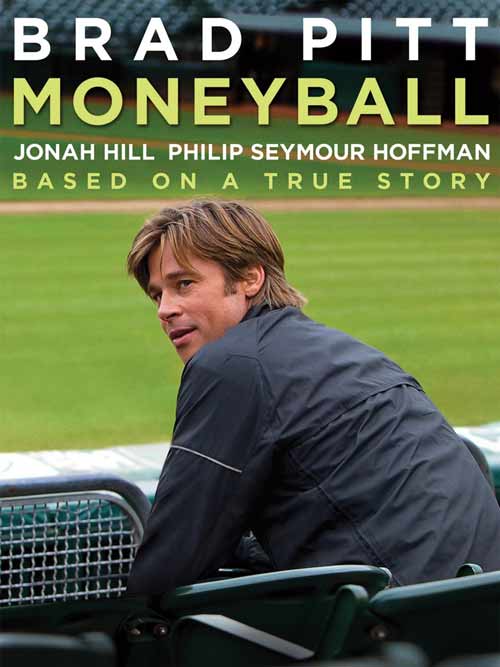
Moneyball
Also wins the prize for most boring box art.
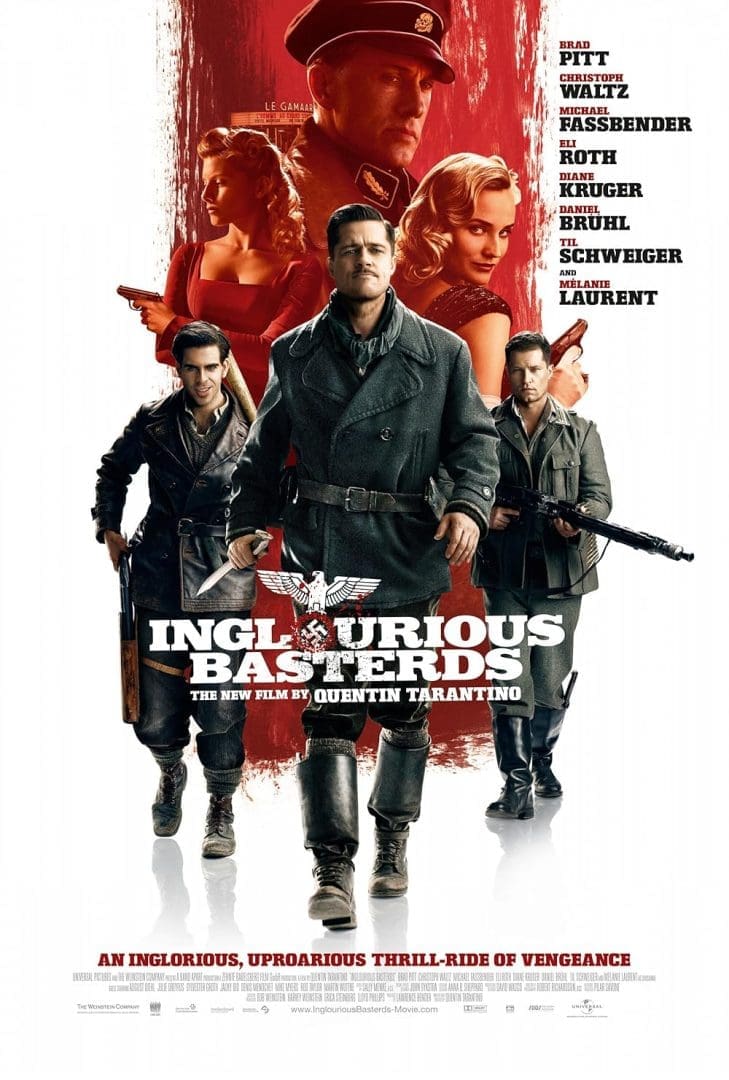
Inglourious Basterds
Bringing back stiff jaws and pencil moustaches.
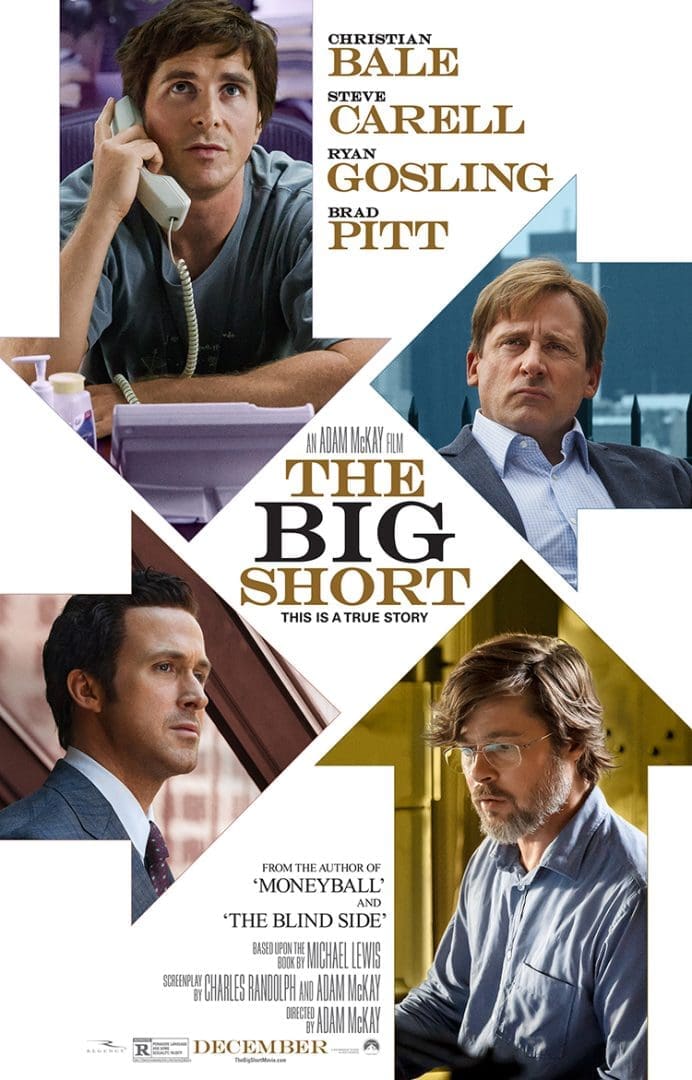
THE BIG SHORT
The only good thing that came out of the GFC.