How Dad Rock Aced Tame Impala
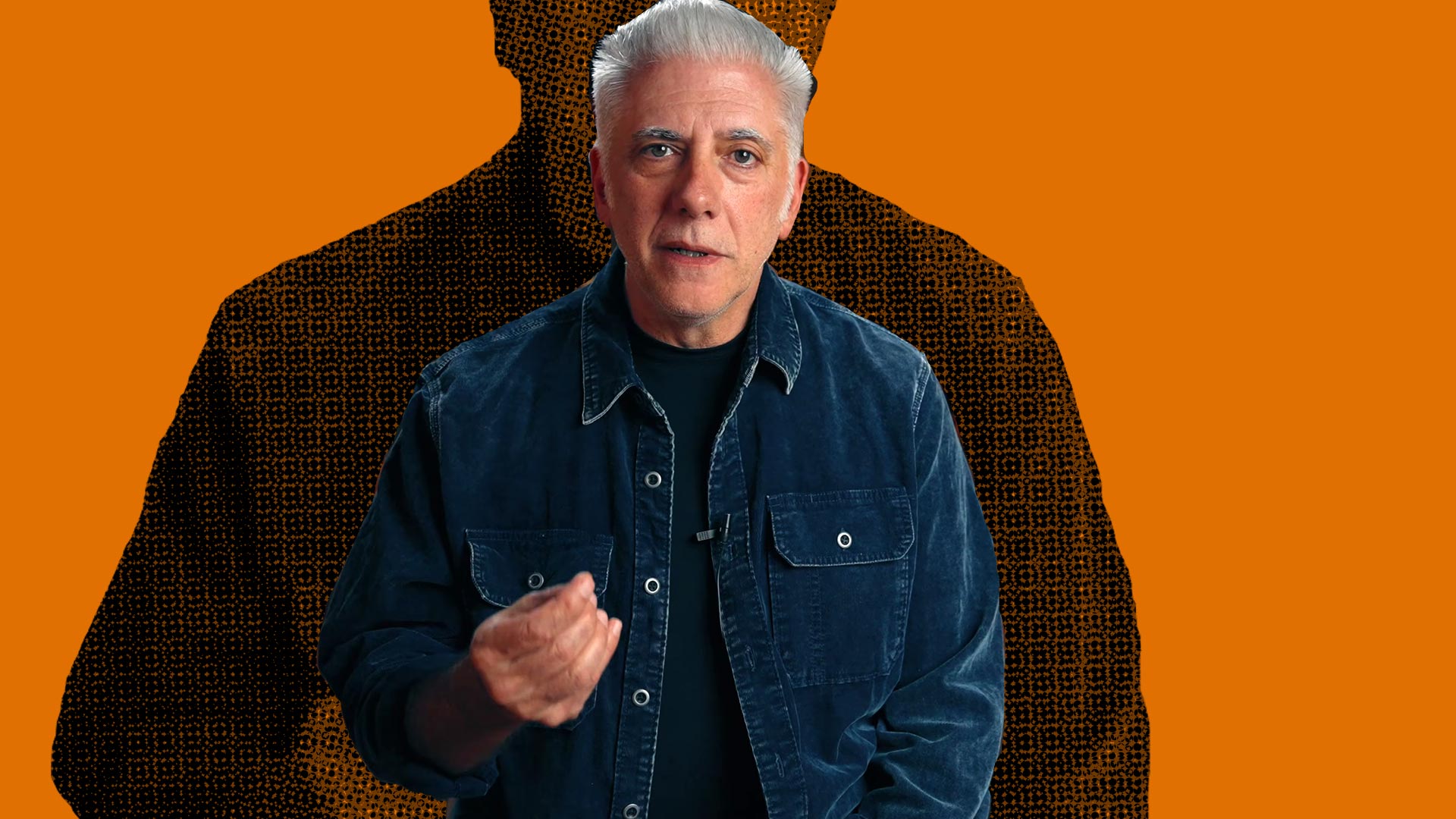
Rick Beato is absolutely serving right now. The grey-haired, 64-year-old American producer, engineer and music educator is now the ultimate Dad Rock icon on YouTube. With nearly 6 million subscribers and over 2 billion total views he leaves serious global brands like Tame Impala, The 1975 and even Foo Fighters in his wake.
So what are his best known tracks? Has he got an Essential playlist on Spotify to check out?
That’s the thing. Beato isn’t a popular musician and was never in any famous band. He’s never been a celebrity, nor been manufactured into one. He was just a music engineer who taught music locally, then created a YouTube channel to share his passion for music. Yet the channel’s popularity has grown to such a colossal extent that now legendary names in music like Sting, David Gilmour, Billy Joel and George Benson queue up to be interviewed by Rick.Huh? Why?
Simply because Rick Beato is just Rick Beato on his channel. He’s not serving this tour promoter or that effects pedal sponsor* and it shows. He’s all about the music and, unlike the music industry as a whole, he assumes his audience is intelligent. It’s a simple formula and hardly groundbreaking – yet, in the context of the ever-worsening grift and pay-for-placement media world surrounding him, it seems almost naively innocent.
Beato’s What Makes This Song Great? series pulls those legendary songs we all know and love apart, isolating instruments, examining arrangements and explaining why the musicians and/or their producers did what they did. And all done with a genuine childlike excitement – I’ve seen him play air guitar along with a riff while wearing a real electric around his neck!
Sure, Beato is not all positivity and light, recently devolving into Grumpy Old Man mode, particularly on such subjects as The Role of AI in Music and Why Certain Publicists Won’t Allow Their Artists on My Show. Beato’s argument is that the biz isn’t taking him seriously enough. That despite his millions of fans drawn from generations raised on albums, musicianship and the personalities behind the records choosing to tune into lengthy discussions on how a record was made, it’s somehow irrelevant. Surely this is precisely the sort of difficult-to-corral Boomer/Gen X audience the music industry ought to be desperate to reach?
I think Beato’s right in that someone somewhere in the music industry at some point decided that growing older = losing interest.
As far as the music biz is concerned, dinosaurs like me are only interested in nostalgia. Apparently all we want are reshuffled greatest hits packages and reunion gigs of our favourite old bands – no matter what ring-ins have been hauled in to fill in on bass and drums. Now that I’ve reached a certain age, all I want is the safe pre-chewed music of my youth.
Uh, well, parts of that are true: I still do like Led Zeppelin, the Rolling Stones and Talking Heads. But I also like Clairo, Laufey and Anderson .Paak. The last gig I went to wasn’t the macabre Joy Division cash grab, it was actually Orville Peck.
I’m not alone on that score either. All my fellow jaded Silver Tsunamites are capable of enjoying Beabadoobee’s latest alongside rehashes of Gary Numan and Chrissie Hynde. A lawyer friend has a King Kapisi ringtone while my real estate agent won’t leave her house without hearing Shake It to the Max first.
Yet that classic old stereotype persists: oldies just wanna relive the past, while the future belongs to the kids, man!
Why?
Part of the answer may lie in how music itself has changed. Back in the day there wasn’t the tech to allow just about anyone to make a garage band sound like a stadium band. Producers like George Martin and Glyn Johns wielded almost supernatural powers to transform bands like the Beatles, the Eagles and the Who into global brands. Later figures like Brian Eno and Rick Rubin focused on helping musicians strip away distractions and rediscover what made their work distinctive.
Now, the tech has basically overtaken natural ability. A good producer can now be composer, arranger, programmer, performer and sonic architect, constructing a recording where the finished sound may be as much the artistic creation as the performance itself. That can still produce work of stunning brilliance – but it also changes what will interest us about how the recording came together.
For music geeks like us, understanding the relationship between musicians like Brian Wilson or Michael Jackson and their music is a big part of the experience. This is where Beato becomes more than a successful YouTuber. He has found a way to make musical knowledge entertaining, whether you like Pink Floyd or Anderson .Paak, and in doing so has exposed the limitations of an industry that sometimes appears to regard its audience as a collection of demographic targets rather than people with enduring intellectual curiosity.
The music industry has always packaged artists and sold identities alongside songs. Usually it works a treat – witness Harry Styles or Justin Timberlake. Sometimes it bombs, as it did with Joss Stone once Amy Winehouse came along. Rick Beato offers something outside the industry’s purview. His audience comes principally for what he knows and what he can help them hear. His expertise is the attraction, not merely a supporting feature of his celebrity.
Maybe that makes him awkward for an industry used to curating the narrative around its artists. Or perhaps the industry just hasn’t figured out how to value a platform whose appeal rests on independent judgement rather than conventional promotion.
Whatever the reason, Beato’s success suggests that older audiences like me don’t just want more nostalgia. Maybe we’re just asking for something the industry has underestimated: a reason to remain curious.
It’s ironic that an industry built on the power of music to move people seems uninterested in understanding why it does. Rick Beato has built a global audience by taking that desire seriously. Who knows if the music biz ever will?
* Okay, so Rick Beato does have a symbiotic relationship with Gibson Guitars, but most of his channel monetisation comes from subscriptions, books and speaking tour engagements.