Haast Hunter, Where Chaos Meets Catharsis
For four-piece New Zealand alt-metal band, Haast Hunter, their journey didn’t start overnight. It began as a dream, had by the band’s founder and guitarist, James Harper, in childhood with a love of music and the strum of a guitar. It sat in the background for years, buried underneath the weight of adulthood, ruined relationships and the daily grind of work. But, as all dreams eventually do (when worked on hard enough) they came knocking.
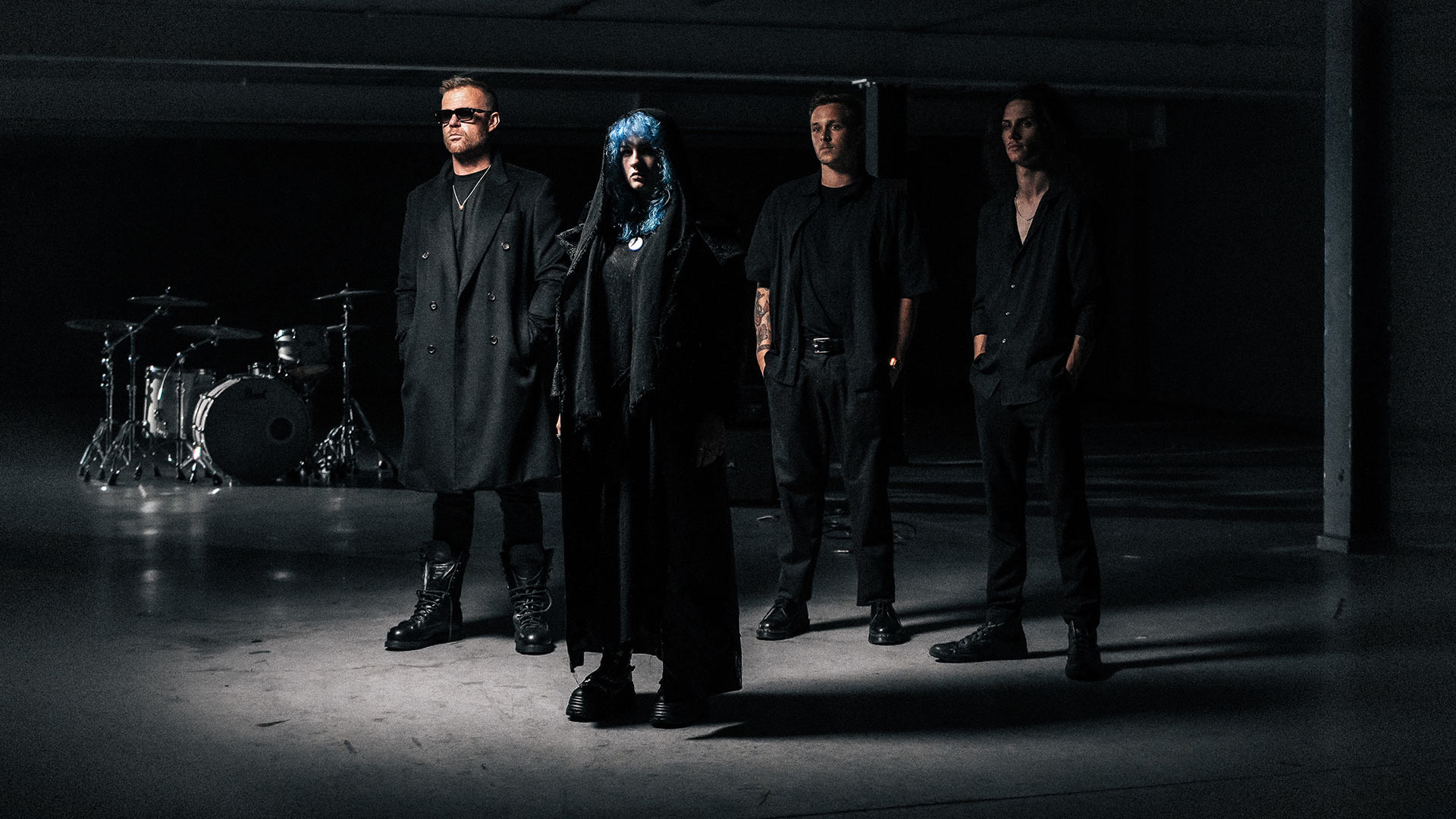
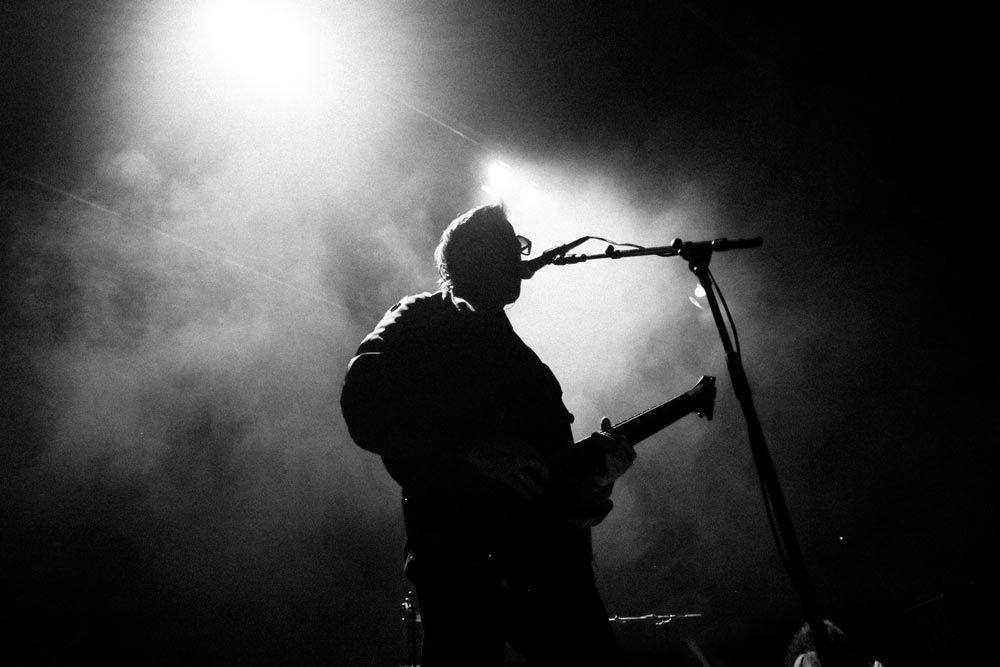
Blending the atmospheric weight of Deftones, Black Sabbath, Sleep Token and Linkin Park (amongst many, many other influences), Haast Hunter has certainly made a name for themselves on the music scene in New Zealand. Consisting of lead vocalist, Sinaea Elizabeth, guitarist, James Harper, bass guitarist Chris Gudsell and drummist Mitch Walker, the band has grown over the years to thrive within the space between beauty and brutality.
For Harper (the band’s founder), he balances his love for music with a job in engineering, where he helps bring other people’s dreams and passions to life, just as he does with his music.
The driving force behind Probase Engineering, Harper has spent more than a decade working in an industry where precision, forward-thinking and practicality are essential. That philosophy also informs his work with Haast Hunter, where he applies the discipline and organisational skills of business to the unpredictable world of alternative metal. Engineering provides structure; music, to him, offers the freedom to challenge it.
The band’s emergence onto the public stage has already brought significant milestones, including opening for Kiwi metal heavyweights Devilskin at Hamilton’s BNZ Theatre. With music videos in the works, live shows on the horizon and fresh material already taking shape, Haast Hunter are building momentum with the determination of a band that knows exactly what it means to chase a dream.
With their debut album, Plastique, which was released in August this year, their sound is undeniably expansive, emotionally charged and ultimately human. Not afraid to get their hands dirty, Plastique confronts trauma, relationships, loss and triumph through the personal experiences that we as listeners share.
We got to sit down with James Harper and talk about his act of making music his catharsis, his business, and Haast Hunter’s debut album.
How did Haast Hunter originate?
Well, we’re going back a while…I went through a pretty big personal breakup and separation over 10 or 11 years ago. Music had always been a passion of mine since I was a child. As soon as I discovered music, I wanted to play it, but it got put on the back-burner for a long time during my 20’s.
I came to a point after the separation where I realised I needed music in my life again. So I picked up the guitar. It was in my late 20’s/early 30’s when I got back into it, and I found a drummer who was available at the time. We’d just jam together once a week, and that was my cathartic therapy for a good five years or so.
I started saying: ‘Man, I actually want to make something of this. This is my dream. I want to start taking it seriously and really going for it.’ So that’s when I started putting the band together. It’s been a work-in-progress behind the scenes for probably nine or 10 years, but it’s only really come out to the public in the last two or three. It’s about finding the right people. I’ve been through about 10 bass players, eight vocalists, different drummers and everything. It takes a while to find ‘your people.’
Some bands form when the members are 20 and just go for it, but it’s taken me a lifetime to try to find the right people.
Engineering and alternative metal seem like quite different worlds. What do you think those two worlds have in common?
For me, and the way my brain works, they balance each other out. If I had too much of one without the other, I don’t think the scales would balance right.
When I’m at work as an engineer, it’s very pragmatic, black and white, structured and routine. Especially with engineering and the type of engineering we do, there are clearly defined parameters. There’s a little bit of creativity, but essentially, you’re in a box.
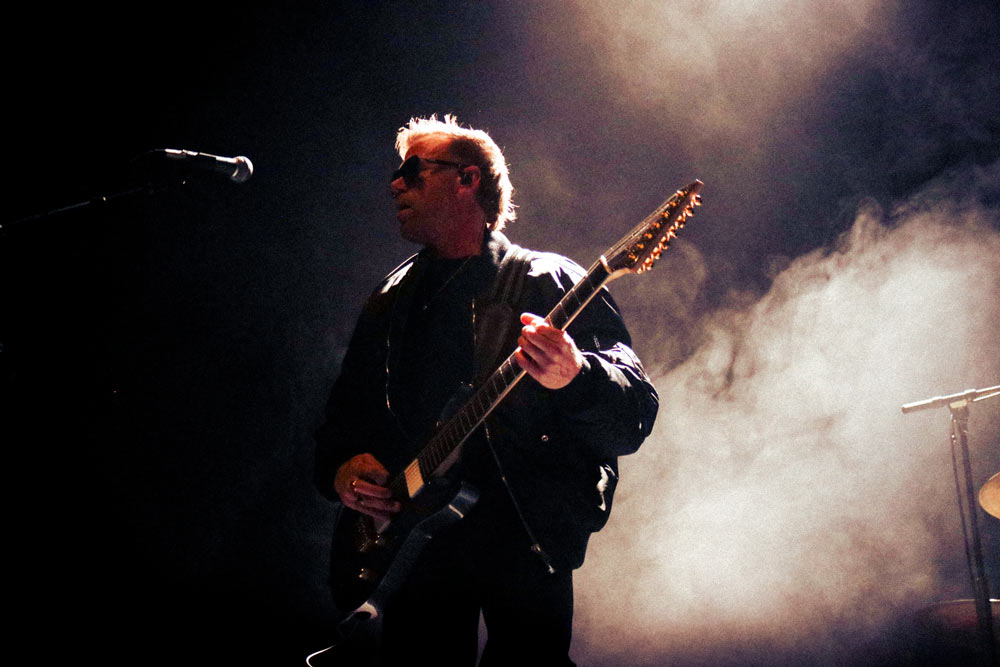
When you’ve been doing that for 12, 15 or 16 years, it can get a bit monotonous. But the people I love within my business are what really keep me going and inspired.
So yeah the two worlds definitely differ when it comes to the band. The band’s my creative outlet, where there are no rules or parameters. While I still apply some business principles, such as structuring band practices and managing our social media and the band itself, there’s also the freedom to throw everything out the window, be wild and let things happen naturally.
You can really give yourself to the process. I think I need that, given what I do every day in engineering. The two complement each other. As for the parallels, it’s the people. I love people. Whether it’s at work or in the band, communication, connecting with people, helping them reach their goals and being part of their success are all things that make those worlds relatable.
You said the business side gives you structure, while music lets you challenge that structure and become a bit chaotic, which is really cool. How do you let yourself switch off that need for structure from the workplace to the band?
Switching off that need for control when it comes to the band is definitely difficult.
Let’s say I’m running the studio sessions…We’re recording, songwriting and collaborating. Sometimes I catch myself being very direct in the studio: ‘Hey, let’s do this part. You do this part. I feel this is how it should sound, etc. etc.’
Sometimes I need to check myself and surrender again. This is a band. I’m not managing three other people. I’m one of four, and we’re all equal. We’ve all got great ideas, and we all need to put them out there, listen to each other and be heard.
I’d say I’m still learning and progressing in that respect because it’s such a collaborative process. Sometimes you need to check yourself and realise that actually, no, I’m not at work. I’m in my own space now. It can work the other way, too. Sometimes at work, we might have engineering or construction problems where being in that free-thinking mode is a good thing. I can think outside the box, see the bigger picture and avoid getting stuck within certain criteria and parameters. I can draw on all my experience and come up with different solutions because of that creative thinking. It’s still churning away in the back of my mind. There are pros and cons to both sides of the coin.
Haast Hunter’s debut album, Plastique, reflects on trauma, triumph, relationships, loss and all the things that make us human. What was it like turning those experiences into an album?
It’s a very raw, confronting process, especially with a song like that. I actually wrote about 80 percent of it, including the production, guitars and structure. When I was working on the instrumentals, I couldn’t hear my own voice on it. That’s when I found Sinaea [Elizabeth], who’s now our vocalist, and asked her to collaborate with me on the song. As soon as I heard her, I was sold. She brought it to life in a new way.
Having her sing lyrics I’d written, and then collaborating on those lyrics together, was a powerful experience. But it’s very confronting to hear all of that reflected back to you.
When you put that energy out into the world, it’s cathartic. It’s a release. You want to dump it out there and move on, but having it reflected back to you, as I say, can be very confronting. It’s been a process of learning how to make it a healthy thing and how to appreciate it.
Who would you say are the band’s biggest inspirations?
That’s what I love about the band, and what I think will define us: we’re all so diverse and have different inspirations. We do have a lot of common influences, don’t get me wrong.
Sinaea comes from the punk-driven riot-girl era of music. Chris, our bass player, is heavily inspired by the ‘70s and ‘80s, with bands like Led Zeppelin, Deep Purple and Black Sabbath. But he’s also into a lot of newer stuff, like Queens of the Stone Age, which I love as well. Mitch, our drummer, loves everything. He’s into everything from metalcore, which is a big influence on our sound, to jazz. I love Deftones, who are a massive influence on me. I’m also a big fan of the nü-metal era, including Limp Bizkit, System of a Down and Linkin Park. That was my music in the early 2000’s when I was a teenager, and it’s had a massive influence on me.
But I also love pop music. I’m into a bit of everything, and that’s what I love about the band. We all throw our own influences into the pot, stir it up and see what comes out.
I’ve been listening to an English metal band called Sleep Token. While listening to Plastique, I could almost hear little influences from Sleep Token…
You nailed that. When I was writing the album, Sleep Token were definitely an influence, particularly in terms of production and guitar work. I still listen to a lot of Sleep Token, and they were very much on my Spotify playlist at the time. I can definitely hear that influence coming through. You nailed it. I love their new album, and I love their older stuff, too. I was lucky enough to see them live last year, I think. They opened for Bring Me the Horizon over there, and they were still just taking off. They had a small set of about five songs, but I was blown away. They’re great. I love them.
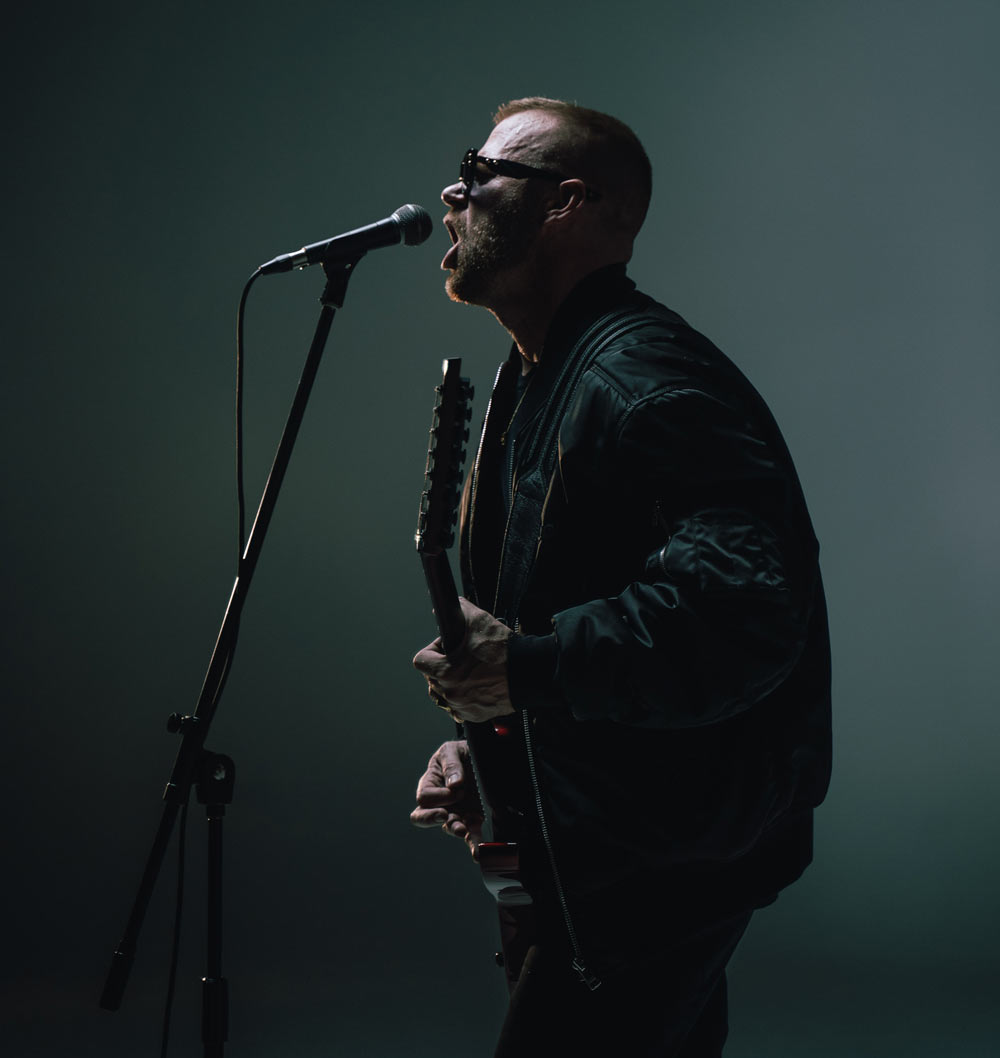
Going back to your engineering background, nurturing a company and building a brand can both come with setbacks. How have failure and criticism changed the way you approach music?
I adopted a saying a long time ago, although it took me a while to get there: Win or learn.
There are no failures or losses. Either you win, or if something results in a loss or failure, you learn from it. That’s something I learned in business a long time ago, so I applied it to music straight away.
With music, it’s about being relentless in our art and doing what we love. If other people love it, that’s a bonus. If they don’t, that’s on them. We’ve got to stay true to what we love because we’re the ones who are going to have to play it all the time. If it’s not real, sincere or authentic, people will figure that out pretty quickly. I think that applies to business, too. People can tell when you’re bullsh**ting, being dishonest or failing to be transparent.
You’ve got to be completely yourself and honest with people, especially in engineering. When you’re involved in building someone’s house, you’re dealing with their livelihood. It’s something they’ve worked their whole lives to achieve, and they’ll be paying it off for a very long time, especially with mortgage rates.
It’s about being real, authentic and human, rather than becoming detached from the human experience of building. It’s easy for an engineer to get lost in calculations or drawings and forget that we’re here to provide a service and bring someone’s dream to life.
Be human and make it a great experience. I think the same applies to music. Be human and be great.
What’s Haast Hunter’s creative process like?
I’ve been trying to practise more making inspiration happen rather than waiting for it. It’s about getting into that flow state. We’re all creatives…Sometimes you just don’t feel like doing it. You’re not inspired, and that’s okay. I’ve read somewhere that the creative spark can be like a muscle. I’m not taking credit for that idea, but it’s something I’ve been trying to apply. Every day, I’ve been trying to write something.
I’d love to describe myself as a songwriter rather than just a vocalist or guitarist. That’s what I want to be known for because that’s my art, and I love it.
With the creative process, about 90 percent of the time, as was the case with Plastique, I start writing at home in my studio. I’ll feel something, go in there and tell myself, ‘I’m going to write.’
I don’t even record anything initially. I just start playing guitar, finding a rhythm and feeling a vibe. Eventually, I’ll think, Okay, I’m onto something here.
I usually like to have some synths, layers or other elements around the first riff or first few bars of guitar. It helps me paint the picture a lot more. From there, it grows. I’ll develop an intro, a verse and a chorus hook, then put together a rough structure. I’ll get nearly 80 percent of the way there at home before sending it to Mitch, our drummer. I’ll say, ‘Here’s my idea, man. What do you think?’ He’ll record some drums, send them back to me, and we’ll go from there.
As that happens, lyrics usually start coming to me. I’m hearing a theme and getting a sense of the direction we’re heading in.
Now that Sinaea is on board with the vocals, she’s involved throughout the process and has a lot of creative input. We also bring in Chris on bass, and he adds his own ideas.
I’ll set the mood, establish the idea and put it out there. Once everyone gets on board, it becomes a very collaborative process through to the end. But a lot of it starts with me in the studio by myself, pushing through and making something happen.
I could show you my phone. I’ve got about 100 ideas that will never make it onto an album. Sometimes you just have to keep going. I might spend an hour playing guitar or trying to sing, and it won’t be until the 59th minute that I find something. It’s a hard hour. You’re not feeling great, everything you write sounds wrong, and you might record something quickly, but you’re out of time, the rhythm’s off, and you’re just not capturing it. You’re not in the right place. But you keep pushing. Suddenly, three hours have passed, and you’ve got a song. I live for that. Once you see creativity as a muscle, you realise that while you’re working for it, you’re also allowing the magic to come to you. You’re saying, ‘Look, I’m open. I’m working. I’m welcoming this.’
Do you guys have touring plans for Plastique?
We’ve got a few at the end of the year and more coming up early next year. We’re putting our feelers out there. We had that big show opening for Devilskin at the BNZ Theatre in Hamilton a while back, which was an amazing experience. There are a lot of shows coming. It’s something we want to do a lot of. We’re already writing more music. We’ve got about five or six songs ready for the next album, or at least ideas floating around, because we want to keep the momentum going and keep putting stuff out there.
We’ve also got more music videos in the works and more content to create. We’ve just got to be relentless with it all and keep pushing.
What has been the best piece of advice you’ve received?
For anything, whether it’s music or life in general, I’ll go with a cliché that I probably use too much: ‘It is what it is.’ I know I’m not leaving you with anything particularly profound, but that’s the first thing that comes to mind. Sometimes you can overthink things or keep asking why. Another saying I use is, ‘Less time understanding, more time accepting.’
Sometimes you can drive yourself crazy trying to understand someone else’s actions, why something happened to you in business or why something didn’t go well. But sometimes you just have to accept that it happened. It is what it is. Keep going. If you spend all your time looking back, you’ll never know what’s coming when you look forward. So those are a couple of pieces of advice: ‘It is what it is’ and ‘Less time understanding, more time accepting.’ I look forward to what’s coming.
Balancing engineering and music keeps you sane, you said. If you had to choose between the structure of engineering and the freedom of music, which would you choose, and why?
If you had to choose, what have we got? Structure versus chaos: engineering versus music.
We’re creative, and I’ll choose chaos every day. What I mean by that is that I love my job. I love engineering, and I love my people. But I fell in love with music when I was eight years old. I didn’t fall in love with construction when I was eight years old, you know what I mean? Music has never let me down. I’ve had people come and go in my life, family members come and go, and relationships end. But music stays with you. It expects nothing from you. It doesn’t judge you, but it’s always there when you need it.
So I choose chaos. I choose music.
What is your definition of success?
Success is simply living a fulfilled life. You’ve got to find your ‘why’. That could be anything. It doesn’t matter if your ‘why’ is walking the dogs every week, cooking a meal for your partner in the evening, going to the gym, playing music or cleaning cars. Whatever it is, success comes from finding fulfillment.
That’s success. I’d give anyone that advice if they asked me what they should do with their life: find what gives you fulfillment. Once you figure that out, find a way to do lots of it. When you do that, that’s success.