
Ferrari F1’s oldest team
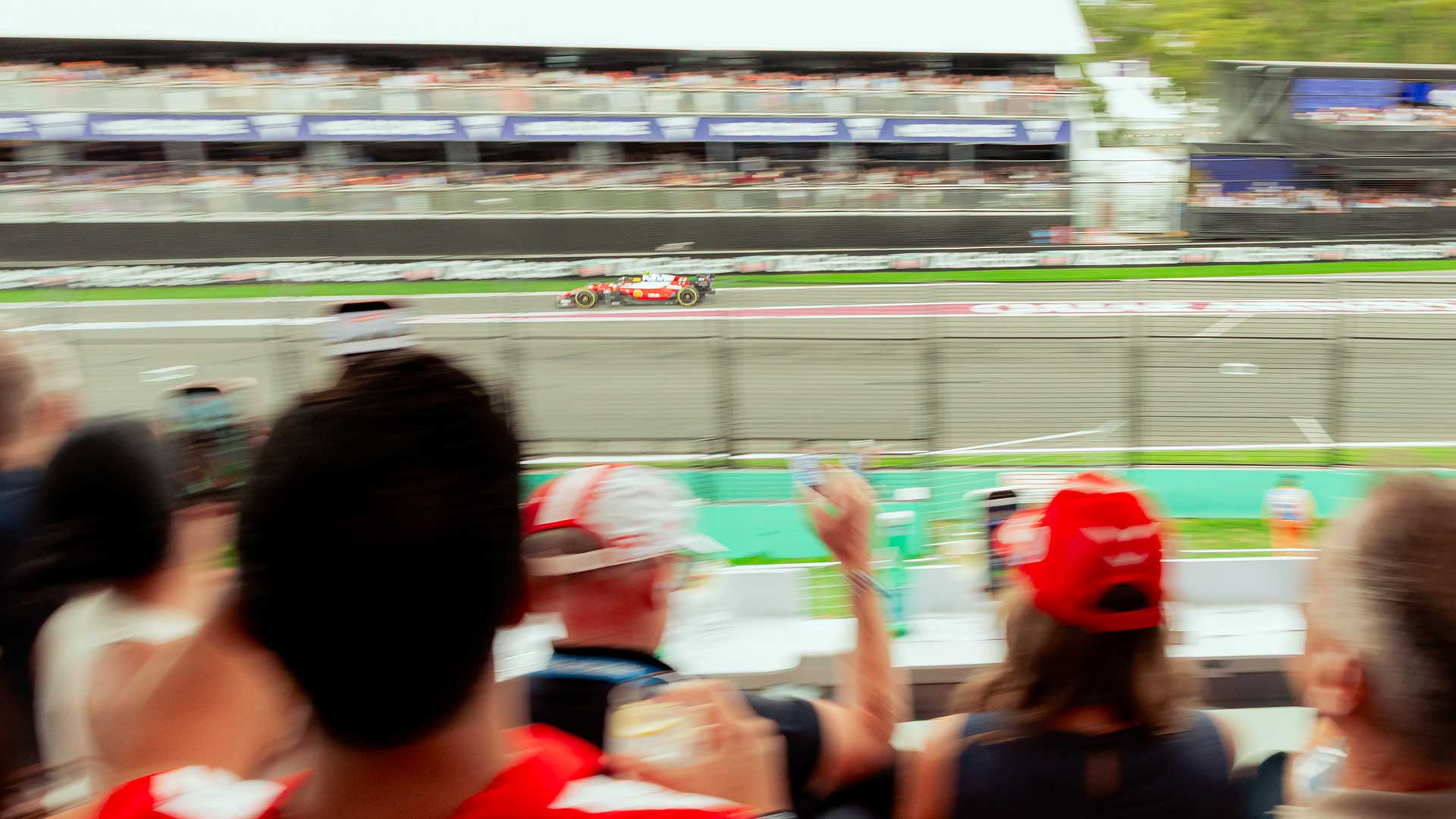
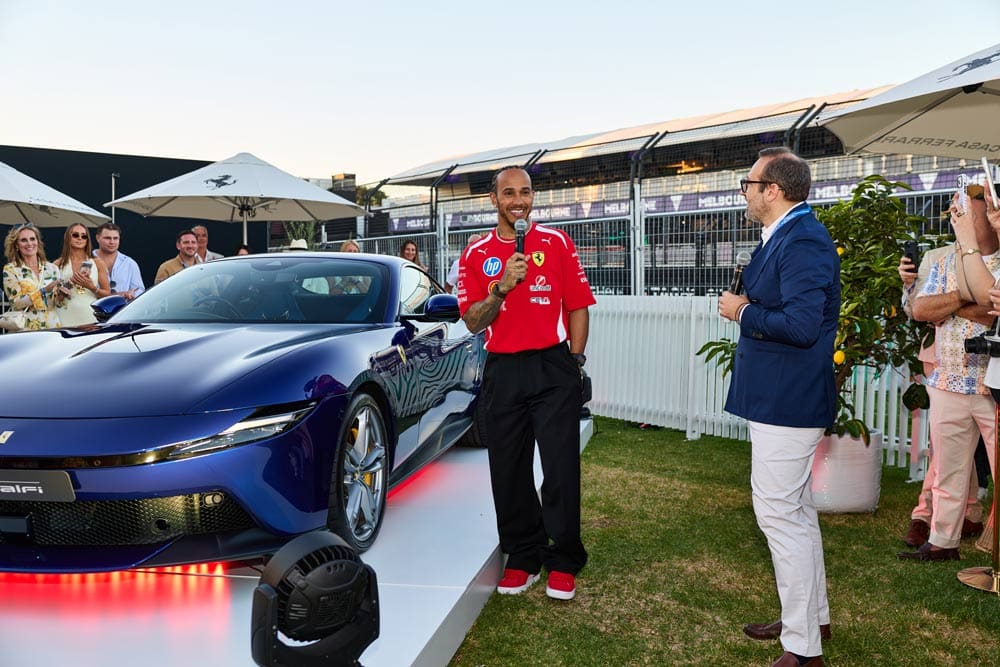
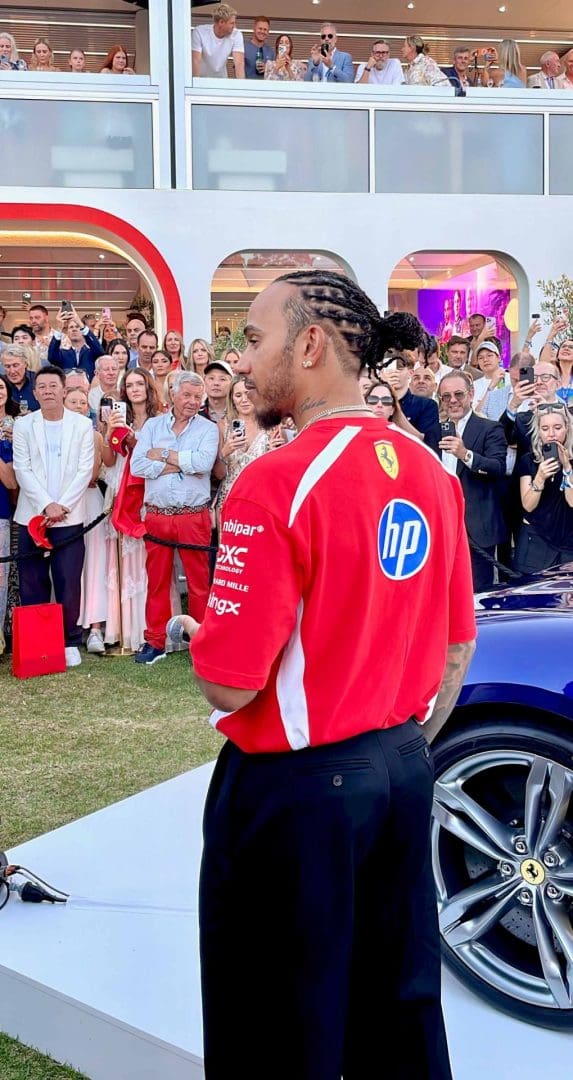
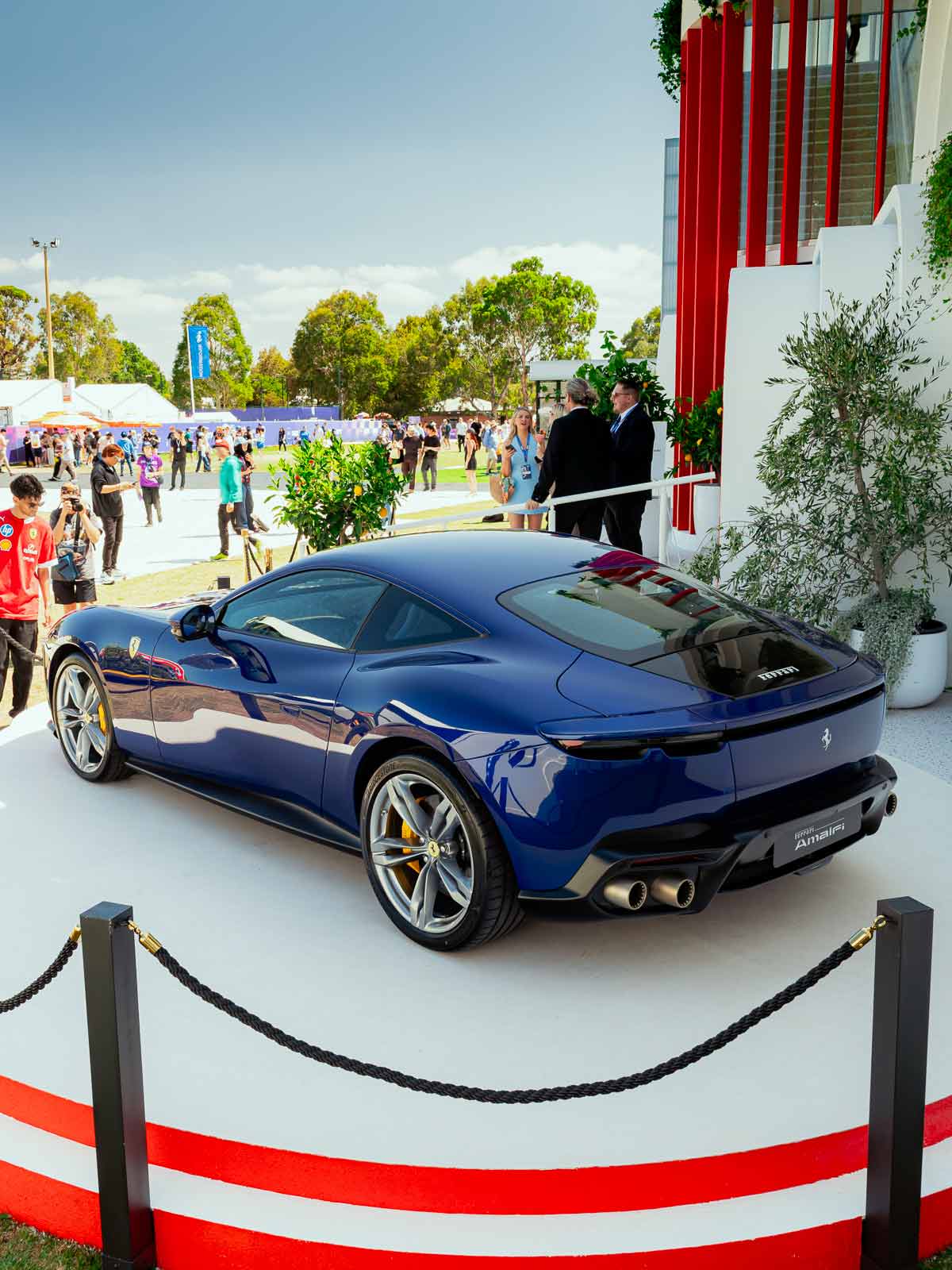
I had the honour of joining Ferrari for two events at Casa Ferrari at the Melbourne Formula One Grand Prix. Situated on the main straight – the view was stunning, as was the hospitality. Thursday night cocktails made quite the event, especially when you are joined by F1 team boss Fred Vasseur, and seven-time world champion Lewis Hamilton for the release of the beautiful new Amalfi road car.
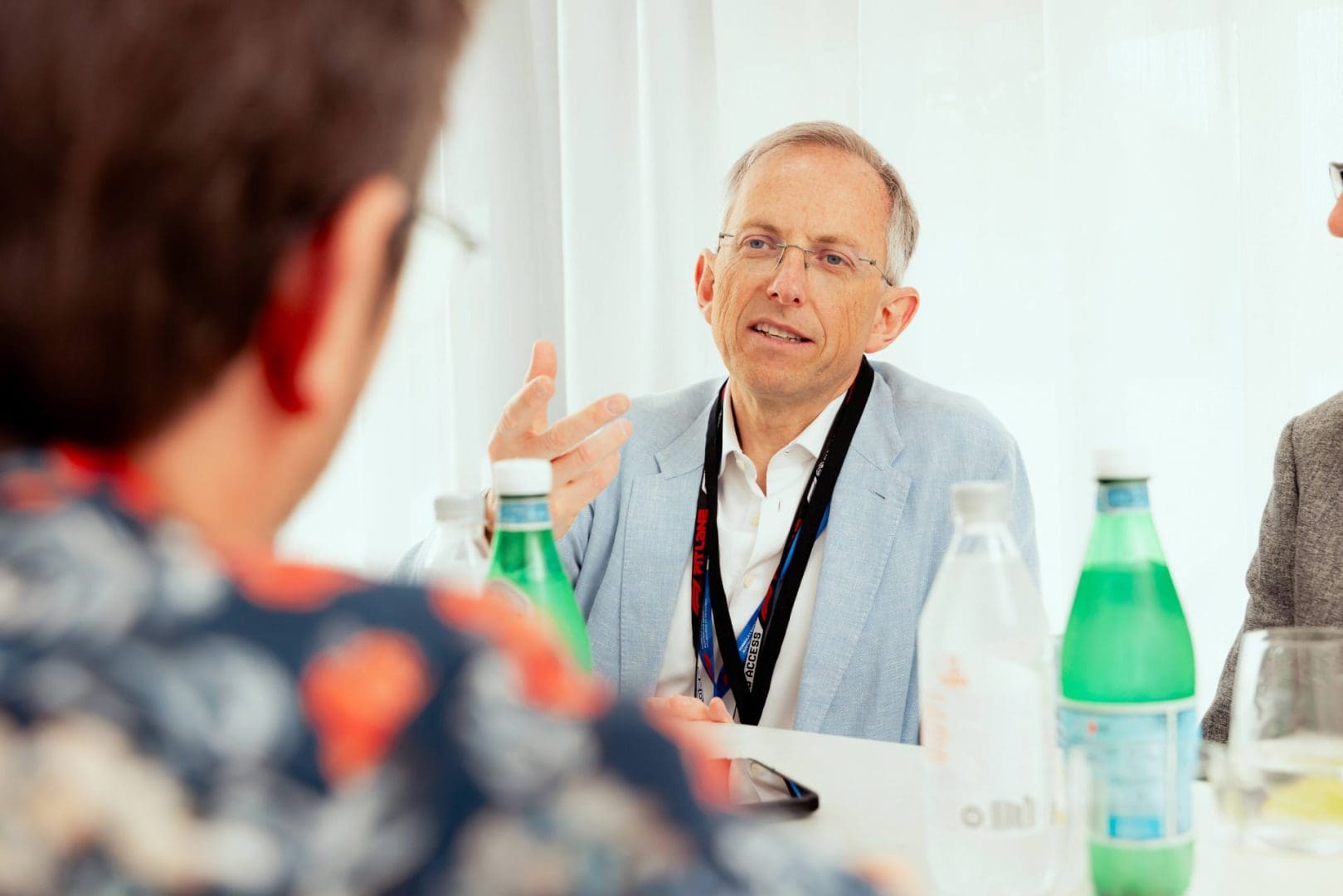
Sunday morning brought the opportunity to interview the Ferrari CEO. Benedetto Vigna is an enigma. Appointed in 2021 – he is blessed with a sense of humour that spans multiple languages, and a twinkle in his eye lets you know there’s a lot going on in his mind. His descriptions and explanations defy and exceed expectations. A degree in sub-nuclear physics, holder of 200+ patents from a career in microelectronics, yet now he’s running arguably the biggest brand in the world – although few people would argue that point – and the oldest and most successful F1 team. Within minutes it’s clear why Vigna is heading Ferrari – he’s not only smart, he’s exceptional. He bounces between logic, emotion, style, passion and functionality, all while putting you at ease, and making time fly. Scrawling constantly, he makes more notes than the three journalists put together.
Tell me, what led you into a car career? When did you develop a love for them?
I am from a small place in the south of Italy. In the 1980s, when I was a teenager, there were not many technological things, because the PC did not exist, the mobile phone was not mobile. The most technological things were the TV and the car. The TV you could not touch, because of high voltage. The only thing you could have fun with was the car.
Once we took a Fiat 650 CC. We cut it down and we made it Spider (convertible). At that time, teenagers had more freedom than today. My uncle – a car enthusiast – was always dismantling and rebuilding cars and so when I was 12 years old I started repairing motorbikes. So for an Italian, if you were interested in technology, the car or motorbike was the most technological thing for that time.
Benedetto points out that you could work just for money, but when you do something you love, it’s very different. He clearly loves cars.
Tell me how you think about the history of the company:
We are a company with a strong asset – our history, our heritage.
We need to know our history not because we want to live in the past, but because we want to interpret it for the future, with new eyes. Take the steering wheel of the (new electric) Luce. It takes in all the language from the cars of the ’60s, and yet it reads with new eyes, with the technologies (and materials) of the future.
And in high-tech, the past, the tradition is a burden – legacy is a bad word. You never hear a high-tech company being proud of what has been done. Who cares? Yet in luxury, you take the past, this heritage and study it.
How do you plan for the future?
I think about the future, but not too much. If you plan too much, you imagine things that most of the time are not true. It’s good to imagine yes, but not to waste too much time. You look at the present, and grow within it.
We get on to the topic of change and how he and the brand approach it.
There are three things that scare us all. DNF, like, “did not finish”.
D. Whatever is Diverse or Different.
N. What is New.
F. The Future.
Each one of us is scared about these things.
Our founder was 49 years old, right after the World War. The roads were unpaved. And he said,” Okay, let me make a 12 cylinder car.” And everyone was calling Mr. Ferrari the crazy man. “You will not make it. You will fail. “ they said.
The reality is the innovators see reality with different eyes. Yet innovation is not democratic. Not all the people see it. The responsibility of a market leader is always to let the people feel more comfortable with new things. This does not mean that whatever you do will be 100% right. You have to take some risk and you have to be able to manage that risk. Consider all the dimensions, and then move forward.
How does Ferrari approach innovation?
There are three ways to do innovation.
There is technology push.
Then there is market pull.
And then there is emotion driven innovation. I believe it is the most important. You start from the client, and discover their most important needs.
He notes that the client can’t always express their needs, you need to interpret them.
Remember, when the client is asking it probably means someone else offered that thing to them first.
There is a nice quote from our founder, “To those who come after me, I leave a simple inheritance. To keep alive, the will to progress, pursued in the past. ”
The high-tech space moves so fast. Think about this. 1947, the transistor was one individual cube.
Vigna makes a small shape about 5mm cube.
Now, that transistor is a billion times smaller. Why? Because people have been working together. People in the companies, people, along this project. When you work with different people, you see the reality from different points of view.
Vigna describes how they have regular technology days where people come from all over the world and they mix them all together to get ideas flowing. “It’s unbelievable how many new things we generate,” he says.
For us, the client is the most important thing. It does not matter which technology you use, if you deliver something people love. It is impossible to stop the development of technology. It is impossible to pretend you control the reality outside you. It’s a waste of time. But you don’t sell ‘technology’ – you sell something that wakes up unique emotion.
A boss in my previous career told me something important.
“Benedetto, Time To Market is important, yes. But Market In Time is more important.”
You need to envision something, but you need a (delivery) date, otherwise, you are not a leader.
Tell us about electric Ferraris?
Honestly, I did not think about cars becoming electric.
People say, “I will become your client if and only if you have an electric car.” Clients often say this because they want to be consistent with the messaging to their children.
What is important is that on this electric Luce, we do something that is unique. We don’t do gadgets though, we don’t do a mobile phone on four wheels. It’s something that is done for the people.
Now say we don’t have clients asking for electric.
I could say “Let’s save money.”
But who will push this world forward? It’s the leaders that have the courage, and responsibility to push forward innovation. I feel it.
I think it’s important. We have the responsibility in front of the world and inside the company.
Now we have ICE, we have hybrid, and we have electric. The client can pick what they want.
Vigna talked about sustainability a lot, in all aspects of the cars and our wider discussion
For us, overall, sustainability is important. Sustainability in the way we work, we are a strong believer of it, we are cutting emissions in the operation and the supply chain. If you come to Maranello now, you see a lot of solar panels. And we don’t buy anymore fuel gas.
He makes the point that sustainability goes way beyond looking green, it goes to the heart of a company that can continue to run, do things well, be kind to the Earth etc.
“This is fundamental” he says, “profit-wise, people-wise, planet-wise.”
Ferrari goes beyond engines and cars now, tell me about the broader brand…
Ferrari was addressing a broader lifestyle for a few decades through licensing. Lifestyle was there, but it was more fragmented. We were doing merchandising. So there was a kind of friction, a mismatch between the kind of car we offered, and the goods.
Now Ferrari wants to elevate the brand experience, the whole lifestyle, creating things that are more consistent with the brand.
He highlights how the lifestyle side amplifies the brand, now some of the same people who have been stitching beautiful leather seats are now making beautiful leather handbags. Many of the skills are shared across different areas and he clearly loves the idea of Ferrari as a holistic lifestyle.
We brought on board people who are very knowledgeable. We positioned them in Milan (Italy’s fashion central). Because Milan is the right place, and this is becoming more and more meaningful for us.
Our 3 latest cars (Luce, F80, 849), shared one point: the degree of innovation.
There are three dimensions that are not negotiable:
Number one is the degree of innovation.
Number two, in the personalisation.
Number three is the experiential dimension.
Then the base is all about being sustainable.
We’re sitting here at the Formula One. Ferrari’s always been led by racing. Can you talk to me about how racing and performance leads the rest of the brand?
It’s a platform to enlarge our client base. Formula One is important for engaging this generation. The new generation is paying attention to some things where an older generation did not care.
Business is like a marathon, not a sprint race. Because otherwise, you optimise the short term and forget the long term picture. I would suggest each company has a sporting team in the organisation. Because when you have a team in an organisation, you remember something that is very important, that you have always to be ‘four wheels on the ground, with the feet on the ground’.
Because in sport, many things can change fast. It’s an advantage to understand that. A team understands the value of time, the importance of not becoming arrogant. When you are too successful, you can forget you have to earn success every day.
You cannot take it for granted.
The most important meaning of F1, like hypercar and hypersail: because we have to push, we have to define the limit of possible. There are many benefits. You develop technologies: The motor in the Luce has been developed in F1 over the last 15 years.
That’s the purpose of our company, “To audaciously redefine the limits of possible”.
Forty minutes are done before we know it and we wrap up, Vigna is etching notes and diagrams for us as we leave.