
Inner Mongolia Steps Up
Within the Xilingol Steppe in China’s Inner Mongolia region lies a C-shaped extinct volcano that erupted around 150,000 years ago. It is one of 108 volcanoes in an area rich in natural resources. Roam far enough and you will find an extraordinary mix of wetlands, forests, lakes, steppe and seasonal snowfields.
Apart from the local herders who pass through, the first substantial signs of development appeared in December 2025, when the first phase of the Baiyinkulun Steppe & Volcano Tourism Resort was completed, including a visitor centre and guest lodges. Its extraordinary views make it well worth a visit, particularly for Kiwis accustomed to rolling green hills and lush bush.

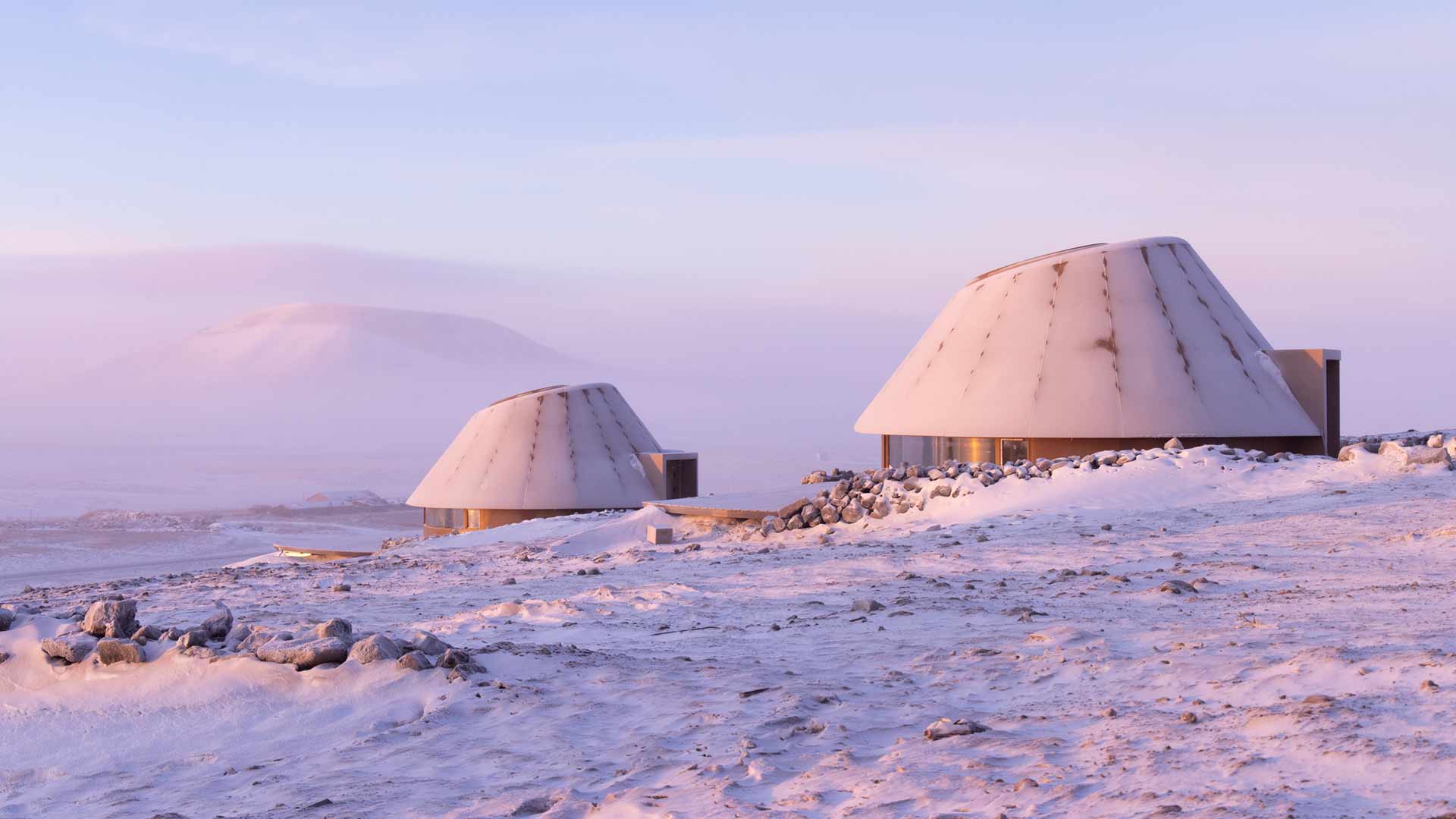
Chinese architecture firm PLAT ASIA is responsible for the otherworldly design. The visitor centre is formed around a single, winding, 274-metre-long corridor, staggered and tiered to follow the landscape rather than gouge into it.
Temperatures in the region can fall as low as −43°C, accompanied by huge snowdrifts and driving winds. The architecture has been designed to withstand these conditions while blending into the landscape. Each hotel unit includes a guest suite, terrace and snow-barrier wall, with a full-view window. The three window types are an oval skylight, a horizontal scroll window and a hanging scroll window, with dimensions inspired by traditional Chinese painting.

Eight kilometres southeast of the hotel are the Yingchang City Relics, which inspired the architects throughout the design process. The region is also associated with the Hongshan culture, one of China’s earliest prehistoric cultures, dating to around 4700 BC. Some of the earliest evidence associated with feng shui has been found among its surviving artefacts. The culture also had a strong tradition of ancestor worship that influenced later Chinese culture.

Although much of the area now feels desert-like and inhospitable, scientists have found that it was once lush before a changing climate transformed it around 4,500 years ago.
As destinations for volcanic tourism go, this is one of the newest, with some of the oldest stories to tell.

