
The Long Game: Why Property Still Rewards Those Who Think Differently
Property investing is getting a bit of a beat-up at the moment. Interest rates have reset expectations. Lending is tighter. And some economic experts seem to be having hernias about the future of property.
But cycles have a way of distorting perspective. When markets soften, it’s easy to forget what made them powerful in the first place. Strip away the noise, and the underlying truth remains unchanged. People will always need a place to live. And for decades, property has been one of the most reliable ways ordinary Kiwis have been able to create extraordinary financial resilience.
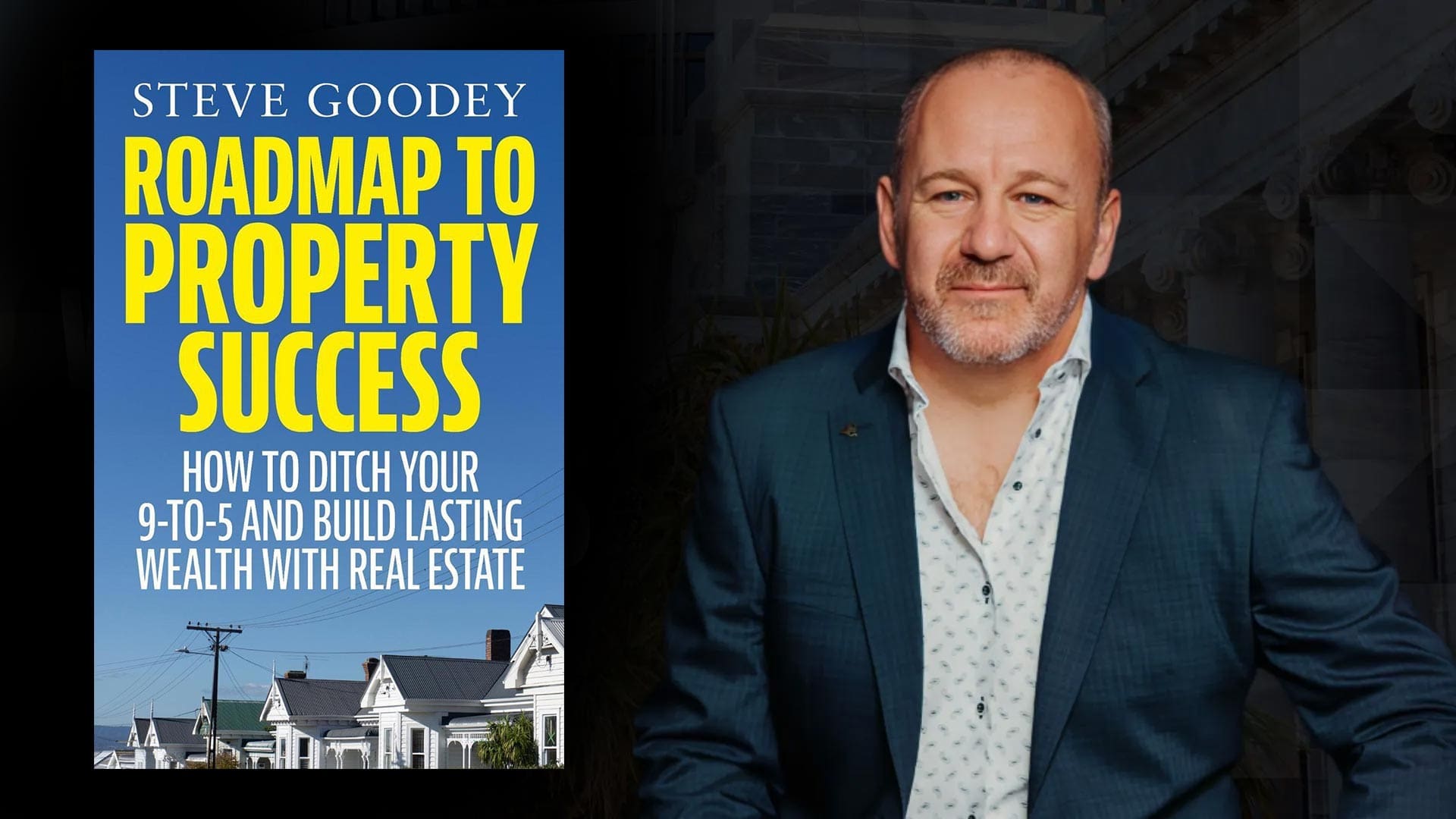
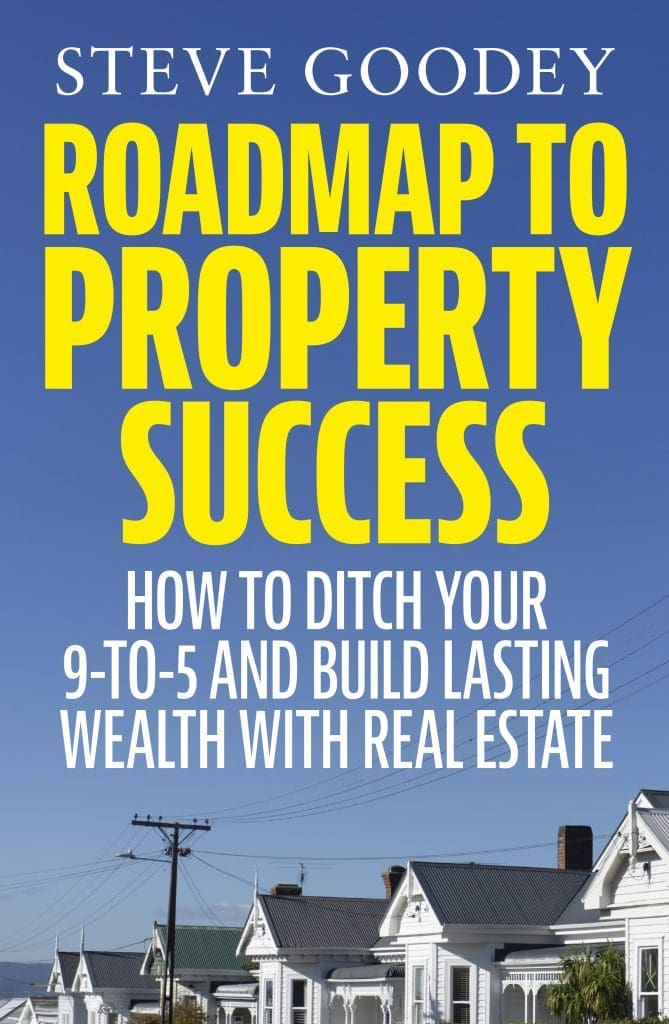
That’s the premise behind Steve Goodey’s new book, Roadmap to Property Success, a guide built not on theory, but on lived experience. Goodey has been a full-time property investor since 1999, building portfolios across residential and commercial sectors, navigating multiple market cycles, and learning first-hand the mechanics of long-term wealth creation. What makes his perspective important now is practical realism.
“I don’t really believe in getting rich quick,” Goodey says. “I’d rather become rich for sure.”
Property has never been about speed, it’s been about consistency, the discipline to hold through uncertainty and the understanding that wealth is rarely created in straight lines.
This is particularly relevant in the current environment. Markets move in cycles, but sentiment tends to exaggerate both extremes. When prices rise, people assume they’ll rise forever. When they soften, people assume the opportunity has passed. Warren Buffett’s famous line feels as relevant to property as it does to equities: be greedy when others are fearful, and fearful when others are greedy.
Goodey’s own career reflects this mindset. Over more than two decades, he has seen firsthand how cycles unfold, and how those who remain focused on fundamentals rather than headlines position themselves differently.
“Short of winning Lotto, the systematic acquisition of property is one of the surest pathways to financial security there is,” he says.
What his book does particularly well is demystify how that actually happens. Rather than abstract principles, Goodey breaks wealth creation down into practical components: capital growth, leverage, and control. The structural advantages unique to property. Leverage allows investors to control larger assets with relatively modest initial capital. Capital growth compounds over time. Control allows owners to improve, optimise, and influence outcomes in ways passive assets don’t allow.
It’s this combination that has allowed property to play such a defining role in New Zealand’s economic story. And while, landlords have been turned into a political and media football at times. For many, property was never about speculation. It has been about security and a way to step beyond reliance on income alone and build something durable.
Goodey is also realistic about the challenges. Property investing isn’t passive. It requires learning. Decision-making. Resilience. Building wealth through property, he writes, involves “a great deal of resilience, stamina, and just plain stubbornness.” But that’s also what makes it powerful.
Unlike many financial assets, property rewards effort. Investors can improve assets, increase income, refinance strategically, and build momentum over time. Each step strengthens the next.
One of the book’s most useful insights is its focus on cycles. Goodey outlines how the New Zealand property market moves through phases of recovery, boom, recession, and correction. Understanding where you are in that cycle changes how you act. It shifts the question from “Is now the perfect time?” to “How do I position myself for the next phase?”
That shift in thinking is often what separates investors from observers. Because ultimately, property has always rewarded those willing to think beyond the immediate moment.
Goodey’s core philosophy is simple. Buy well. Hold long. Learn continuously.