
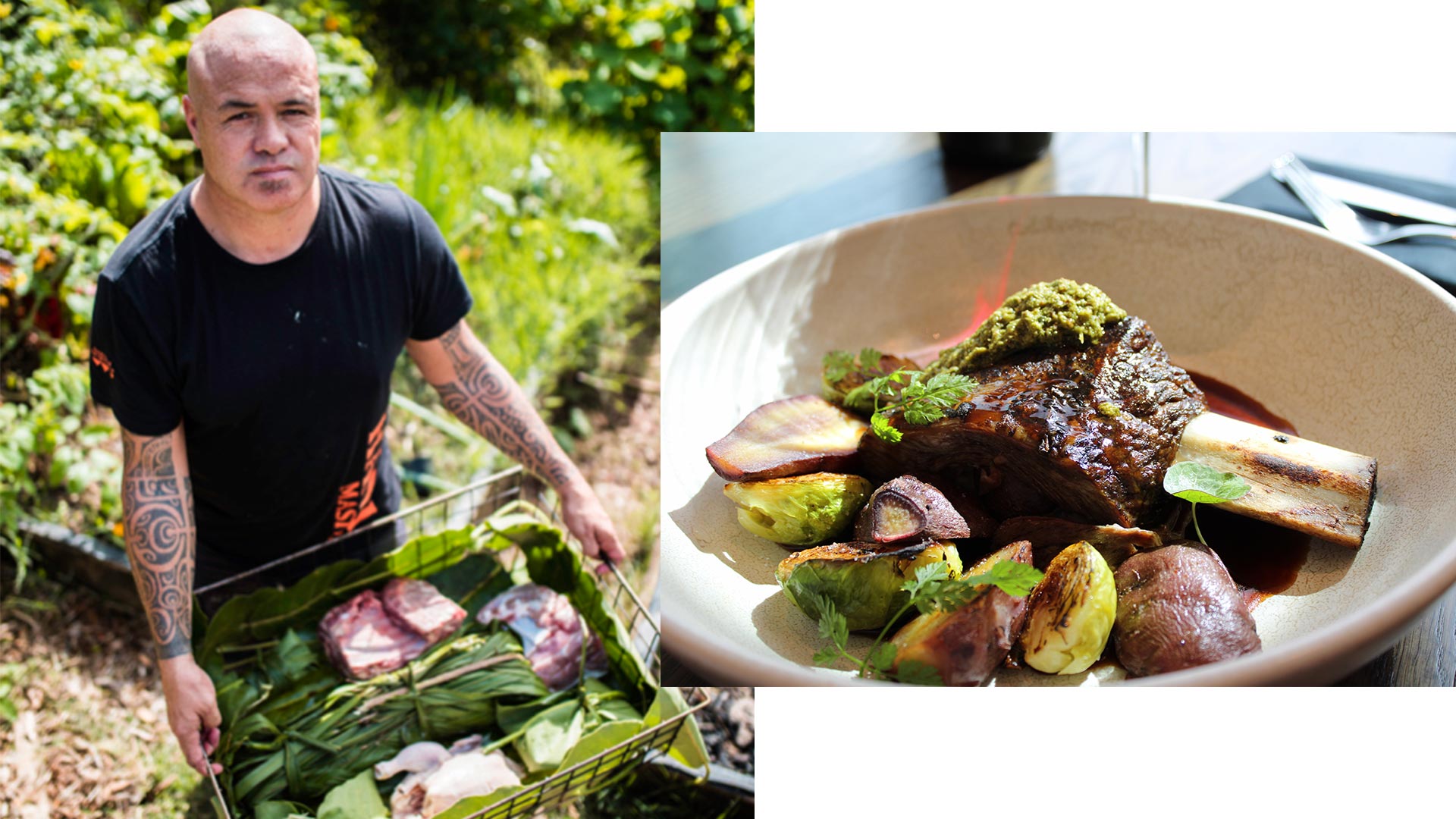
Bringing Hāngī to the World
Earlier this year, while visiting his father-in-law’s seaside village of Lavos in Portugal, Hāngi Master Rewi Spraggon cooked a hāngī for about 60 members of his Portuguese whānau. The feast combined local ingredients with familiar hāngī staples: rabbit marinated in red wine, duck with mandarin and local beer, and pork and chicken brined with salt from the area, alongside kūmara, potatoes, pumpkin, cabbage stuffing and burnt-sugar steamed pudding.
Spraggon described the gathering to the New Zealand Herald as “a true experience of Aotearoa’s soul food”. The meal showed how hāngī can travel: its smoky flavour and communal spirit can meet the ingredients and traditions of another place, while its origins remain clear. As he puts it, “Hāngī has always been about bringing people together: it’s a communal act, a celebration and a way of showing mana to your guests.”
Spraggon has cooked hāngī in destinations including Las Vegas, Hawaii, Japan, Canada, Tahiti, Rarotonga and Adelaide. His hāngī dumplings are another way he is taking the tradition to the world. They bring the smoky flavours of hāngī into a form that can travel beyond the earth oven and the large gathering, introducing new audiences to Māori kai. He has also collaborated with chefs such as Peter Gordon on Tohunga Tūmau, a Matariki event celebrating Māori cuisine.
The purpose is not simply to make hāngī novel. Hāngi Master’s kaupapa is to honour hāngī masters of the past, present and future, and to help bring traditional hāngī back into everyday life in Aotearoa. During the Auckland floods in 2023, Spraggon and his team continued preparing about 1,500 meal packs a week for people experiencing homelessness, with hundreds more meals provided for people affected by the emergency. Feeding people, as well as sharing a cooking tradition, is part of the story.
That spirit now has a place at Te Kaahu, the restaurant on level nine of Te Arikinui Pullman Auckland Airport. Its new à la carte menu has Māori kai and hāngī techniques at its centre, bringing them into a contemporary dining room with views across the airport runways. The partnership with Spraggon and Hāngi Master gives the menu a connection to the people and knowledge behind the food.
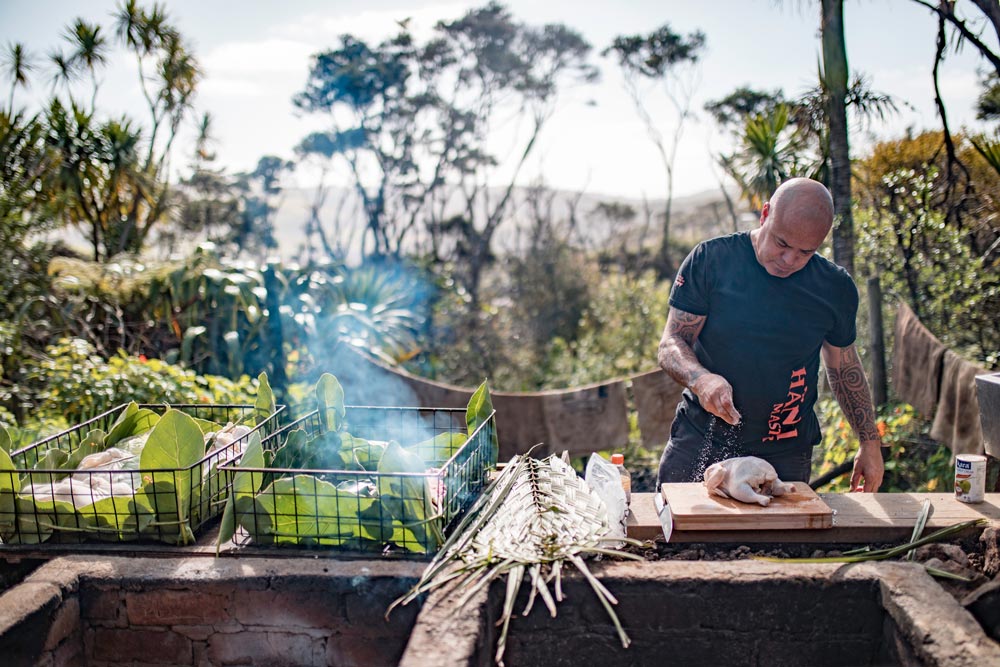
For Spraggon, that knowledge has been passed through his family. His mother ran their wharekai and a catering business. His father taught him hāngī, having learned from Spraggon’s maternal grandfather and earlier generations. Some of the stones Spraggon cooks with have been in his family for generations and have fed thousands.
“Those stones carry our whakapapa,” he says. “When I cook with them, I think about my grandfather and the people who used them to feed our whānau before me.”
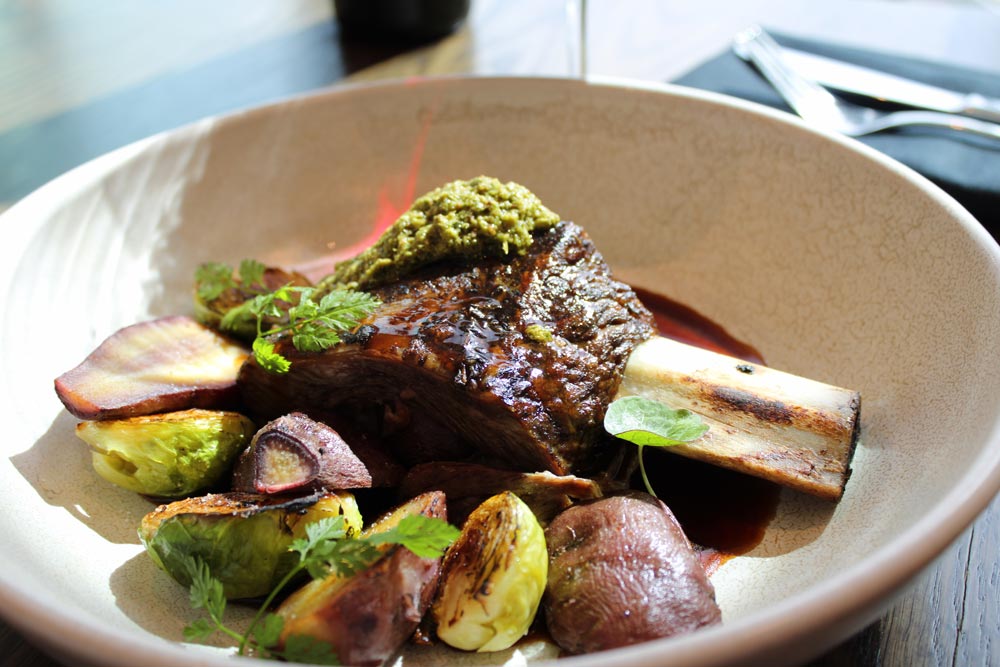
That family history is tangible in Te Kaahu’s hāngī short rib. Slow-cooked over heated stones beneath the earth, it is served with charcoal butter kūmara, watercress chimichurri, Brussels sprouts and braising juices. The method brings a smoky depth to the meat, while the accompaniments add freshness and richness. Hāngī-cooked potatoes and chicken ballotine with hāngī stuffing carry the technique across the menu.
Executive Chef Sav Gounder sees the collaboration as a chance to give distinctive local ingredients and methods a prominent place in the restaurant. “Part of our focus is to showcase New Zealand cuisine and ingredients you don’t find anywhere else,” he says. “We want to bring the hāngī flavour through while showing how it works with the other ingredients on the plate.”
The menu’s pork boil-up is a direct expression of Māori home cooking: pork broth, pork shoulder, kūmara, watercress and kawakawa doughboys. Kawakawa brings a peppery warmth to the dumplings, while the broth makes the dish generous and comforting. It draws on the flavours of the wharekai and marae kitchen, served in a restaurant setting.
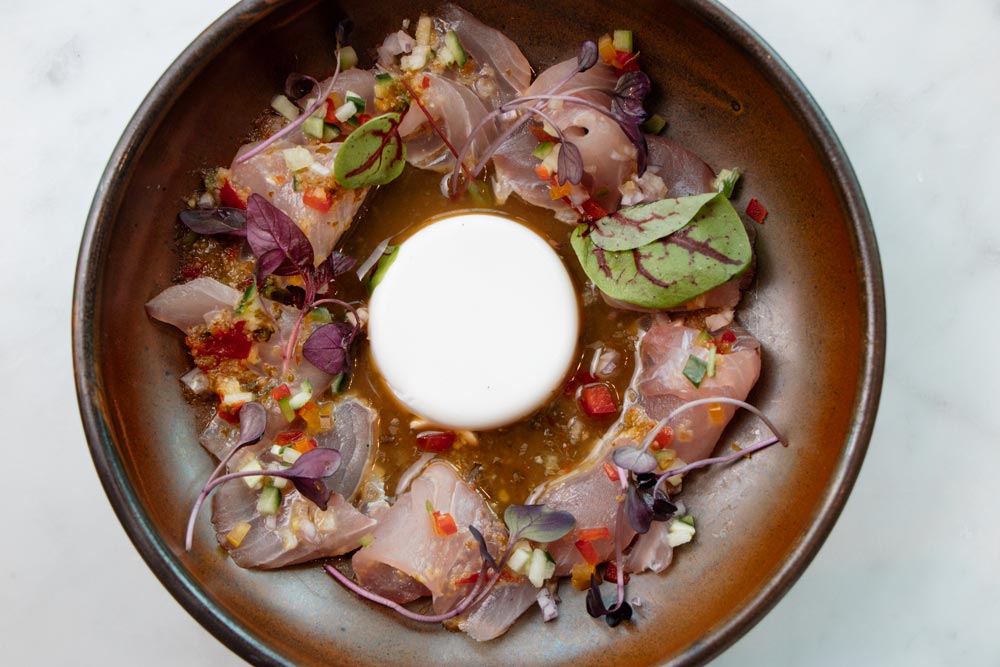
Other dishes bring the land and sea into view. Te Kaahu’s signature ika mata pairs dayboat-caught fish with coconut panna cotta, salted cucumber, capsicum chilli salsa and citrus dressing. Creamed pāua with fried bread and crispy leek gives a prized taonga of the coast a simple, rich treatment. These sit alongside a wider menu of locally sourced ingredients, including oysters, Clevedon mozzarella, coastal lamb and New Zealand beef.
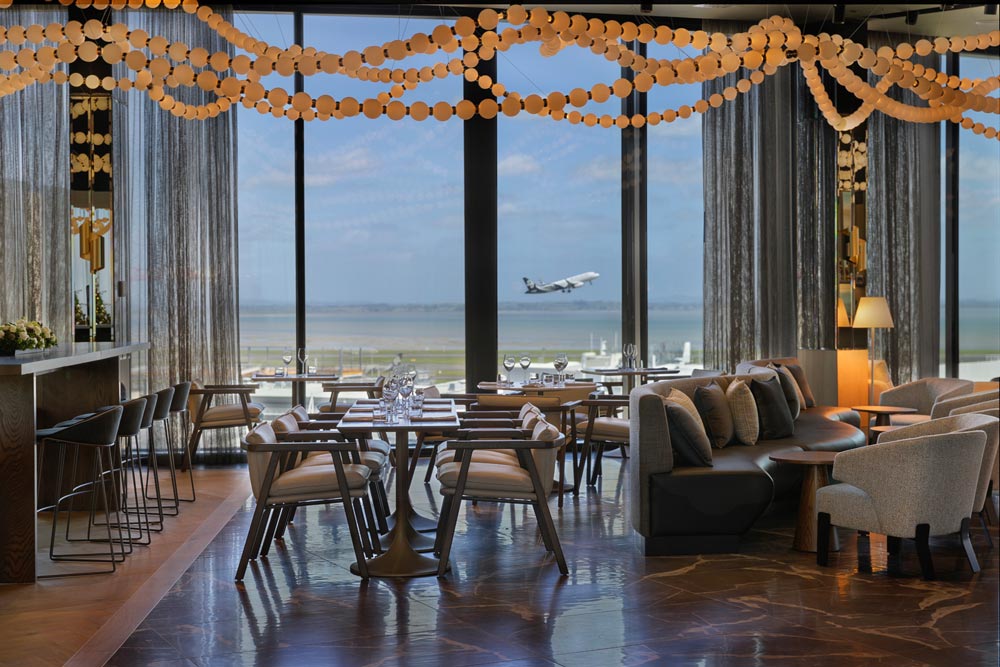
For Gounder, combining Māori techniques with other influences can help define a cuisine that belongs to Aotearoa. “We want to be distinctive and have our own cuisine, something that sets us apart from the rest of the world,” he says. The hāngī’s earthy, smoky flavours offer one starting point. “We can use the technique and bring in other flavours too. It gives us room to try different ingredients and ways of cooking while keeping those local flavours in focus.”
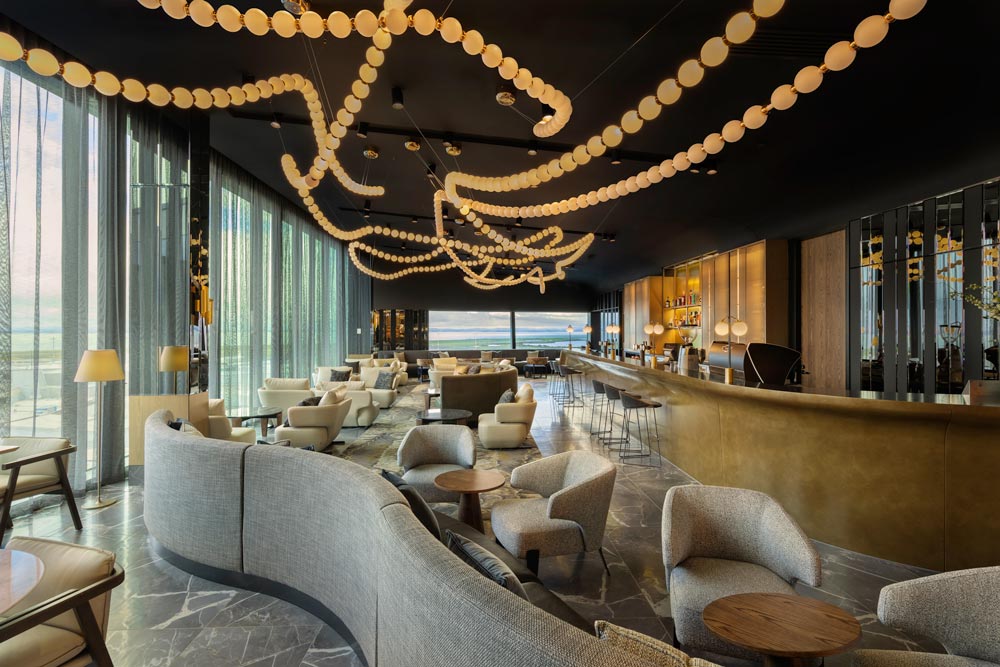
This is particularly relevant at an airport restaurant, where many guests are international travellers passing through Auckland for a night. Gounder says most are visiting from overseas, making Te Kaahu an early introduction to the country’s food. “It’s a great opportunity to showcase what we have as New Zealand cuisine and give people a taste at the start of their journey.”
For Spraggon, taking hāngī abroad and bringing it to a restaurant table are connected efforts: both create opportunities for people to encounter Māori food and understand the traditions behind it. “I want our own people to stay connected with the art of real hāngī, and for visitors to experience what makes it special.”