Beyond Sauvignon Blanc: Marlborough’s Other Great Love Affair
Marlborough might have conquered the world with Sauvignon Blanc, but tucked away in the Wairau Valley, something rather magnificent has been happening with Chardonnay.
If you mention Marlborough to anyone with even a passing interest in wine, they’ll almost certainly say Sauvignon Blanc. And fair enough. It’s the wine that put New Zealand on the international map, won us countless awards and convinced the rest of the world that we were capable of doing rather more with grapes than turning them into raisins.
But there is another side to Marlborough. One that has been quietly developing for more than four decades, without making nearly as much noise about itself.
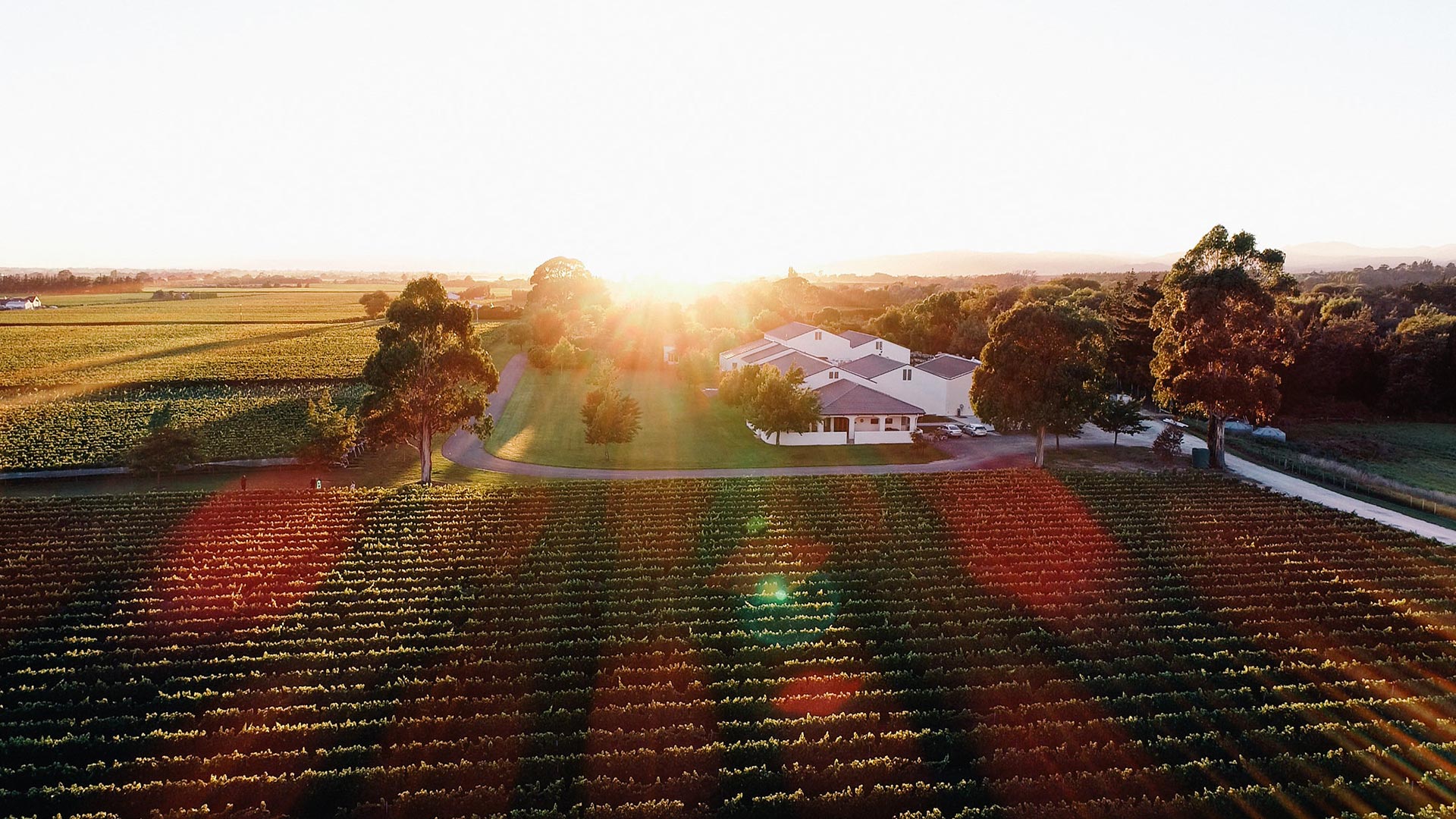
Established in 1980 by Mike and Robyn Tiller, Isabel Estate is one of the region’s pioneering vineyards. Located in the Wairau Valley near Renwick, it has vines that have been producing fruit since before many of today’s winemakers were born. And rather than letting these venerable old plants retire gracefully, Isabel has been putting them to very good use.
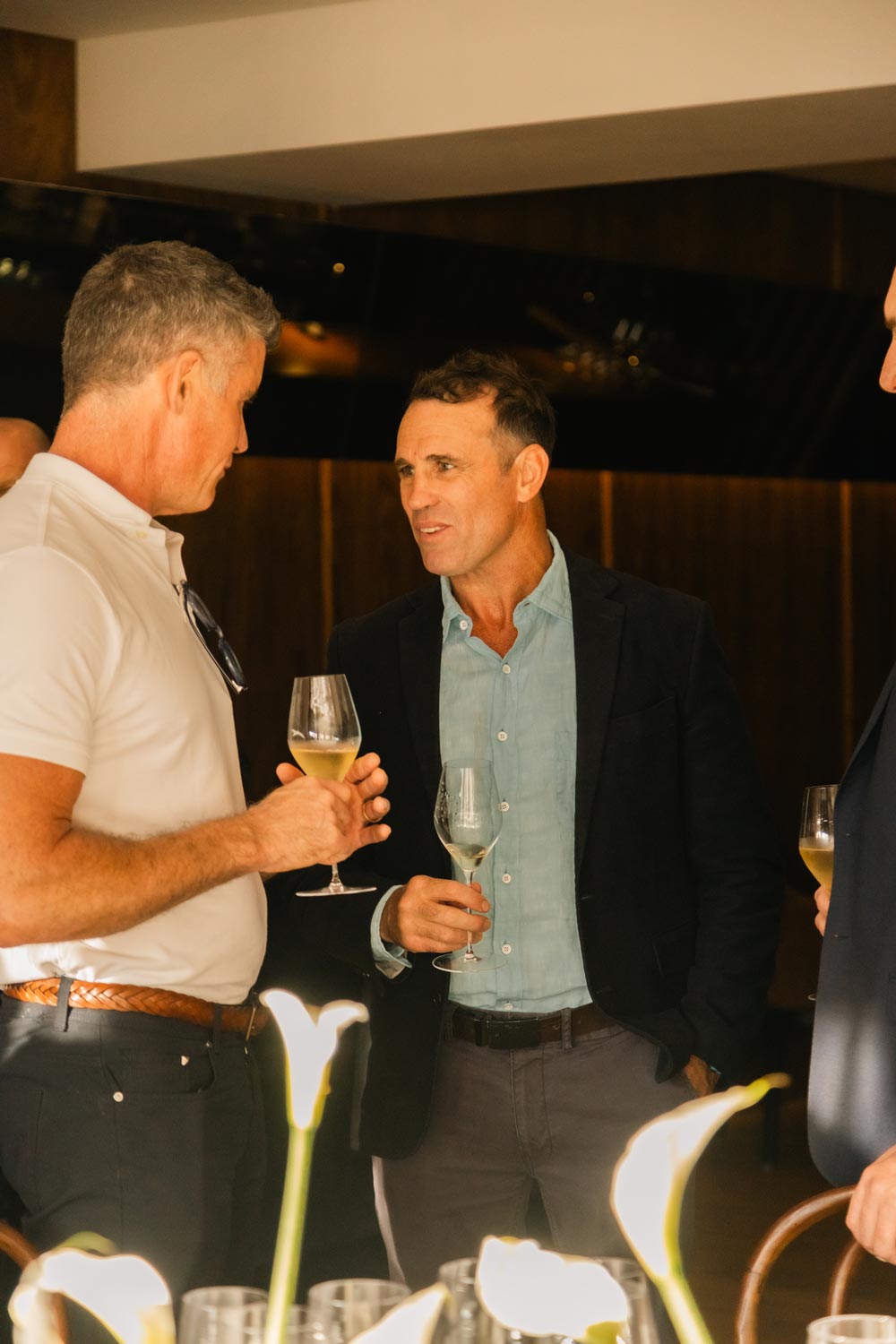
At a recent dinner at RETURN in Ponsonby, M2 wine reviewer Greg Sinclair had the enviable task of working his way through a few of the estate’s finest Chardonnays, accompanied by fish and venison. A pairing that might sound like something of a challenge for a white wine. But as it turns out, these Chardonnays were more than capable of handling both, combining the freshness needed for seafood with enough depth and texture to stand up to the richer game.
A good deal of this comes down to the Mendoza clone of Chardonnay, known rather charmingly as “hen and chicken” because its bunches contain berries of noticeably different sizes. The smaller berries have a higher skin-to-juice ratio, concentrating flavour and acidity. It may not sound particularly romantic, but the results are rather spectacular.
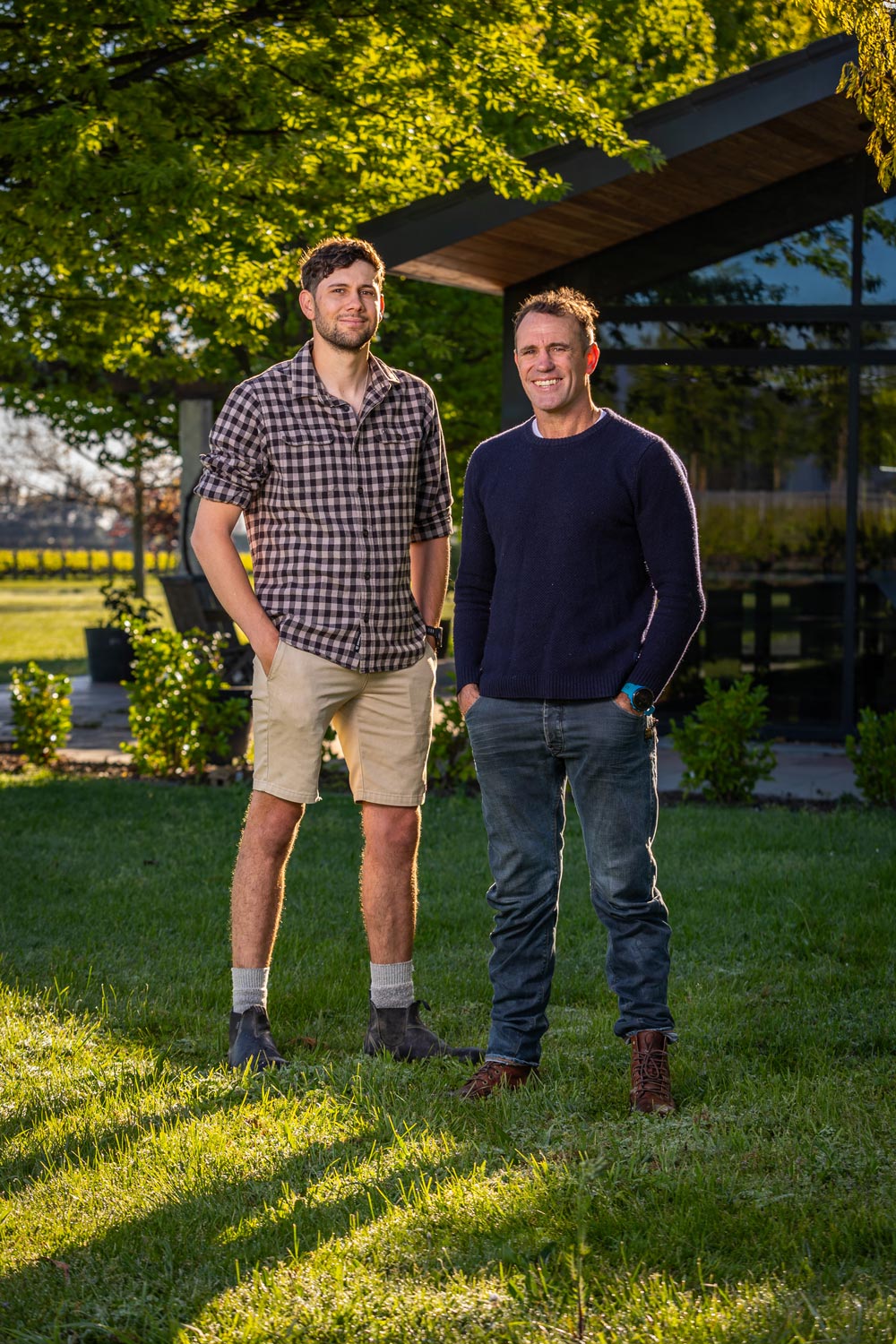
Overseeing all of this is Chief Winemaker Jeremy McKenzie, who was named Winemaker of the Year at the 2022 National Wine Awards of Aotearoa. McKenzie is a firm believer that great wine starts in the vineyard, with winemaking there to bring out what’s already present rather than disguise it.
“Marlborough has an extraordinary reputation for Sauvignon Blanc, but that is only part of what this region can do. Chardonnay gives us another way to show the character of our site, the quality of the fruit and the detail we can build through winemaking.”
And the wines make a persuasive case.
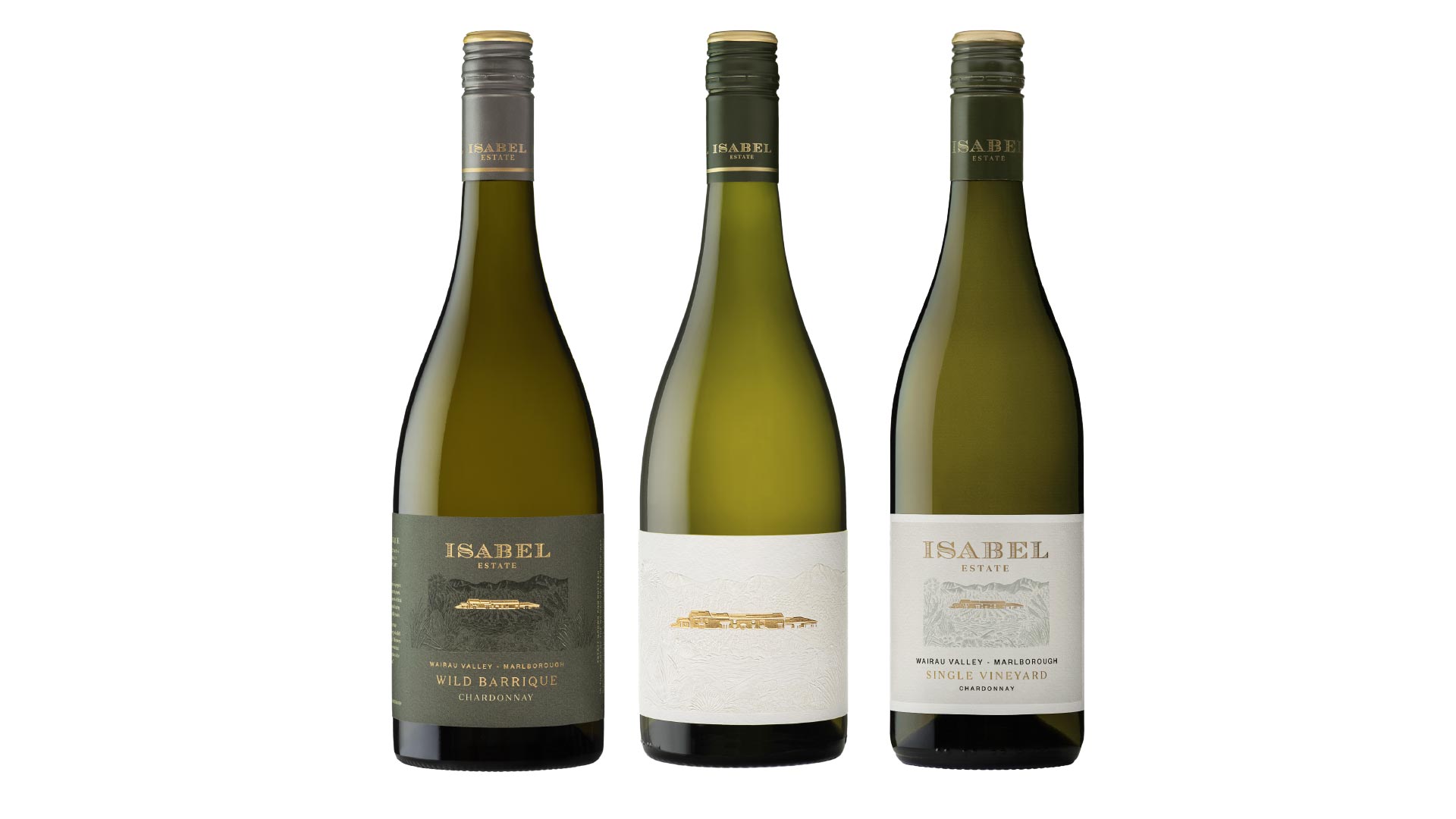
The Wild Barrique Chardonnay 2025 ($41.99) is the sort of wine that makes you reconsider what forty-odd dollars can buy. Greg found smoky flint, toasted oak, white peach and citrus blossom, wrapped in a creamy, beautifully textured palate. There’s richness, certainly, but a fine thread of acidity keeps everything in order. It’s generous without being excessive, sophisticated without trying too hard, and quite possibly the kind of Chardonnay that could convert someone who claims not to like Chardonnay.
Then there’s the Aratoro Chardonnay 2024 ($119.99). This is where things get serious. Made from vines more than 30 years old, Aratoro is Isabel Estate’s flagship expression, and it doesn’t disappoint. It features layers of nectarine, white peach, Meyer lemon and saline lime, with a distinctive wet-riverstone minerality and precise, chalky acidity. It’s a wine with real presence, but also finesse.
For those not quite ready to venture into three-figure Chardonnay territory, the Single Vineyard Chardonnay 2025 ($28.99) offers an inviting introduction to Isabel Estate’s approach, with the same emphasis on fruit quality, complexity and careful winemaking.
And there’s something reassuring about the fact that, despite having more than 40 years of history behind it, Isabel Estate is still looking forward. Working alongside McKenzie is Nick Lamain, recently named the 2026 Tonnellerie de Mercurey New Zealand Young Winemaker of the Year. Evidently, the next generation is in very capable hands.
isabelestate.co.nz