

Ryan Gosling Is The Everything Guy
Ryan Gosling walks into a room, or onto a screen, and the temperature instantly changes. Women feel it immediately. Men don’t seem to mind either. Some even smile. That’s almost impossible to pull off and almost nobody else can do it. What is that thing exactly? Turns out, it’s everything.
From Mouse to Man
To truly understand Ryan Gosling, you really need to look at Justin Timberlake as well, as their careers, appeal and fandom definitely has overlap. If that sounds crazy you have to remember they both started out together on the set of the Mickey Mouse Club back in 1993 – along with Britney Spears and Christina Aguilera too. And the performing bug bit early. As Gosling once recalled, “I always wanted to entertain. When I was six, a scrawny, scrawny kid, I’d get in my red speedo and do muscle moves. I actually thought I was muscular. I didn’t know everyone was laughing at me.”
JT then hit the ground running to become a star alongside his boyband mates in N-SYNC. He subsequently outgrew them to become an even bigger superstar in his solo career which spilled over into comedy with his duets with Andy Samburg on SNL. JT then became the fulcrum for an insanely popular movie of the time The Social Network (2010). With his looks, voice, dancing prowess, music chops, style and all round ‘cool’ Timberlake was the hottest male star on the planet – and the girls in particular really knew it. I remember the office girls working themselves into a frenzy the day before the JT concert here in Auckland. It was like predators psyching themselves up for the hunt!
But that was JT’s peak, he began to fade slowly from around 2011 on. Yet ironically, as JT began to wane, his old Mickey mate began his unstoppable rise. And, incredibly Ryan was moving into pretty much the exact same territory of female attention that Justin was vacating. It was a like-for-like replacement. Sure Ryan didn’t have JT’s singing and dancing skills but his acting ability, sense of humour and laidback cool were more than capable of making up for it.
A Strong Entry In The Notebook
Up until 2011 Ryan Gosling had been flailing about somewhat. Sure, his turn in 2004’s The Notebook gave him the bedroom wall demographic and a burgeoning reputation as a romantic lead – but then he blew it. His next several years were spent taking on some pretty weird roles for a heart-throb: a Jewish neo-Nazi in The Believer, a drug-addicted schoolteacher in Half Nelson and a man in a delusional relationship with a sex doll in Lars and the Real Girl… Say what? Okay, so the serious-actor crowd were paying attention but as for everyone else? Hm, no thanks.
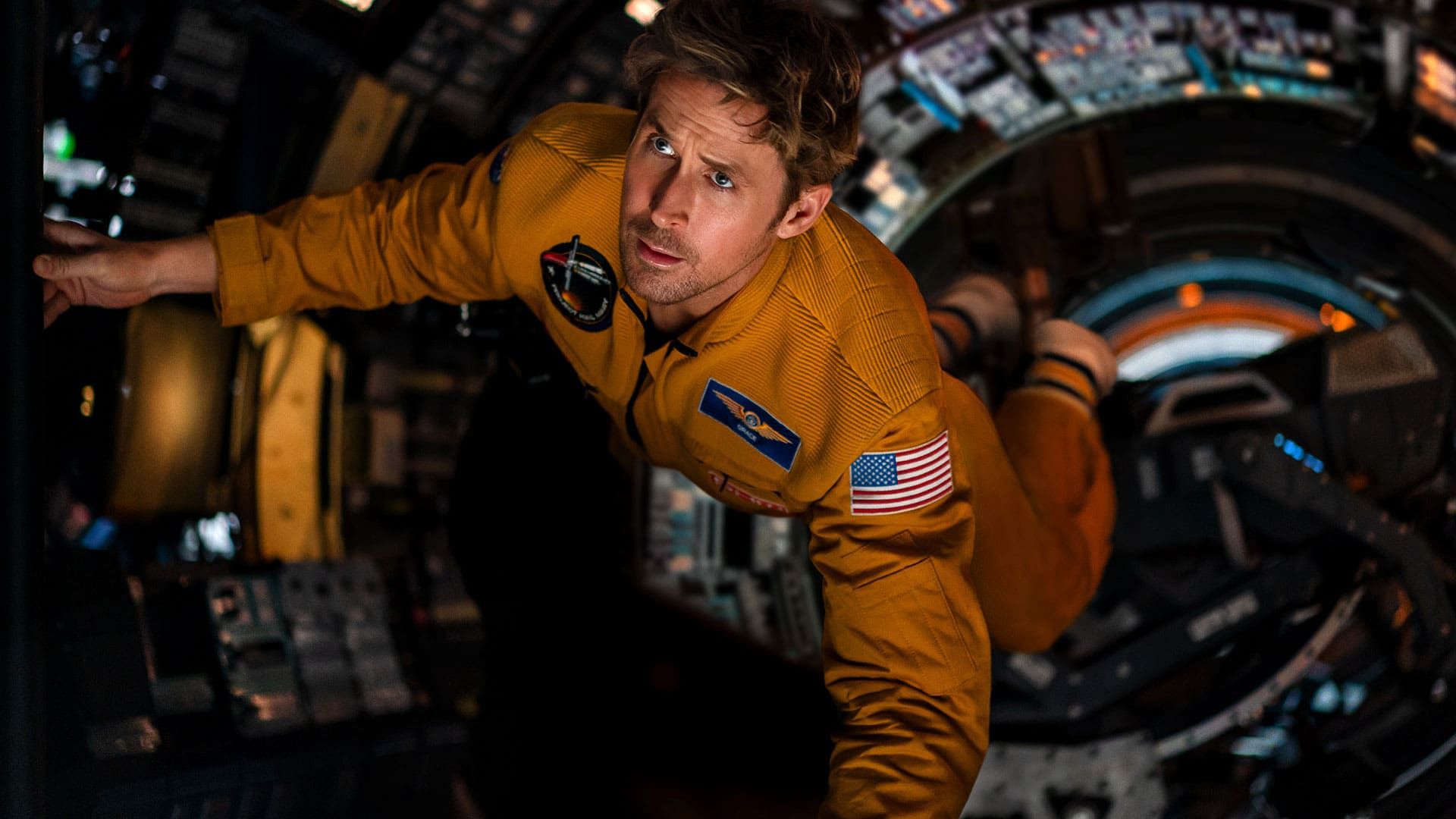
Then Ryan gained nearly 30 kilos for the Lovely Bones, a Peter Jackson movie, and subsequently got fired before there was even film in the camera. Ryan later described the experience as a good lesson in not letting your ego get involved. Still, he took a bit of a pounding so he dropped out of the industry for a while to reflect. His self-awareness about overexposure was already characteristically wry. As he told IMDB around this time, “I try not to make too many movies. I get sick of myself, so I can imagine how everyone else feels.” Leaving the Mickey Mouse Club was starting to look like a really bad career move.
Breakthrough, Breakthrough, Breakthrough
Most famous actors have a breakthrough role where the combination of skill, looks and perfect casting catapults them from ordinary to extraordinary: Samuel L. Jackson in Pulp Fiction, Liam Neeson in Schindler’s List, Bryan Cranston in Breaking Bad – they were all jobbing actors, even semi well-known ones, then that one role propelled them out from the pack and into the stratosphere.
That’s one breakthrough role – not three. Yet Ryan Gosling wasn’t satisfied with just busting out once, in 2011 he did it three times – simultaneously. And, staggeringly, as three completely different people in wildly different movie styles.
In Crazy, Stupid, Love he played a smooth-talking ladies’ man opposite Steve Carell and Emma Stone, and critics who’d never thought of him as funny started reaching for George Clooney comparisons. In The Ides of March he did buttoned-up political drama alongside the critics’ darling Philip Seymour Hoffman. And in Drive he put on a scorpion jacket, said virtually nothing for two hours and became a Clint Eastwood-level icon.
Drive to the Top
Gosling’s performance in Drive was the one that rocked everyone’s world. Not a big film, no franchise machinery, no Marvel budget, just some obscure Danish director and a stolen car. Like Clint, Gosling’s character doesn’t even have a name. He’s just some Hollywood stunt driver who moonlights as a getaway driver for criminals. But endearingly, he also watches a woman across a corridor the way someone watches something they know is going to cost them everything – completely still, completely present, not looking away. One critic at the time puzzled over ‘the ongoing mystery of how he manages to have so much impact with so little apparent effort.’ Roger Ebert even compared him to the legendary Steve McQueen. Gosling, typically, could explain it in a single sentence. He told Indie London around the time of the film’s release, “I feel there is something nice about not talking. Like you can say more by actually saying less.”

Another even more surprising quirk of this movie was discovered with a quick look around you during the cinema screening; both the Notebook girls and the Drive men were sitting beside you at the same time. That almost never happens, but it had come about as Ryan Gosling had achieved an almost impossible feat – portraying a physically dangerous psychopath who was also capable of giving his woman the complete, undivided, non-judgemental attention she craved. As though George Clooney were portraying Travis Bickle – a seemingly insane idea until Ryan somehow pulled it off.
Always Getting the Girl – Without Rarking Up the Boys
There’s nothing men can tolerate less than those perfect-faced pretty boys women go nuts for: Zac Efron, Orlando Bloom, early Brad Pitt, you know the type. The kind of dude who knows the strength of his power and just sits back to let it do his work for him. Everything about that is wrong in Guy World.
The one good thing about Ryan messing up his career so badly during his twenties was that his face was no longer absurdly pretty by the time he got his stuff together. Thirty is old enough to look like you’ve actually been somewhere, which is critical in film stars for men. Johnny Depp was a complete air swing for guys when aged 23 on 21 Jump Street but became a sensation by the time he first busted out Captain Jack Sparrow at close to 40.
Gosling doesn’t trigger that response. He’s the rare thing; the guy who gets the girl without making other men feel like they’ve already lost. And the reason isn’t mysterious – he’s spoken about it himself. “If I have any particular appeal to women, maybe it’s because I listen more than other guys do and appreciate how they think and feel about things,” he once reflected. His secret is he splits his screen time equally; charm, attention, emotional availability for women – nonchalance and wry disassociation for the men. Like he’d walked into two different rooms the same way and somehow everyone felt like he’d come specifically for them. It’s genius yet Gosling makes it look easy and like he’s not even trying.
His female appeal is written clearly across his post Drive career. Blue Valentine is a pretty emotionally devastating portrait of a marriage collapsing and Gosling goes to every ugly corner of it: tenderness and failure simultaneously, yet neither cancelling the other out. La La Land asks him to be charming, romantic, and then to lose the girl anyway and carry on without self-pity. Again and again he plays men who are fully present with women, without performing attentiveness but actually delivering it. And women just can’t get enough of it.
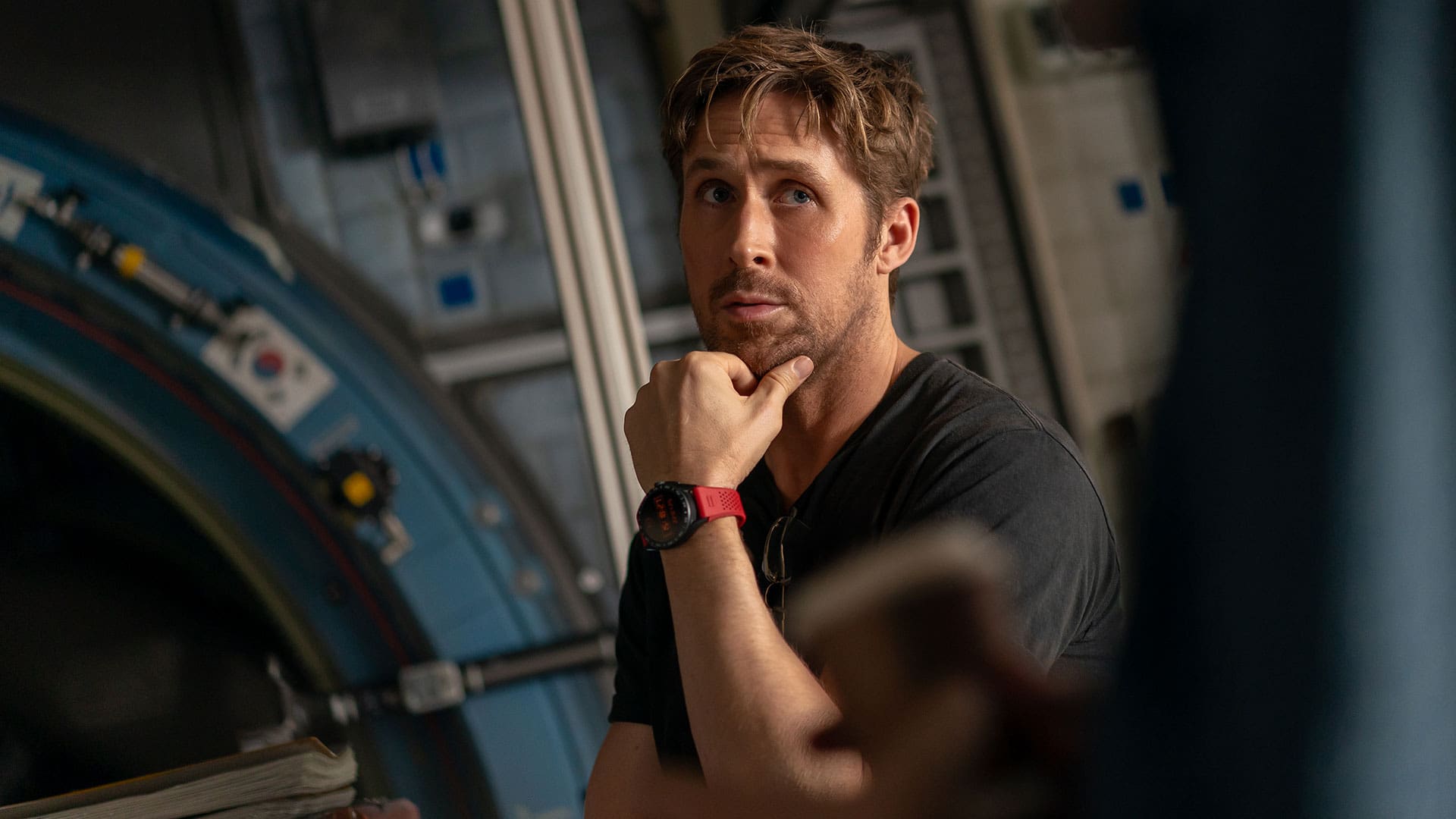
His male appeal isn’t quite so simple yet is just as effective: in Nice Guys, Holland March is incompetent, drunk, frequently wrong, and somehow still the guy you’re cheering for because Gosling plays the failure straight. He’s genuinely useless, which is completely watchable. K in Blade Runner 2049 goes even further, a guy who discovers his entire sense of self is a made-up lie and just… keeps on going. Does the job. No Pacino speeches, no Penn emotions, just a soldier-like duty. Whether we like it or not, we men love stoicism like that. Forget the capes and external undies, that’s what real heroism looks like.
And then there was Ken. Which should have been a trapdoor as the character is an inherent joke, a vacuous accessory to the very icon of cynical American consumerism. Yet not only did Ryan dodge the poison pit, he transformed what could’ve been a smug lecture on the patriarchy into a thigh-slapping ride for both boys and girls alike. He did it by choosing to play a Ken who wanted to matter to Barbie, whose entire identity was borrowed and who really felt pain when that identity was taken away. Gosling admitted to The Scotsman that he nearly talked himself out of it: “I did doubt my Kenergy in the beginning. I thought this was such a perfect tonal symphony that I didn’t want to be the one instrument that was out of tune. I just decided I was going to Ken as hard as I can.” That instinct – to commit completely to the joke rather than wink at it – is vintage Gosling. As he explained to Suicide Girls magazine way back in 2004, “All my characters are me. I’m not a good enough actor to become a character. I hear about actors who become the role and I think ‘I wonder what that feels like.’ Because for me, they’re all me.” Men laughed at Ken and then – to their shock – felt sorry for him too. If anyone else had played Ken they would have winked at the camera and the whole edifice would’ve collapsed. Barbie would’ve been an insufferable flop instead of what should’ve won the Best Picture Oscar instead of the ponderous and pretentious Oppenheimer.
Ryan Gosling is the absolute master of when to push and when to hold back. His instincts are second-to-none. The only question no one ever asks is what it costs to make effortlessness look this easy. When you become a series of characters everyone projects into: Holland, Ken, a silent psychotic getaway driver, you stop belonging to yourself. It’s a bit like what Peter Sellers used to say; he took on so many memorable characters, he forgot who he was himself. Yet Ryan doesn’t complain about that. Which is either very zen or the longest con in Hollywood.
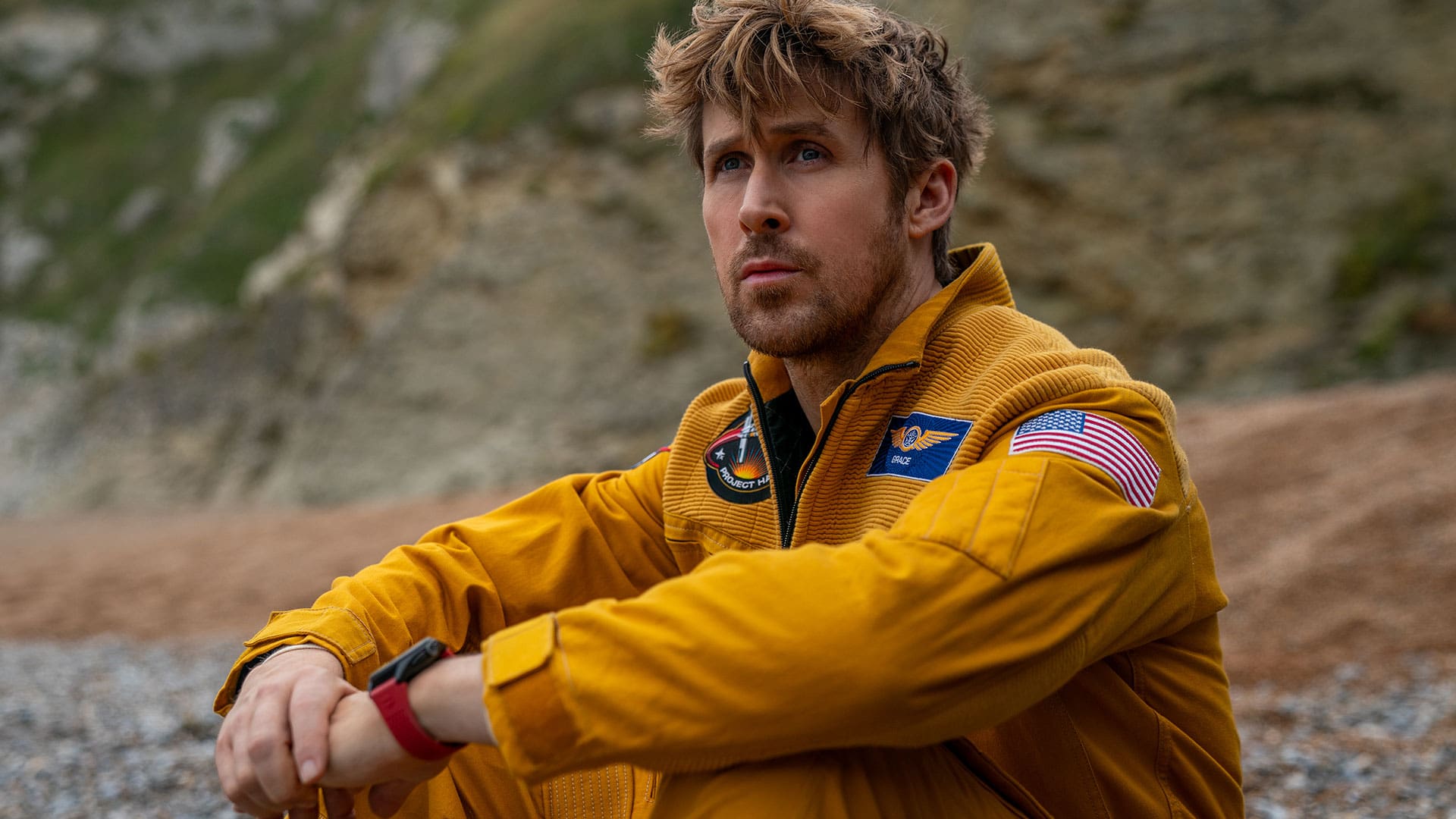
Sharing the Fame
In this social media era celebrities who can produce bite-sized pieces of content ideal for unsolicited sharing amongst fans are the ones who are always in work. Ryan Reynolds, Bill Hader and Emma Stone are superb practitioners here but the undisputed king is Ryan Gosling. Simply because he doesn’t just have one arrow in his quiver, he has a whole swathe. For a start, he is absurdly good-looking and knows that stillness and a knowing smile work far harder than any risky Robin Williams-style fast talking and contrived big personality. He also is genuinely funny and so many of his replies to chatshow host questions are memorable if only for their restraint. Plus, he has a love for the absurd so will make obscure comments or relate weird stories most others would park on the shelf as too chancy for any public airing. But, best of all, his ‘corpsing’ into uncontrollable laughter comes across as charming and real rather than rehearsed or fake a la Jimmy Fallon. And all delivered from a base of complete relaxed calm as though he has absolutely no concern at all for what could possibly happen next. Though he obviously knows one wrong public step or unfunny answer can ultimately harm or destroy his career – as has happened to many others like Roseanne Barr and even the great Tom Cruise – Ryan shows no sign at all of any of that weighing on his mind. Instead, he just sits almost passively waiting for the next question in full confidence that he’ll be able to answer it in a way that’s guaranteed to add another percentile or two to his legend.
It’s this kind of chilled persona that has made him so meme-worthy. Use any screenshot of his calm face, add whatever headline you like – and it works. The ‘Hey Girl’ series of memes are a classic case of this where girls applied whatever line they wanted him to say to them and Ryan’s face implied tacit approval; ‘Sure, I can go along with that.’ As he told Digital Spy, “I’m happy the world laughed.” Being so meme-friendly made him the perfect choice for Ken in Barbie as who else is so at peace with being a cultural object? Ryan Gosling has so little obvious ego that he can easily accept others putting words in his mouth. Would any other actor, like Tom Cruise, Matt Damon or The Rock be so tolerant of their brand being adapted in such a way? Unlikely. Legal letters demanding immediate taking down of posts would likely follow.
Project Hail Mary
The ultimate test for any actor is to carry a movie by themselves. Tom Hanks has done it before in Cast Away, Sandra Bullock in Gravity, Matt Damon in The Martian, Sam Rockwell in Moon. It’s a different kind of challenge that not many can pull off, not because they’re inferior actors but because it requires charm as well as acting ability. So, it’s all very well putting in blockbuster performances a la Robert De Niro or Marlon Brando where you make a name for yourself by outshining the rest of the cast. But if you are largely alone for an entire movie, you don’t have anyone else to bounce off/react to and a one-note samba of intense emotion like Jake LaMotta or Terry Malloy isn’t going to cut it over an hour and a half. The audience needs to see variety over that period of time in order to keep their attention – and to witness a major change in character over that time. In short, the actor has to charm the audience into spending the time solely with the actor and his/her character.
On the surface, Ryan Gosling is not the sort of actor whom anyone would expect to be able to carry a movie by himself. Sure, he has charm to spare but his normal schtick is reactive: winning women over with his unflagging attention, goofing off amongst serious company and remaining silent and intense whilst others are playing the fierce emotions card.
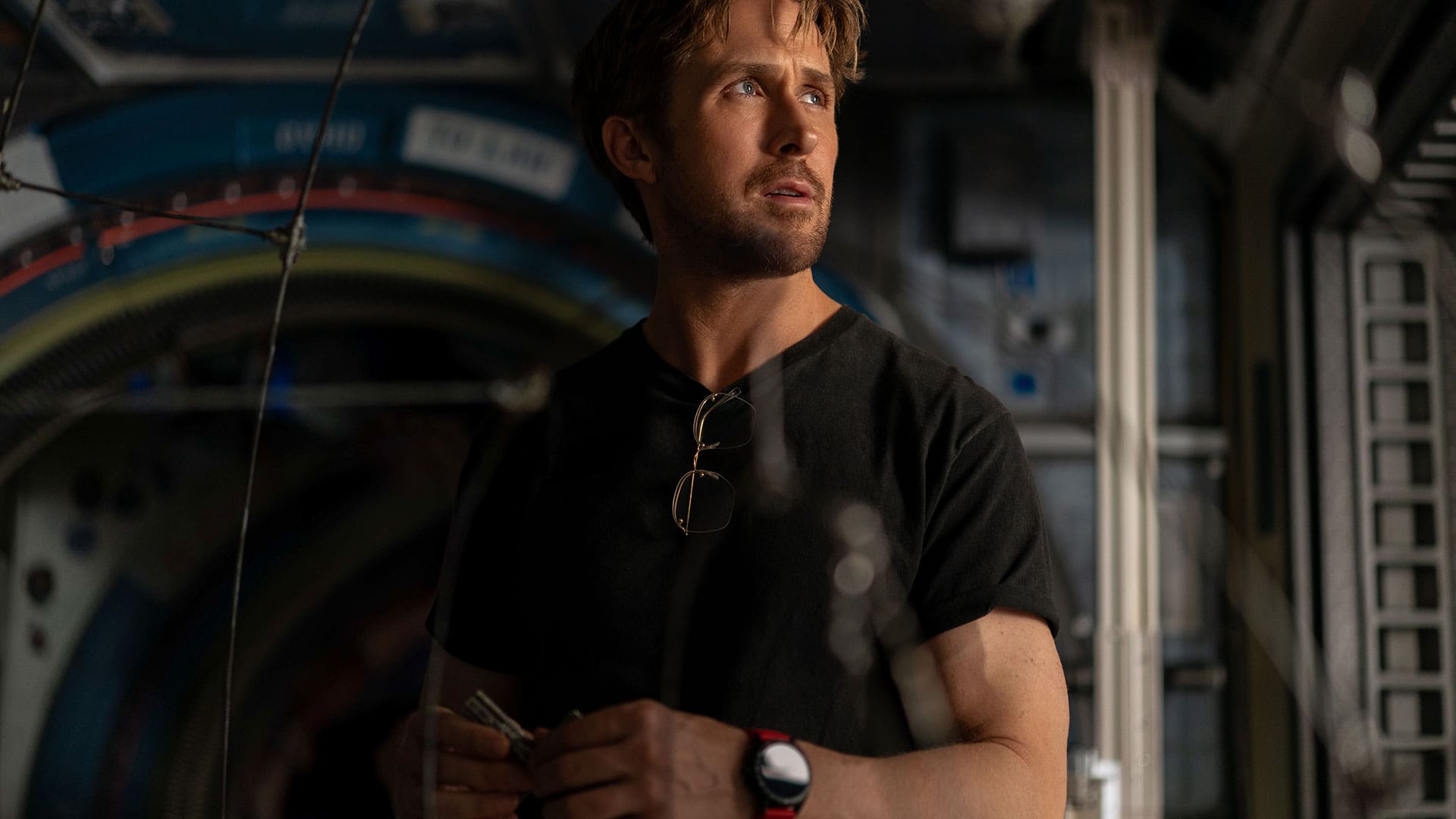
Yet that is exactly what he managed to do with this year’s current sensation Project Hail Mary. Rating 94% amongst critics and 96% with fans on Rotten Tomatoes, Gosling’s performance as school science teacher/reluctant astronaut Ryland Grace is yet another career peak. Sure, he shared a lot of screentime with ‘Rocky’, a bizarrely old school puppet-like alien, lots of flashbacks and a swathe of scientists and security, but they only served to highlight his loneliness in space. The irony being that Gosling himself, as he made abundantly clear to Yahoo Entertainment on the press tour, would never go near the real thing: “No, never. God, no. I like to pretend to go to space.”
Which, when you think about it, Project Hail Mary is Ryan Gosling’s entire career in a nutshell: ‘Ryland Grace’ wakes up alone with no memory of who he is and has to reconstruct his identity entirely through what he does rather than what he declares. No speeches. No breakdown montage. Just a man figuring out his value by showing up and being useful. Even if no one else really seems to care. Drive. K. Ken. Same trick, different costume.
There aren’t many actors who’ve never burned your trust. Gosling is one of them. Since Drive the deal has been consistent: you always get Gosling, which means you’ll always get something slightly unexpected and he never once makes you feel like you were sold something. The man who figured out that stillness is its own kind of power, that the less you demand the more people lean in – that’s still the deal. And across all the movies, memes and decades it remains a great one.
He’s still shifting something when he walks in. Especially when he’s not even trying.