
Where Luxury Sedans Go Next
The eighth-generation Lexus ES is here, and it means business in a quiet, refined kind of way. Lexus has given one of its best-known sedans a proper rethink: new proportions, a more connected cabin and, for the first time, a fully electric version alongside two hybrids. I got behind the wheel of the entry-level ES 300h Premium for a very important diplomatic mission. I mean fish and chips.
With petrol prices currently high enough to give the healthiest of us heart palpitations, I was very happy to hang up the keys to my daily driver and take the all-new ES 300h Premium. On a run from the CBD out west and back again, I couldn’t get the fuel needle to budge. It wasn’t really a formal fuel test, but a good first impression. The Premium is the entry point to the range, and it still feels like, well, a premium offering. The heated steering wheel in the car I drove was an added bonus, along with the hidden temperature controls that light up when you wave your hand over them, the panoramic moonroof and the plush synthetic leather upholstery.
The new range comprises the ES 300h Premium and ES 300h Limited hybrids, alongside the all-electric ES 500e Dynamic. The Premium is priced at $96,900, the Limited at $104,900 and the 500e Dynamic at $109,900, all plus on-road costs. That puts the electric flagship just $5,000 above the top hybrid, so the choice between hybrid and full electric sits within the same ES family.
The two ES 300h grades share Lexus’ sixth-generation hybrid system. The Limited builds on the Premium with more comfort and cabin equipment, including a Mark Levinson premium sound system, ventilated seats and more ambient lighting choices. It gives buyers a clear step-up option, while the Premium I drove already has the sort of thoughtful touches I expect from a luxury sedan.
The ES 300h pairs a 2.5-litre, four-cylinder petrol engine with its hybrid system for 144kW of total output. Lexus lists combined fuel consumption at 4.0L/100km and CO₂ emissions at 91g/km. That suits the ES’s everyday brief, letting me get on with the trip while the hybrid system does its work.
The ES 500e Dynamic is the first fully electric ES in the model’s history. It is the flagship, with the most power and the range’s most advanced technology package. Its 74.69kWh battery and DIRECT4 all-wheel-drive system deliver 252kW of total system output. Lexus estimates a range of 465km on the WLTP cycle and a 0–100km/h time of 5.5 seconds. The 500e supports AC charging at up to 22kW, and Lexus estimates around 28 minutes to charge from 10 to 80 per cent using DC fast charging.
One of the electric model’s more distinctive features is Interactive Manual Drive. Using the steering-wheel paddles, the driver can select eight virtual gears. It adds a more hands-on way to engage with an electric powertrain. I haven’t driven the 500e yet, so that is one feature I’m keen to try for myself.
The ES is also the first Lexus in New Zealand to introduce Lexus Connected Services. The Lexus Connected app lets me remotely lock or unlock the car and check its status. Connected Navigation lets me plan a route through the app or the car’s head unit. It also alerted me when I left the vehicle with the moonroof open. It was right, of course. The moonroof was open, and I was the one who had forgotten.
Setting up the app was quick. I also found the car’s embedded drive recording system, which monitors for incidents or moments worth keeping. You can manually record too, if you’re into that kind of thing. Apparently, the reviewer before me has a thing for car park ramps.
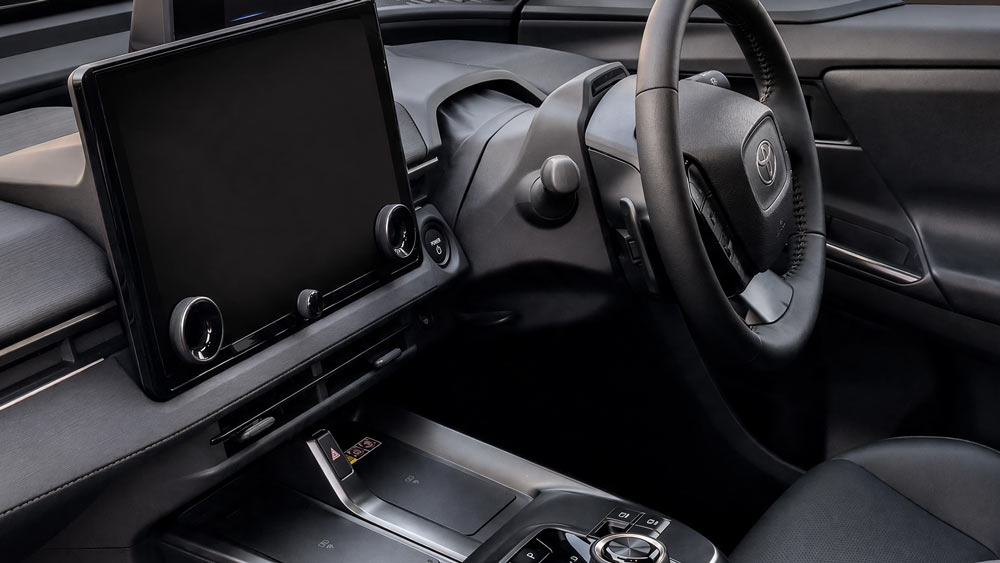
You can replay the recordings on the chunky 14-inch touchscreen in the middle of the dash, just above a very cool carved-metal rotary volume control. It’s the little details.
Alongside it is a 12.3-inch TFT instrument display behind the steering wheel, with a multi-information display for key vehicle information. The clean, open dashboard is paired with physical switches that sit flush and remain hidden until they light up for use.
The balance between digital information and tactile controls feels well judged. Lexus has kept physical buttons within easy reach, with the rest of the dashboard arranged around the driver. There is plenty of technology here, without it competing for attention every second.
Ambient lighting adds another layer of personalisation. In the ES 300h Limited, owners can choose from 14 lighting themes, 50 custom colours and six patterns. In the ES 500e Dynamic, the illumination is diffused through bamboo cabin trim, making the lighting part of the material itself. It is a lovely detail, bringing technology and craftsmanship together without making a fuss about either.
Safety technology is also central to the new ES. Lexus Safety System+ includes a Pre-Collision System with autonomous emergency braking that detects vehicles, motorcycles, bicycles and pedestrians. The package also includes Intersection Collision Avoidance Support, Emergency Steering Assist, Driver Monitor, Proactive Driving Assist, Front Cross Traffic Alert and Lane Departure Alert.
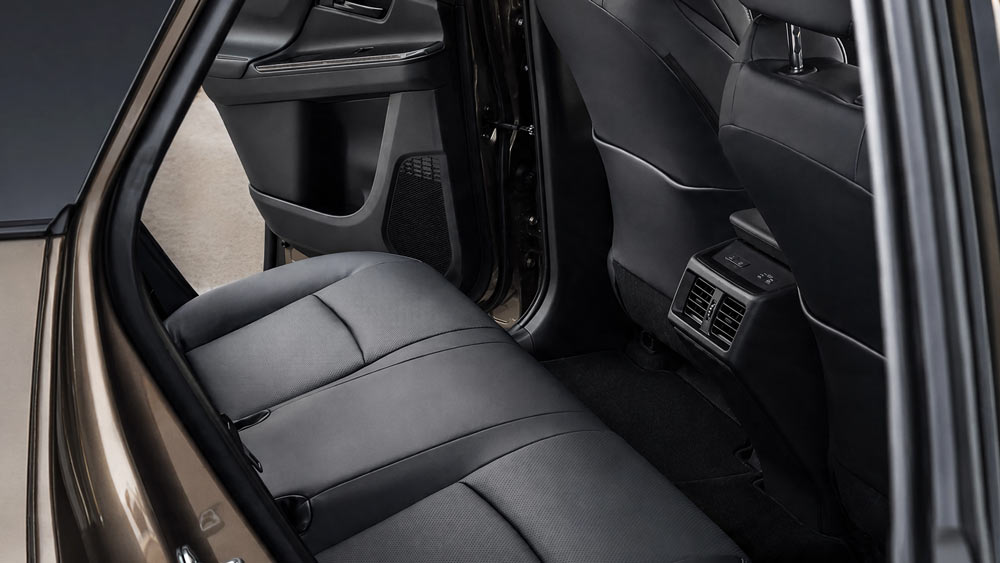
The new ES has also bulked up. It measures 5,140mm long and 1,920mm wide, making it 165mm longer and 55mm wider than its predecessor. At up to 1,560mm tall, it is up to 115mm taller too. The extra dimensions are intended to make the cabin more spacious, particularly for rear-seat passengers. We took a mini road trip out west with our 11-year-old daughter in the back. She might as well have been in a different postcode. As the journey went on, she developed the very distinct air of a chauffeur-driven diplomat on her way to an important trade mission. I mentioned this to her and she rolled her eyes at me. My case in point.
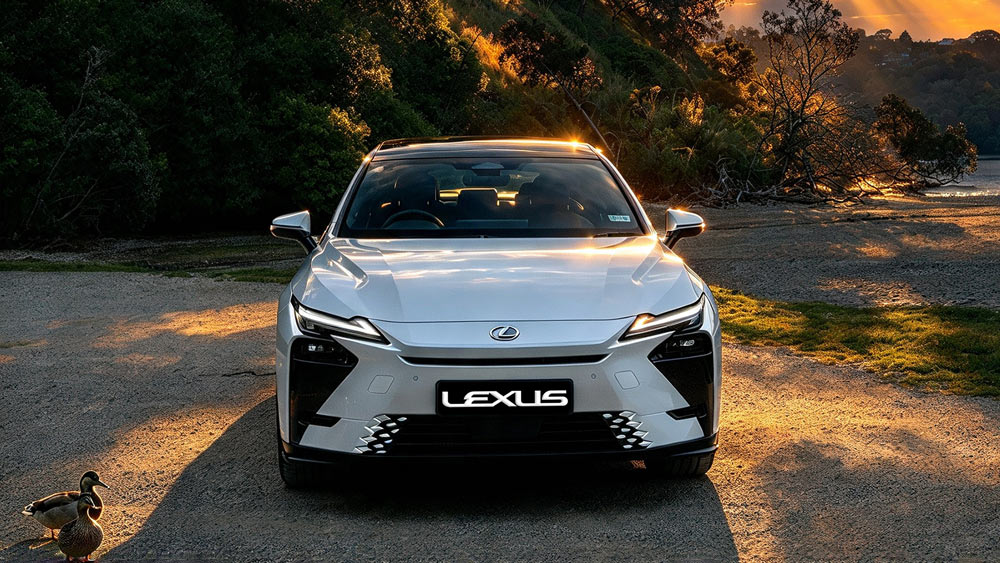
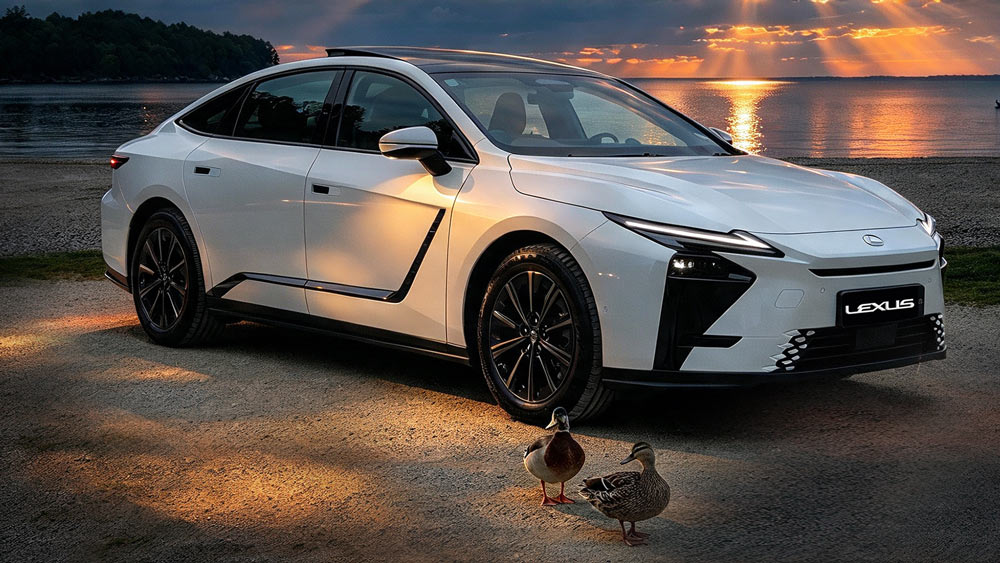
Instead of an international delegation, we had the very New Zealand tradition of fish and chips at the beach. The ES is very much a head-turner. Even the ducks seemed impressed when we rolled quietly into Laingholm.
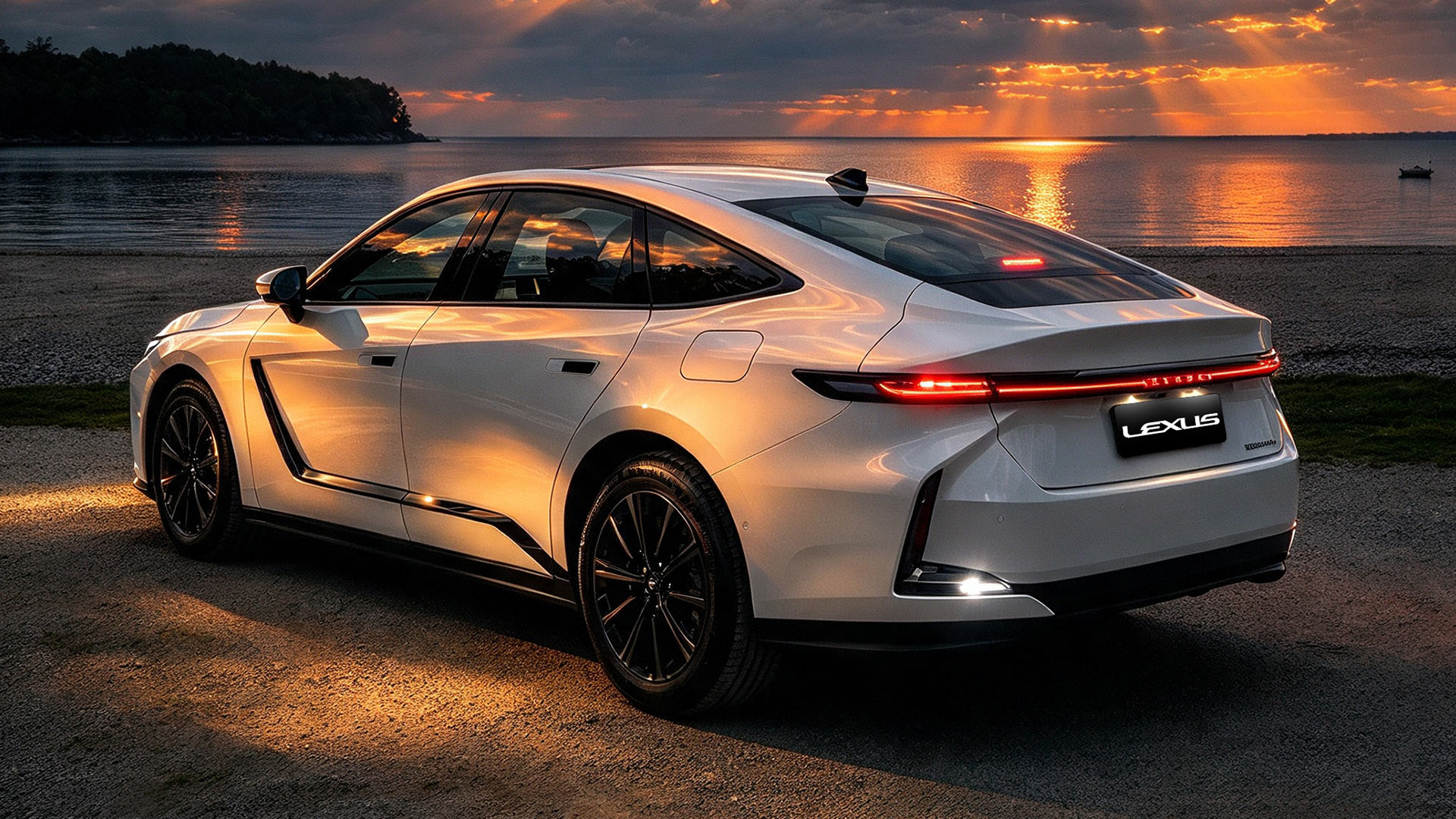
The side profile is long and fastback-like, while the taller body gives the ES a more substantial stance than its predecessor. The familiar spindle theme is still part of the design, but Lexus has carried it into the bonnet and bodywork, giving the front of the car a more sculpted look. L-shaped signature lighting gives the ES a clear identity, while aerodynamic detailing runs through the longer profile. There is a lot of shape to take in, but the overall effect is clean rather than fussy.
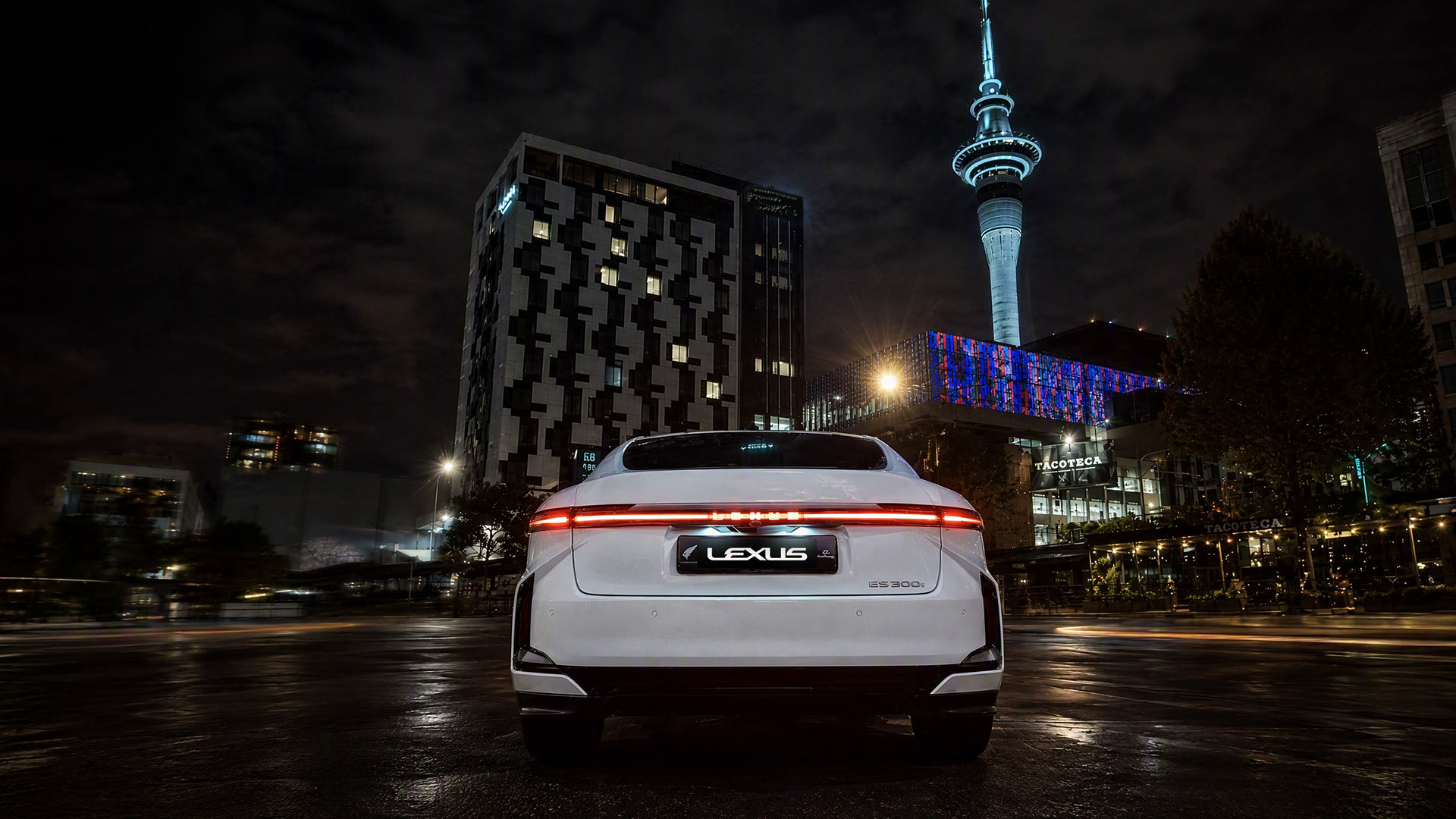
At the rear, a slim light bar incorporates the Lexus branding and adds a distinctive touch after dark. The new proportions, the lighting and the quieter detailing make this ES feel like a significant shift for the model. It definitely has more presence on the road.
The 500e will draw the headlines, but the Premium hybrid is just the ticket for any mission. Diplomatic or otherwise.